Malaysia’s LGBTQ groups tread more carefully amid recent enforcement, ministers’ rhetoric
Recent moves by the Malaysian authorities point to a more restrictive climate for LGBTQ people in the country, analysts say, and this could be due to political competition as well as the visibility of some events.
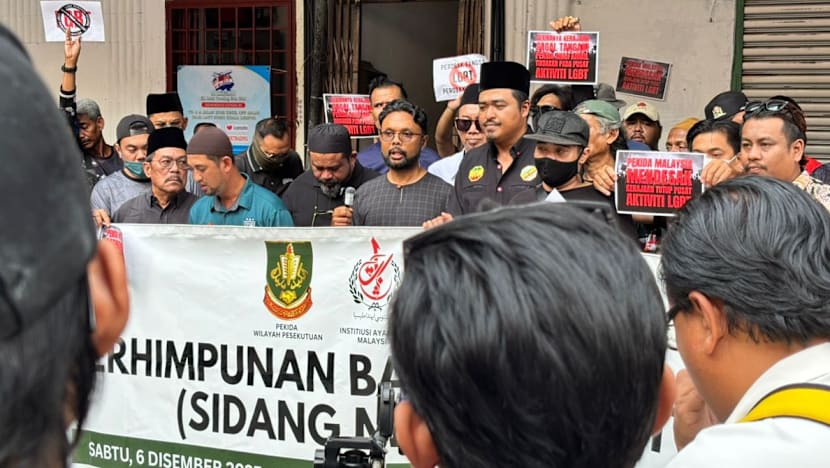
An anti-LGBT rally by Islamic non-governmental organisation PEKIDA in December 2025, outside the men's wellness centre that was raided by the police the previous month. (Photo: Facebook/Pekida Daerah Putrajaya)

This audio is generated by an AI tool.


SINGAPORE: The blocking of two same-sex dating websites; a deputy minister urging Malaysians to use the term “deviant culture” to refer to the LGBTQ (lesbian, gay, bisexual, transgender or queer) community; a high-profile police raid on a men's wellness centre.
These and other moves in recent months by Malaysian authorities have raised questions among the community about whether enforcement against LGBTQ-related activities is being stepped up.
Experts say the enforcement efforts suggest the authorities are taking a more “preventive” approach amid a competitive political landscape, while advocacy groups say they are now treading more carefully when organising and promoting events.
Some LGBTQ individuals – including those who were previously rounded up in raids – told CNA they have become more cautious about the places they go to and events they attend, while others in Malaysia said they support the government’s recent enforcement moves.
AUTHORITIES TAKE ACTION
On May 25, 51 men were arrested in four separate police raids linked to an alleged “gay party” that involved drugs at a Kuala Lumpur hotel.
The group was found to be using hotel rooms for entertainment and drug abuse, and “is believed to be involved in immoral activities”, said narcotics investigations department director Hussein Omar Khan. The case is being investigated under Malaysia’s Dangerous Drugs Act 1952, news agency Bernama reported.
This followed the much-publicised raid on a men's wellness centre in Kuala Lumpur on Nov 28 last year, when the police detained over 200 men on suspicion of same-sex activity, which is criminalised under federal and Islamic laws.
Although the raid backfired – with the men later released when a magistrate ruled that the police could not prove anyone had been exploited or coerced into prostitution or “abnormal sexual activity” – Kuala Lumpur police chief Fadil Marsus said the police, local authorities and religious department were working to ensure the centre ceased operations.
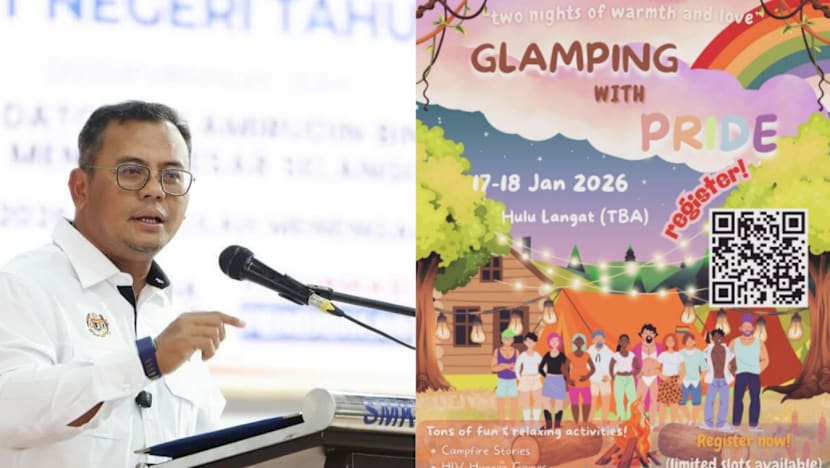
Then in January, a camping retreat in Selangor organised by gay, bisexual and queer (GBQ) men’s group Jejaka was cancelled after authorities said no permits would be issued for such events. The state ruler also ordered “firm action” against activities linked to the retreat.
On Feb 25, the Malaysian government blocked the websites of Grindr and Blued and said it would mull measures to curb the presence of LGBTQ dating apps from app stores.
Ministers have also pledged a tough stance against LGBTQ persons and content.
On Feb 26, Marhamah Rosli, Deputy Minister in the Prime Minister’s Department (Religious Affairs), urged the public to use the term “deviant culture” to replace “LGBT” to curb the spread of LGBTQ social media content.
“The more we utter, write and mention the term ‘LGBT’, the more related content will pop up. Unknowingly, we may appear to be promoting the deviant culture,” she said in reply to a senator’s question in Parliament.
In a written parliamentary reply in January, Minister in the Prime Minister’s Department (Religious Affairs) Zulkifli Hasan said Malaysia recorded 135 LGBTQ-linked arrests between 2022 and 2025.





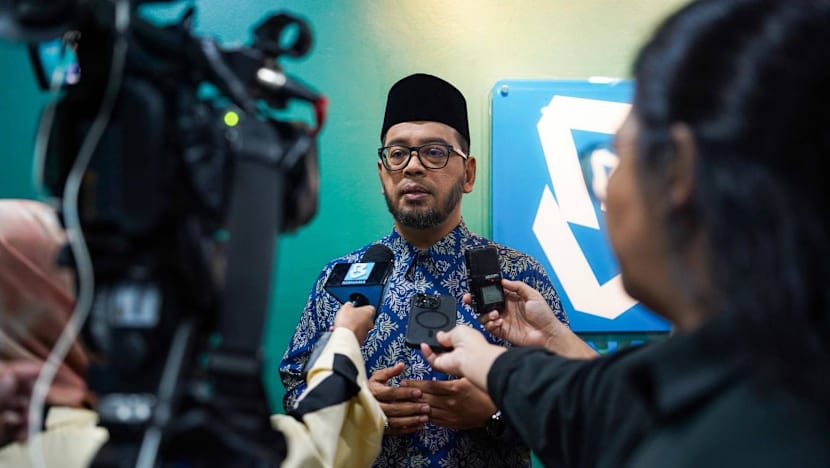
He said the government “remains vigilant in enforcing Syariah criminal laws”, adding that this covers lesbianism, sodomy and men posing as women. Enforcement is not limited to arrests, he said.
These developments, observers told CNA, point to a chillier climate for LGBTQ people in Malaysia, where homosexuality is illegal and there has traditionally been pushback against the community, especially by conservative Islamic segments including political parties.
INTERPRETING RECENT REGULATORY ACTION
Malaysian lawyer Yoges M Verasuntharam, who has advised parties in LGBTQ cases, told CNA that recent enforcement suggests a trend towards a more preventive approach than one based on proven crime.
She has seen around a 20 per cent increase in calls seeking legal advice on LGBTQ-related enforcement over the past year, compared with the previous year.
“This suggests an enforcement model that prioritises anticipated risk mitigation and public order considerations over post-offence prosecution,” Verasuntharam said.
Recent cases she advised include a 2025 Women’s Day Rally event in Kuala Lumpur where a rainbow flag was flown, and LGBTQ couples posting photos during Hari Raya this year, which were subject to police probes.
Verasuntharam advised these clients on giving police statements, including what questions they should answer.
Data collected by non-governmental organisation Justice for Sisters do not point to a clear trend. It recorded at least 307 LGBTQ-linked arrests in 2025 under federal and state Syariah laws, and 32 people arrested in 2026 as of May 8.
It also recorded five to six LGBTQ events disrupted in June 2025 alone, compared to at least eight LGBTQ events recorded between 2019 and 2023 that it said were “intimidated, raided or disrupted”.
It is unclear if the arrests and disruptions are due to heightened enforcement, increased number of groups organising events or greater visibility of the events, said founder Thilaga Sulathireh.
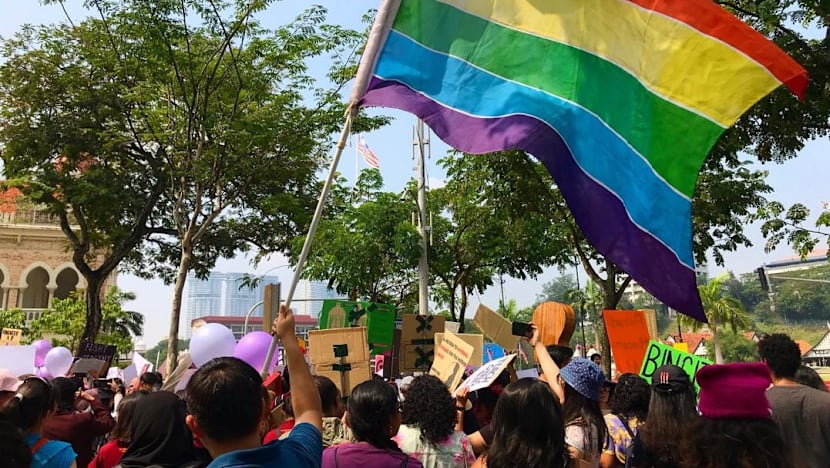
Enforcement of LGBTQ matters is often tied to various federal and Syariah laws while informal public policing has also led to increased visibility of the group, said lawyer Verasuntharam.
Malaysia, a multi-ethnic country where Islam is the state religion, has a dual-track legal system, with Syariah courts handling some cases for Muslim citizens.
Under Section 377A of the Penal Code, sodomy is criminalised, with penalties including a jail term of up to 20 years with caning.
Other federal laws such as Section 504 of the Penal Code criminalising intentional insults disrupting public peace, and Section 233 of the Communications and Multimedia Act criminalising online transmission of “grossly offensive”, “obscene” or “indecent” content, or the “improper use of network facilities or services”, have also been invoked in LGBTQ cases, according to Verasuntharam.
Across states, more than 50 Syariah laws outlaw same-sex conduct and non-normative gender expressions such as lesbian relations among Muslims, with penalties including caning, fines of up to RM5,000 (US$1,254) and up to a three-year jail term.
The Malaysian Communications and Multimedia Commission (MCMC) told CNA it adopts a “proportionate, evidence-based and risk-informed approach” in enforcement on mobile applications and global platforms.
Asked how it determines enforcement action and whether enforcement on LGBTQ-related content has changed, MCMC said regulatory action is guided by laws, due process, complaints received and assessment of potential harm.
It added that enforcement is taken against individuals who “misuse online services including to upload content” that violates Section 233 of the Communications Media Act.
“Any access restriction implemented is not targeted at any specific community or group, but is based on findings that certain content or services are in breach of local laws,” a spokesperson said.
“MCMC also undertakes preventive measures, such as restricting public access to websites that host content found to be in breach of Malaysian laws.”
Malaysia police and the religious affairs ministry did not respond to CNA’s queries on enforcement measures against LGBTQ activities.
CONSERVATIVE PUSHBACK “FORCES GOVERNMENT TO REACT”
Political considerations and the visibility of some LGBTQ events are possible factors behind the shift observed in enforcement stance, analysts told CNA.
James Chin, a professor of Asian Studies at the University of Tasmania, said LGBTQ groups have been more assertive through social media and have gained a higher profile.
“Every time they organise something, there's this conservative crowd who goes after them … and this forces the government to react,” he said.
Malaysian digital media researcher Zikri Rahman is of the view that “participatory censorship” – bottom-up monitoring of content by netizens – has become more pronounced.
“It is easier for the authorities to justify (enforcement) to the masses that they are doing that to curb ‘immoral’ activities,” he said.
Syaza Shukri, a visiting senior fellow at the ISEAS-Yusof Ishak Institute in Singapore, agreed that social media has amplified LGBTQ matters in recent years, compelling the government’s response to be “proportionate”.
The enforcement aligns with Prime Minister Anwar Ibrahim’s ruling Pakatan Harapan (PH) coalition’s hope of winning over Muslim conservatives, she added.
In 2023, eight in 10 Malaysians said that they opposed letting gays and lesbians marry legally in Malaysia, according to a Pew Research Centre survey of about 2,000 Malaysians.
“The bigger spotlight on the issue is because of a PH-led government. One wrong move and they would be called anti-Islam,” Syaza said.
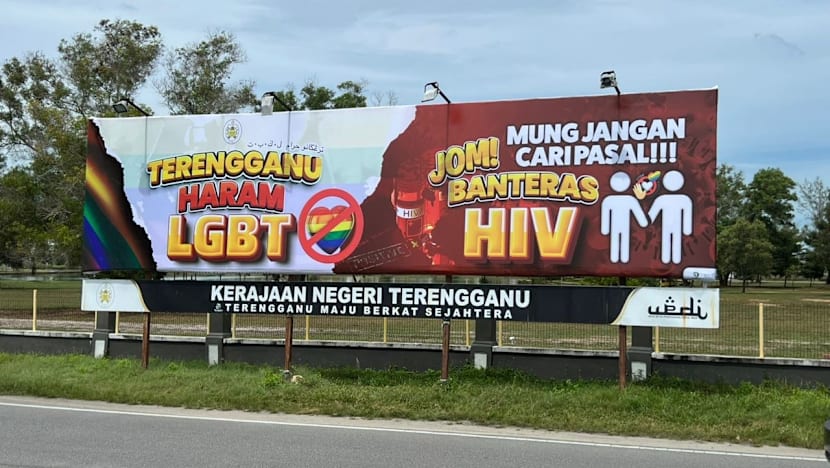
Syafiqah Taufek, a research officer in Regional Social and Cultural Studies at ISEAS-Yusof Ishak Institute, said recent moves indicate a tougher stance towards the community at the “discursive and structural levels”, and are a symptom of political competition.
With the Parti Islam-Se-Malaysia (PAS) as the “guardian of Islamic order” and a dominant party in opposition coalition Perikatan Nasional (PN), the LGBTQ community has become more visible as a tool of political pressure, she said.
With several state elections and Malaysia’s 16th general election on the horizon, possibly later this year, experts said enforcement may intensify.
“I won’t be surprised if Anwar and his party will ramp up the attacks, and PAS will do the same thing. But I don’t think Anwar will play this card too strongly, simply because he needs some incident to tap into the negative sentiment,” said Chin of University of Tasmania.
The sometimes-tense coexistence between the government and LGBTQ community is likely to continue, experts said.
“The government's action towards the community has often been episodic rather than regular crackdowns, suggesting a quiet tolerance,” said Syafiqah.
WHY SOME WANT TOUGHER ACTION AGAINST LGBTQ
Some observers and groups in Malaysia told CNA that they support the government’s recent enforcement moves.
Samsul Draman, a professor at Kulliyyah of Medicine, a university hospital at Malaysia’s International Islamic University, said the government has “done its part”.
“I hope it (the government) can maintain this momentum and continue improving,” said Samsul, who founded Kuantan-based non-governmental organisation (NGO) Persatuan Insaf Pahang.
It focuses on transgender rehabilitation using methods such as Islamic spiritual guidance, sponsoring Umrah pilgrimage trips to Mecca and Madinah in Saudi Arabia as well as breast implant removal surgeries.
On the spa raid on Nov 28 last year, Samsul was previously quoted by Berita Harian as saying that “deviant” behaviour was becoming increasingly widespread in Malaysia, and that HIV prevention treatment such as taking pre-exposure medication was often misused by homosexual couples and “indirectly encourages homosexuality”.
Samsul told CNA that with the support of the authorities, between 2017 and 2021, his NGO had “indirectly” helped close eight “prostitution centres" in Kuantan where transgender males and females allegedly ran small-scale sex work operations.
“Regular government enforcement is also helping significantly to close these centres,” he added.
Firdaus Baharuddin, an executive committee member of Pertubuhan-Pertubuhan Pembela Islam (PEMBELA), a coalition of Islamic NGOs, also said he agrees with the government’s actions, citing Malaysia’s laws.
“Same-sex relations remain criminalised under both the Penal Code and Syariah laws, and the constitution does not protect against discrimination based on sexual orientation or gender identity,” said Firdaus.
“Moving forward, we would expect the government to take a firmer and more consistent stance in enforcing existing laws without ambiguity or selective application … and in full accordance with due process,” he said.
“At the same time, Malaysia should remain cautious about the uncritical importation or promotion of external cultural norms and social practices that are not aligned with the country’s legal framework and the values that have long shaped Malaysian society.”
PEMBELA, which has over 58,000 followers on Facebook, held a rally in March 2012 to protest against any attempts to promote homosexuality, voicing concerns over Malaysia's participation in the United Nations (UN) Human Rights Council conference that month to discuss LGBTQ rights language.
Malaysia later opposed the expansion of LGBTQ rights language at the UN discussion.
Rafidah Hanim Mokhtar, a professor in gender and cardiovascular physiology at the Universiti Sains Islam Malaysia, said that recent enforcement aligns with Malaysia’s “legal and sociocultural framework”.
Referring to Jejaka’s “glamping” event, Rafidah told CNA that health-related programmes - including those promoting HIV prevention and support - need to be conducted with “careful consideration of prevailing laws, public sensitivities and moral norms”.
“Health authorities therefore carry a responsibility to ensure that initiatives … are communicated and implemented in a manner that does not create public misunderstanding or the perception of endorsing particular lifestyles that may conflict with national laws and societal values,” said Rafidah, who is also president of Islamic NGO WAFIQ, which advocates for women rights and preserving the “sanctity of a family unit”.
HOW ARE LGBTQ GROUPS RESPONDING?
LGBTQ advocacy groups said they have been taking more pre-emptive measures, such as reframing terminology when promoting their events, increasing internal risk awareness and collaborating with other groups.
“We’re more thoughtful in how we say things … from how we describe programmes publicly to the language we use on social media and how sensitive information is shared,” said Mitch Yusof of SEED, a group for the transgender community.
Instead of describing its counselling service as addressing mental health issues among transgender individuals, for instance, “we can reframe it as a peer-led counselling space”, Mitch said.
SEED is also taking greater care to ensure programmes align with its organisational priorities before seeking funding, where previously it would plan its programmes around available funding sources.
“It helps us stay in control and avoid unnecessary risk,” Mitch said. “There is a stronger internal emphasis on risk awareness among staff and community members, so that everyone understands the landscape we are operating in.”
Jejaka, which cancelled its Selangor “glamping” retreat after being denied a permit in January, said it was the first time it faced "explicit state enforcement” involving the police since it was founded in 2017.
“Some of these (past) gatherings, which we framed as ‘Gay-therings’, were posted online, but did not see police enforcement,” said Dhia Rezki Rohaizad, programme manager at Jejaka.
Dhia said all seven board members were investigated by the Kajang police in February in relation to the Selangor glamping retreat, though no arrests have been made.
He said Jejaka is now finding “entry points” within broader public health and human rights themes, such as HIV prevention efforts, to advocate for GBQ rights.
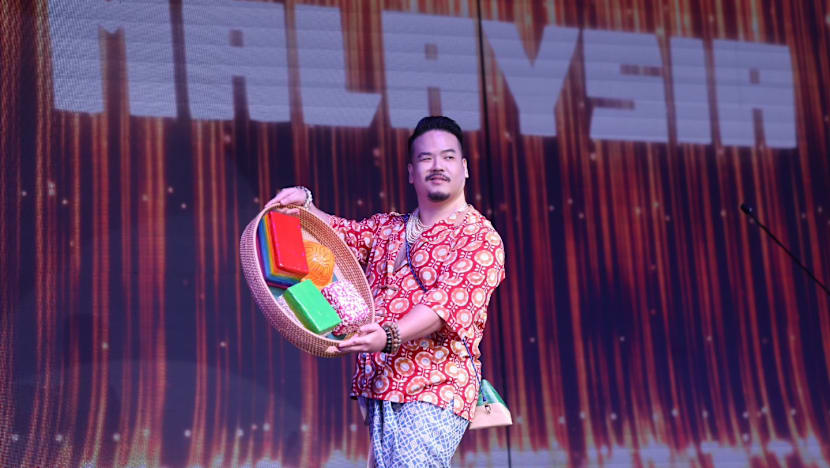
Gavin Chow, co-founder of the organisation People Like Us Hang Out (PLUHO), said it is increasing collaboration with people such as LGBTQ-friendly counsellors, and “building allies” with parties including non-LGBTQ voices to “expand the civic space” for the community.
“It is important that LGBTQ groups do not work in silos addressing the issues that we are facing,” he said.


Some LGBTQ Malaysians said recent events have led them to keep their guard up.
Tom (not his real name), one of over 200 men detained in the wellness centre raid on Nov 28 last year, said it has heightened his fear of going to same-sex venues accessible to the public.
Recounting the raid, the 30-year-old university student told CNA: “It was dim when the police came in (with their flashlights) and they shouted at everyone to sit down. Everyone was in a towel.”
The press and police were also filming, he said.
Tom said he was detained for investigations for over 24 hours - which is illegal according to Malaysia’s laws - and not given enough food and water during this time.
In response to public backlash, Kuala Lumpur police chief Fadil acknowledged procedural gaps but denied exceeding the 24-hour detention limit.
On allegations that the authorities had exposed the identities of detainees, Fadil reportedly said on Dec 3 last year: "I do not want to comment on that. Investigations are confidential. We only disclose what can be shared, such as 'arrest involving civil servants'. Any leaks of information are outside our control."
Tom said the raid has made him “more careful” when going about his daily life.
“You can’t shake that feeling ... You have to be careful about it,” he said.
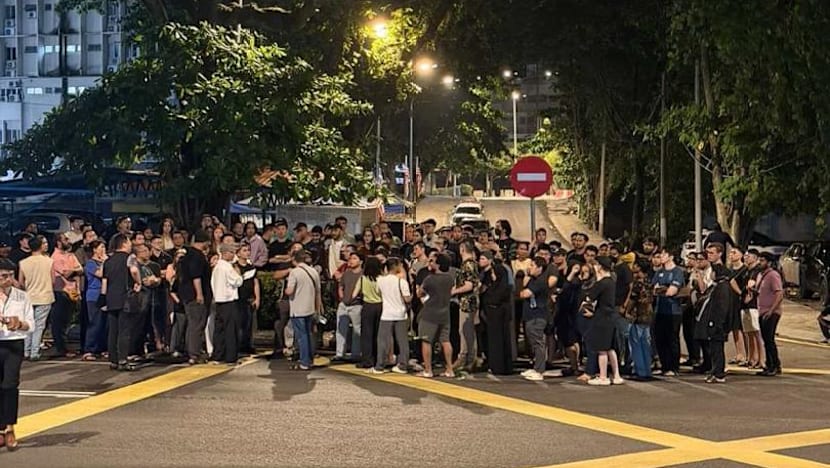
For Iki Putra Mubarrak, 40, news of the November raid brought back memories.
“Sometimes just hanging out in a group of queers brings fear,” said the customer service specialist.
Iki was charged in a Syariah court with committing sodomy in August 2019, after he was arrested in a raid on a private gay Airbnb party in Selangor.
He challenged the state law on the grounds that it overlapped with federal laws and was therefore unconstitutional, and won after a unanimous decision by a nine-judge panel on Malaysia’s Federal Court.
In 2023, the government formed a special committee, led by former chief justice Zaki Tun Azmi, to review the competency of state legislative assemblies to enact Syariah laws, including resolving conflict between federal and state Syariah laws.
No announcement on deconflicting Syariah and federal laws has been reported since the committee’s formation.
Lawyer Verasuntharam said the overlap between Syariah and federal laws has led to “enforcement complexities”.
“The issue of overlap arises when Syariah criminal enactments are interpreted or applied in a manner that extends beyond matters of personal religious conduct, and begin to regulate areas that properly fall within federal criminal jurisdiction,” she said.
In principle, Syariah law is intended to operate as a "residual framework", addressing matters not covered by federal laws, she added. Offences in morality, public order and criminal conduct are already covered under federal law, she said.
“This raises concerns regarding the proper scope of authority and the division of legislative competence between federal and state institutions.”
Others in Malaysia’s LGBTQ community said they remain undeterred from speaking up.
University student Parveen Rameshnathan, 24, said that despite recent enforcement, he has seen more members of the community, especially the younger generation, becoming comfortable with themselves.
On the government reviewing legal steps to ban LGBTQ dating apps such as Grindr, he said there are other options available.
“There is Twitter, there is Instagram, there is Tinder, there is Bumble,” he said, noting that such platforms offer LGBTQ functions.