What is behind China’s rapid rise as a pharmaceutical powerhouse?
From billion-dollar licensing deals to advances in cancer therapies and artificial intelligence, Chinese biotech firms are reshaping the global drug industry.
China is emerging as a major force in drug innovation, accounting for a growing share of new molecules entering human trials and signing record billion-dollar licensing deals, especially in cancer therapies.

This audio is generated by an AI tool.




SHANGHAI: The next time you take a new prescription drug, there is a growing chance it was first developed in a laboratory in China.
The country has become one of the biggest sources of new drug candidates entering human trials globally.
According to Goldman Sachs Research, 46 per cent of new drug molecules entering human trials worldwide in the first half of 2025 came from Chinese biopharma companies.
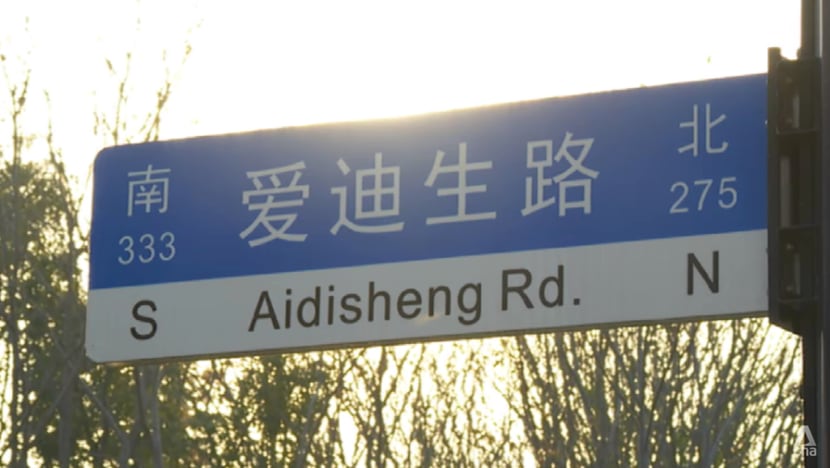
Much of this activity is happening in Zhangjiang, a district in Shanghai where the streets are named after famous scientists such as Thomas Edison and Cai Lun.
Once known mainly as a technology hub, the area has earned a new nickname in recent years – “Pharma Valley” – because of the large number of biotech firms based there.
These companies are becoming an important source of innovative drugs and an increasingly significant part of the global pharmaceutical supply chain.





SPEED AND LOWER COSTS
China’s speed and cost advantages are some key reasons behind its rapid rise as a pharmaceutical powerhouse, said industry players.
“It's very important for us to have enough patients to test (a) particular drug. Because of the huge domestic market, it makes patient recruitment in clinical trials very quick,” said Rei Lim, founder of Pharminex, a networking platform for life science professionals in Asia-Pacific.
“Clinical trials actually run pretty quickly in the Chinese market,” added the former pharmaceutical executive.
While the United States is also a large market, developing medicine there is far more expensive, Lim noted.
Many global drug companies are increasingly relying on Chinese biotech firms for drug innovation and are snapping up licensing deals to commercialise the discoveries.
According to analytics firm GlobalData, licensing deals in oncology – or cancer treatment – from China reached US$30 billion in 2024. That is three times the value of similar deals involving US labs.
Slightly more than half of the total deal value involved a type of cancer drug known as ADCs, or antibody drug conjugates.
Shanghai-based Duality Bio is one such ADC developer that has benefited from this boom.
Founded six years ago, it has signed deals with British pharmaceutical giant GSK and Germany’s BioNTech to commercialise different ADCs outside China.
“We already have 10 programmes in the clinical stage. Our total deal size is about US$6 billion,” said founder and CEO John Zhu.
WHY CHINA HAS AN EDGE IN ADCs
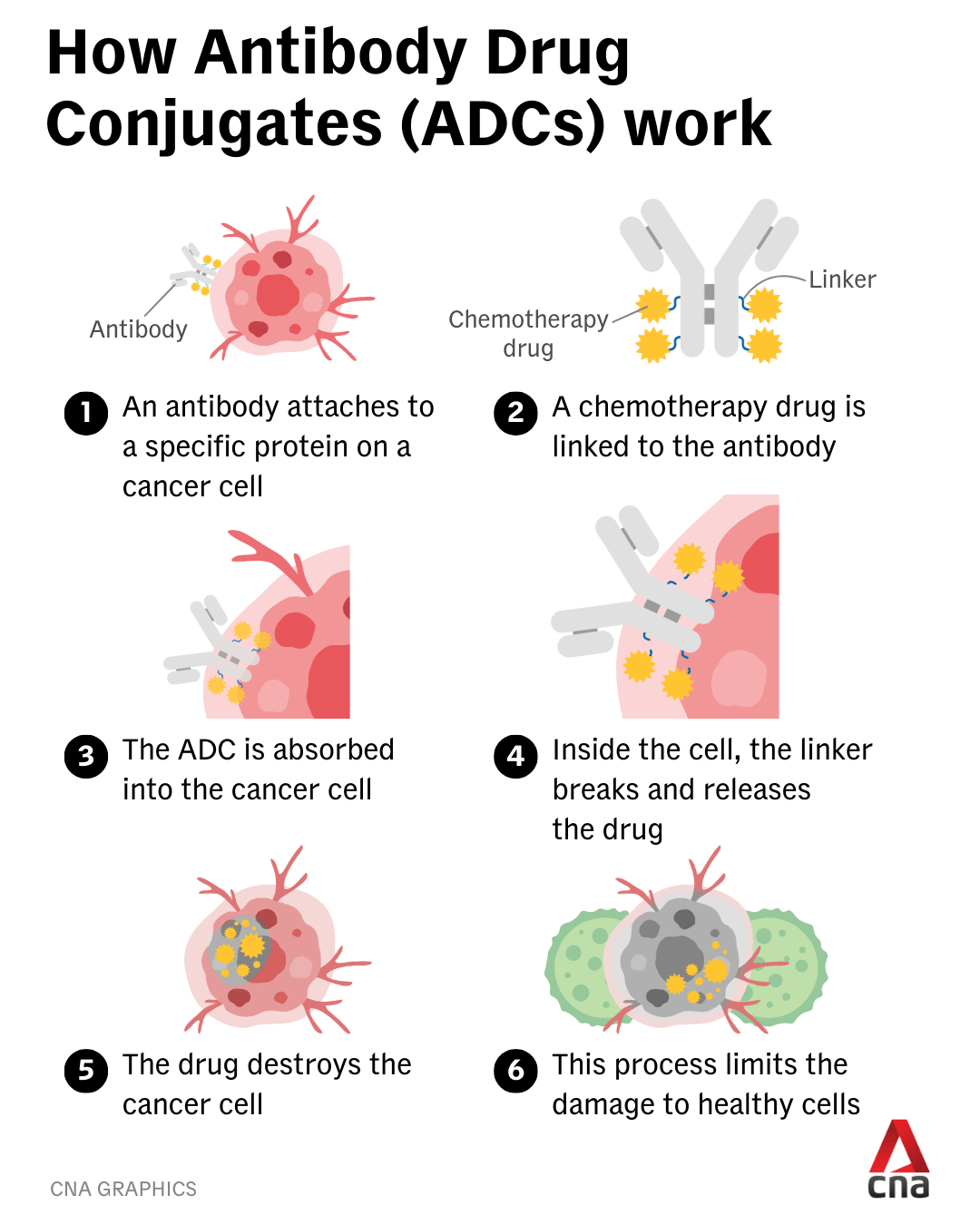
ADCs are a newer class of cancer drugs designed to target tumours more precisely.
They have three main parts:
- A monoclonal antibody that targets a specific protein on the surface of cancer cells.
- Chemotherapy drug payloads.
- Linker molecules that connect the two.
The linker is engineered to break apart once the ADC enters a cancer cell, releasing its toxic payload. This helps limit damage to healthy cells.
Zhu believes the US still leads China in identifying the right biological targets, but argues that China is especially strong in the technical and chemical aspects of developing these drugs.
“(It’s about) what kind of linker you choose, what kind of payload you design. You need medicinal chemists to design it, and then you have to engineer it,” he said.
“On this side, China’s capability is actually very strong – and getting stronger. China has excellent medicinal chemists and excellent engineers, and we can also scale up well.”
He added that Chinese teams are “comparatively really hardworking” when it comes to technology, and argued that the country no longer trails behind the US in chemistry and engineering.
“Not only do we not have a gap – we’ve started to overtake,” said Zhu.
Research data reflects part of this shift.
The Nature Index, which tracks global research output, shows that the US had twice China’s share in biological sciences in 2024. But in chemistry, China’s share was three times that of the US.
CHINA’S SECOND DEEPSEEK MOMENT?
The rise in China’s biotech industry is not sudden, but the result of long-term capital investment made a decade earlier, said William Ma, founder and global chief investment officer of GROW Investment Group.
A decade ago, he said, many Chinese and global private equity firms were already pouring money into biotech and pharmaceuticals, betting on the industry’s potential.
“If there is a second DeepSeek moment in the Chinese economy, it would be a breakthrough of the biotech or pharmaceutical sector,” he added, referring to the Chinese artificial intelligence firm’s advanced large language model that drew global attention in 2025.
But as Chinese biotech firms enjoy growing success, a key question remains: Why are they choosing to cash in through out-licensing deals instead of taking their own drugs overseas?
To understand this, it helps to follow the money.
A DOMESTIC MARKET BUILT ON LOW PRICES
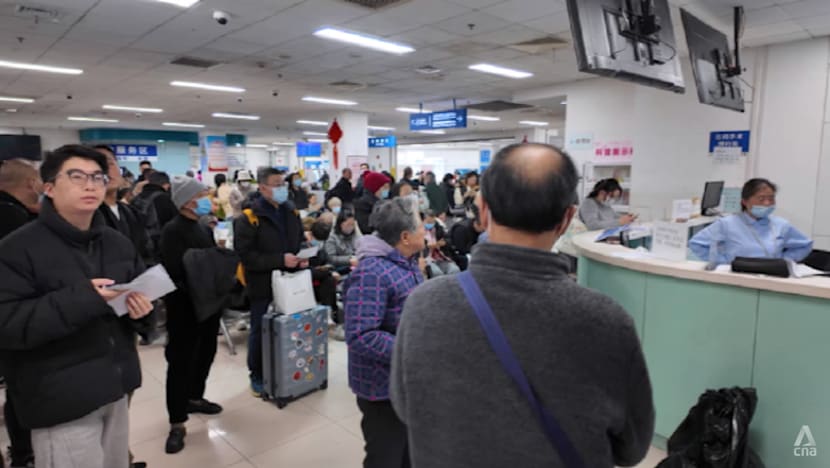
In most countries, generic medicines are cheaper than branded drugs. But in China, the gap can be much wider.
For example, the branded version of Tamiflu, a common flu medication, can cost up to 215 yuan (US$31) at a pharmacy. But a generic version from a public hospital can cost as little as 20 yuan – more than 10 times cheaper.
China is able to push prices down because of its huge population.
The government pools drug demand from public hospitals nationwide and runs volume-based tenders. Drugmakers are guaranteed sales volumes in exchange for much lower prices.
This has made drugs more affordable for patients, but it has also had consequences for the industry.
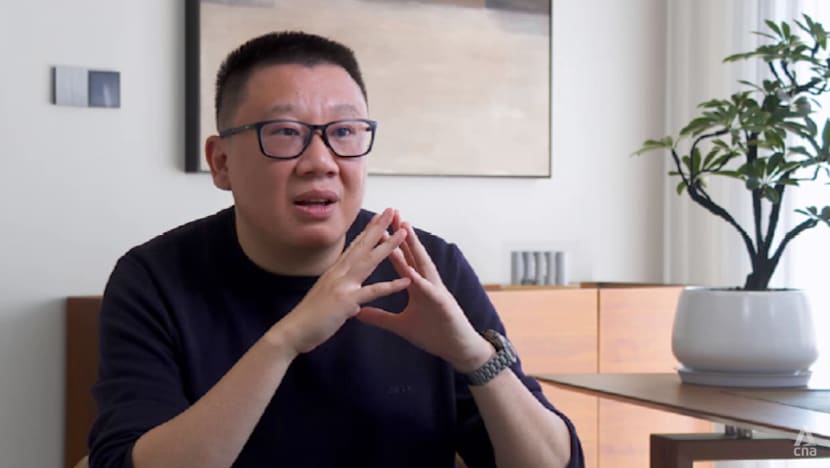
Dai Jialing, president and publisher of PharmaDJ, who has covered China’s pharmaceutical sector for more than 17 years, said there used to be a “virtuous cycle” of funding.
“For example, a company you invested in 10 years ago – after its IPO (initial public offering) launch, its market value was strong and its liquidity good. The money from the primary market could be invested back into the sector.”
But volume-based procurement changed that. Lower drug prices meant tighter profit margins, and investor confidence weakened, putting pressure on valuations, Dai added.
“Those years became a ‘winter’ – and it broke the industry’s funding chain,” he said.
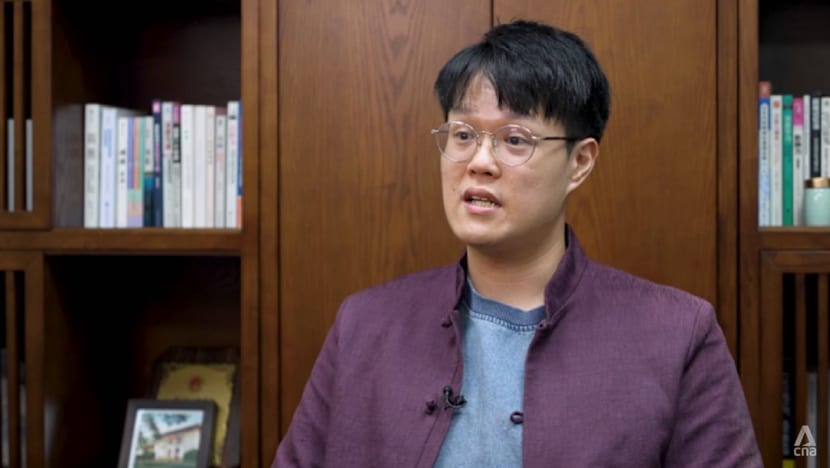
Limited resources pushed many Chinese biotech firms to turn overseas, said Pharminex’s Lim.
“Over the past one or two years, 32 per cent of the global out-licensing value actually came from products of Chinese origin,” he added.
Licensing deals allow Chinese firms to receive upfront payments and milestone fees from global partners, helping them fund further R&D.

THE PERCEPTION PROBLEM
Money is only part of the story. Lim believes global perception still plays a major role.
Despite major R&D advances, some overseas markets still associate China mainly with low-cost generics rather than innovative drugs.
He added: “People are still looking at China as a … copycat market, when in fact China has moved far beyond that. They are very innovative … but unfortunately, market perception hasn’t fully caught up.”
However, attitudes are shifting among industry insiders.
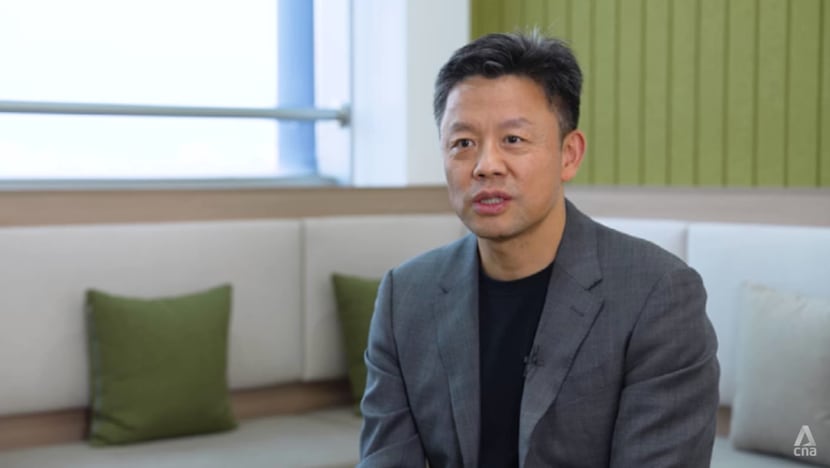
Duality Bio’s Zhu said regulatory standards in China have tightened significantly in recent years.
“Because China has carried out a lot of rectification campaigns, when it comes to production and inspection, China is demanding standards that can almost be considered harsh, and possibly higher than US ones,” he said.
He added that many Chinese companies have passed inspections by the US Food and Drug Administration (FDA).
“You can see CEOs of pharmaceutical MNCs forming groups, picking Chinese biotech (firms) to visit, expressing interest in their innovation, and we hope to collaborate. That kind of recognition is stronger than anything else.”
A SURGE IN CROSS-BORDER DEALS
The pace of these cross-border partnerships is accelerating.
Official figures show that Chinese pharmaceutical companies signed 94 out-licensing deals in 2024. In 2025, that number surged to 157.
The value of those deals rose even faster, more than doubling from nearly US$52 billion to US$136 billion in just one year.
Beyond validating China’s growing strength in drug innovation, these deals provide a crucial funding lifeline.
This is because at home, pharmaceutical companies are also expected to serve a broader social mission.
GROW Investment Group’s Ma sees drugmaking in China partly as a public good.
“If you look at the prioritisation of (China’s) 15th Five-Year Plan – common prosperity, living standards, equality – that’s at the top of the agenda,” he said.
“So as an investor, I would invest in these companies, but I would not expect them to generate very high profit margins, because this is ultimately a social welfare issue.”
With breakthroughs in weight-control drugs, cancer therapies and treatments for some of the world’s most serious diseases now in the pipeline, cross-border partnerships are becoming one of the few bright spots of cooperation in an era of intense technological rivalry, experts say.
Keeping these collaborations alive will not only sustain China’s biotech firms, but also benefit patients around the world.
COULD AI DELIVER THE NEXT BREAKTHROUGH DRUG?
Drug making is a risky business, and some Chinese biotech firms are now turning to AI – an area where China already has a strong global presence – for an edge.
Michael Li, chief AI scientist at Mingdu Zhiyun, strongly believes the technology could help tackle the long and costly process of drug R&D.
The Hangzhou-based company provides AI-powered tools for drug research and manufacturing. It has served more than 500 companies in eight years, Li said.
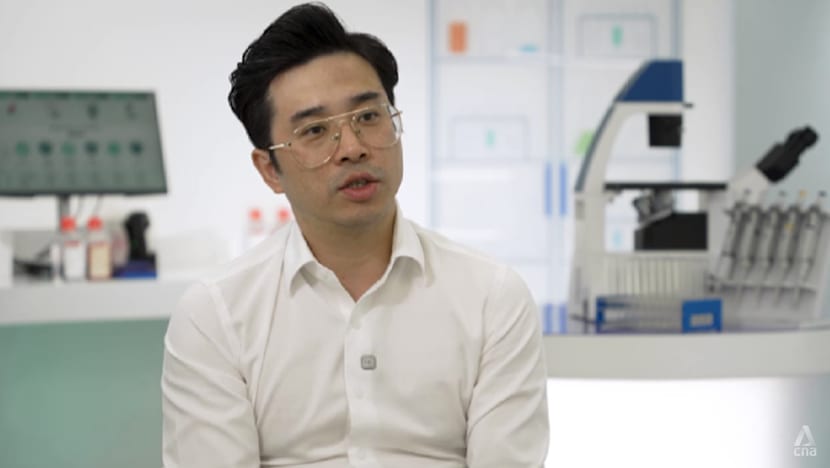
Typically, developing a new drug takes between 10 and 20 years, costs roughly US$1.5 billion to US$2 billion, and sees failure rates of as high as 90 to 99 per cent across the pipeline, Li noted.
In such a high-stakes environment, AI has been promoted by some as a game changer.
But for now, one of its most significant uses is surprisingly ordinary.

BUYING TIME THROUGH TRANSLATION
PharmaDJ’s Dai said large drugmakers “spend billions every year just on translation” because they often file for approval in China and the US at the same time. That means submitting documents in both Chinese and English, many filled with technical terms.
Dai added that this is where AI can be most useful, since much of the work involves repetitive translation that, through learning, can be completed very quickly.
Drug discovery is only the first step. After that, companies must prepare thousands of pages of documentation for various audiences, such as regulators and doctors, in different markets.
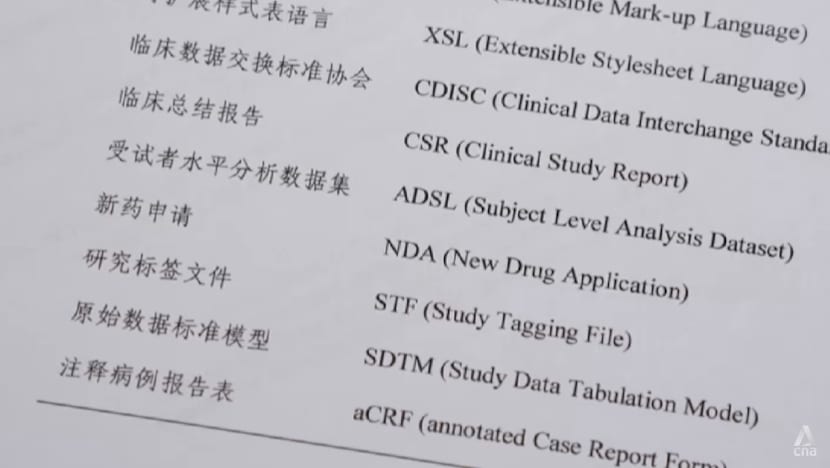
Dai points out that in pharmaceuticals, time is money, and AI-powered translation helps companies move faster.
A new drug is protected by patents for a limited number of years. The clock starts ticking once the patent is granted.
“There is value in launching (a drug) one or two years ahead of traditional development (timelines), as patents give you 10 to 15 years of exclusivity. Once generics arrive, the original drug loses,” said Dai.
“Annual sales for a so-called 'blockbuster' can be tens of billions, and this is very valuable for pharmaceutical firms,” he added.

BEYOND PAPERWORK
Translation is just one low-hanging fruit.
Li said AI is also helping companies buy time in more advanced ways, with one of his clients currently developing cancer drugs and monitoring more than 50 potential targets for attacking cancers.
“They may take about a month to dynamically track a single target and compile the information, but using our agent to collect and organise data only takes one week,” Li added.
But despite the excitement around AI, there is still no approved drug on the market that has been fully developed with AI assistance.
Li said AI only began entering early-stage drug development around 2018, which means it has been in use at scale for about seven years.
That, he added, is “not enough time to complete the full drug development cycle, especially the clinical stage”.
There is another hurdle: Data.
Li noted that modern drug development has a history of just over 100 years. That means the number of drugs developed and biological targets discovered are still limited, as is the amount of accumulated experimental data.
He added that this constraint can be greater in China, which entered pharmaceutical research and development later than some Western countries.
As a result, in many areas, especially rare diseases, there is still a shortage of high-quality data to “feed” AI systems so they can learn with sufficient precision, he said.
AI-designed drugs may still be years away from reaching pharmacy shelves.
But as China strengthens both its biotech and AI capabilities, it may no longer be a question of if an AI-assisted drug from China will reach patients, but when.