From Chiang Mai’s black house to the Bangkok skyline: Inside 137 Pillars
A derelict teak house in Chiang Mai became the unlikely beginning of 137 Pillars, linking a heritage hotel in Wat Ket with a sky-high Sukhumvit address.
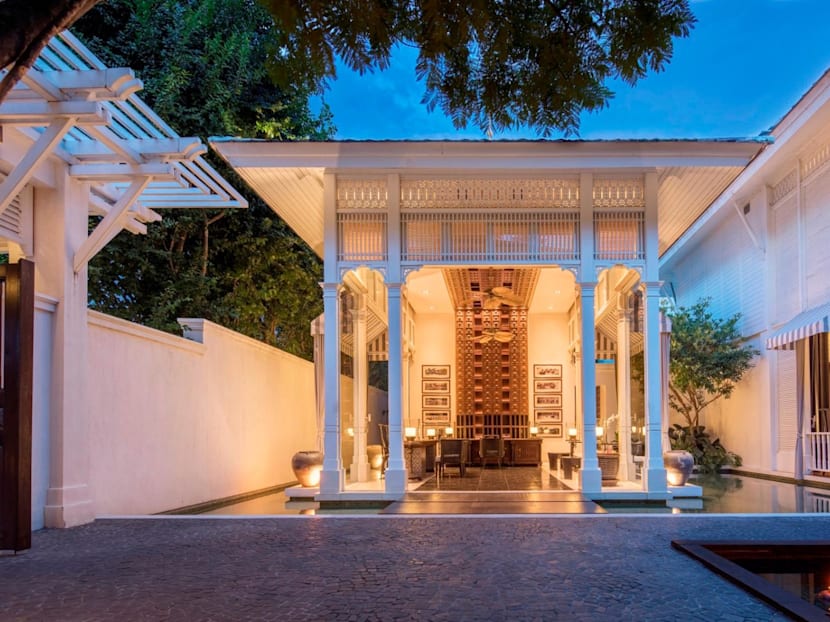
Set in Chiang Mai’s Wat Ket neighbourhood, 137 Pillars House is centred on a restored teak house and a collection of elegant timber structures. (Photo: 137 Pillars House Chiang Mai)

This audio is generated by an AI tool.


Chiang Mai locals called it Baan Dam – the Black House. Stand in the grounds today of 137 Pillars House and you would never guess the name. Orchid trees and century-old Indian rubber trees shade jade-green lawns while red-whiskered bulbuls and Asian koels keep up a cheerful argument overhead, and the whole compound sits in a stillness that feels, in the middle of a Thai city, faintly miraculous. The dark teak building at the heart of the estate – raised on, you guessed it, 137 pillars, its broad verandahs and lotus-carved ceilings intact after more than a century – gleams rather than broods.
The name Baan Dam hints at what 137 Pillars House looked like when Panida Wongphanlert first saw it in 2002: derelict and overgrown, its weathered teak blackened by decades of linseed oil, neglect and tropical rain. The Harvard-trained architect bought it anyway. Her family’s primary business was textiles; hotels were never the plan. But once she learned the history embedded in those titular pillars, keeping it to herself was not an option.
The house was built in the late 19th century as part of the Borneo Company’s upcountry operations, a British trading firm that arrived in northern Siam chasing Tectona grandis, or teak – the yellow-barked hardwood that Europe’s shipyards and architects craved for its resistance to rot and insects. Teak was extraordinarily valuable: A tree took 80 to 100 years to reach maturity, had to be girdled and left to die before it would float, and then took at least two more years to reach Bangkok by river.
The man who established Borneo Company’s Chiang Mai operation was Louis Thomas Leonowens, the son of Anna, the governess whose years in the Siamese royal court would inspire The King and I. His friendship with the young Prince Chulalongkorn was life changing. As Rama V, Chulalongkorn signed the Treaty of Chiang Mai in 1883, opening the northern forests to foreign timber companies. Louis later helped set up the company’s compound on the eastern bank of the Ping River. The Baan Dam became the office.
The last of the Borneo Company’s managers, a Scotsman named William Bain, eventually bought the compound in 1935. His son, Jack, gave Baan Dam its current name, invoking an old Lanna tradition in which a house’s wealth was counted in its pillars.
Panida’s four-year restoration carefully distinguished old from new. The original dark teak house became the heart of the property, its carved balustrades and fretwork painstakingly repaired. A small museum was created in the space beneath, while new white-painted timber structures – including a spa and reception pavilion – were clustered near the entrance.
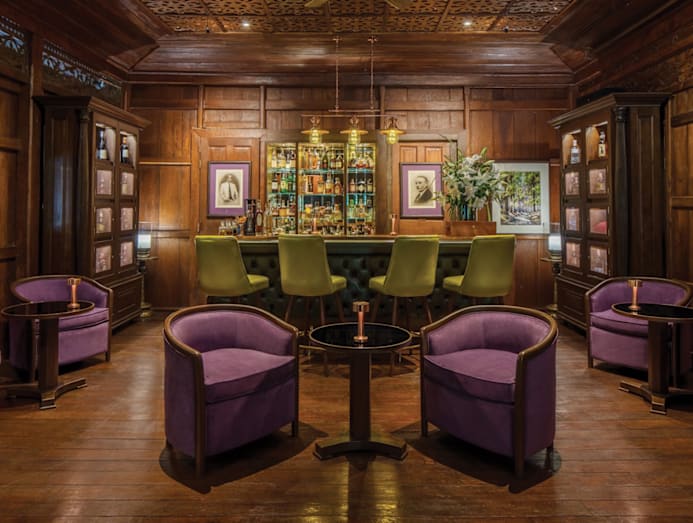
Today, 137 Pillars House, restored and infused with new life, is a joy to experience. As dusk softens the compound, guests drift inside for cocktails at the wood-lined Jack Bain’s Bar before settling into Palette, the intimate teak-ceilinged restaurant where the kitchen sends out astounding dishes rooted in Lanna flavours and royal court tradition: soft-shell crab on pomelo with kaffir lime, seared sea bass with lemongrass-shallot salsa wrapped in betel leaf, and miang sod with fermented tea leaves, a local dish said to have been introduced to the Siamese court by a Lanna princess.
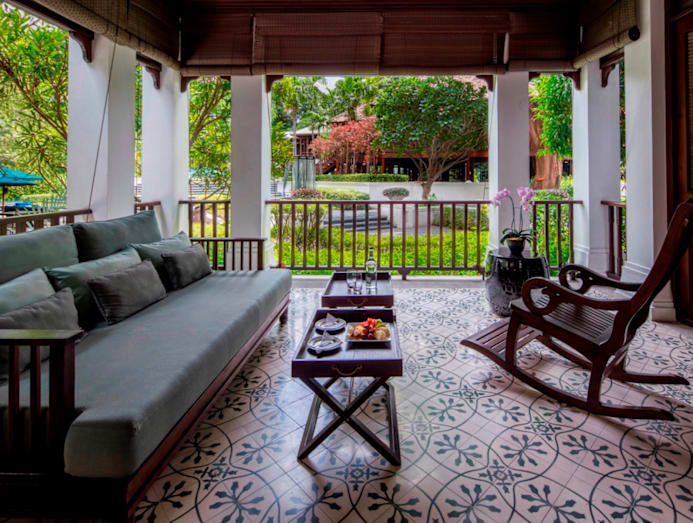
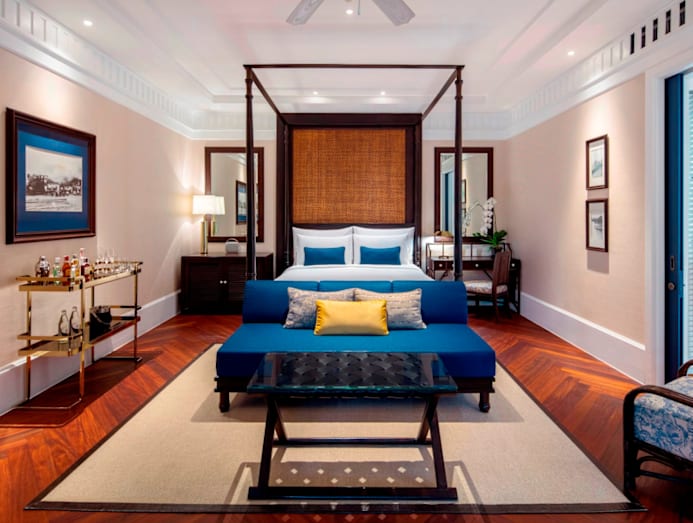
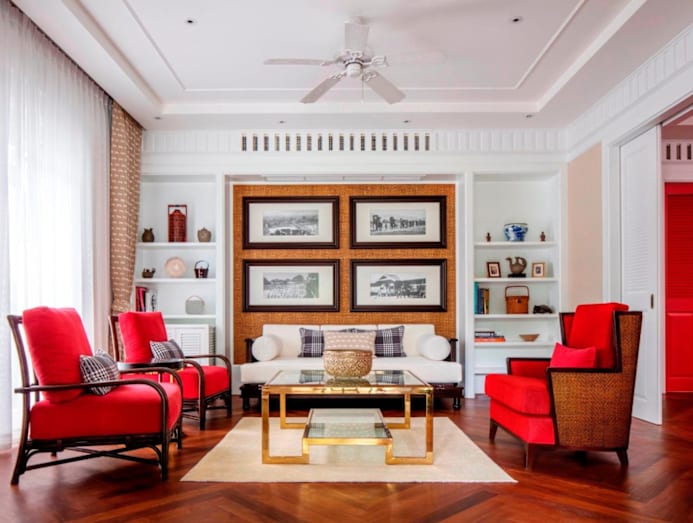
The 30 suites are swathed in a romantic evocation of plantation chic and old photographs of elephants hauling teak trunks, all framing broad verandahs, four-poster beds, freestanding Victorian baths, and outdoor showers in private garden niches. A 25-metre pool, backed by a 15-metre-high biophilic wall of money plants and flanked by a croquet lawn, completes the picture.
Beyond the compound, the Wat Ket neighbourhood rewards exploration, ideally with Frans Betgem, a Dutch expat who has spent decades mapping Chiang Mai's layered past on foot. His walking tour takes in the Wat Ket Karam temple next door before crossing the Chansom Memorial Bridge to Warorot Market, or Kad Luang – the Great Market to locals – where bamboo worms, hill crabs and ceremonial flower offerings await, alongside hand-dyed cloth in streets scented with hemp and straw.
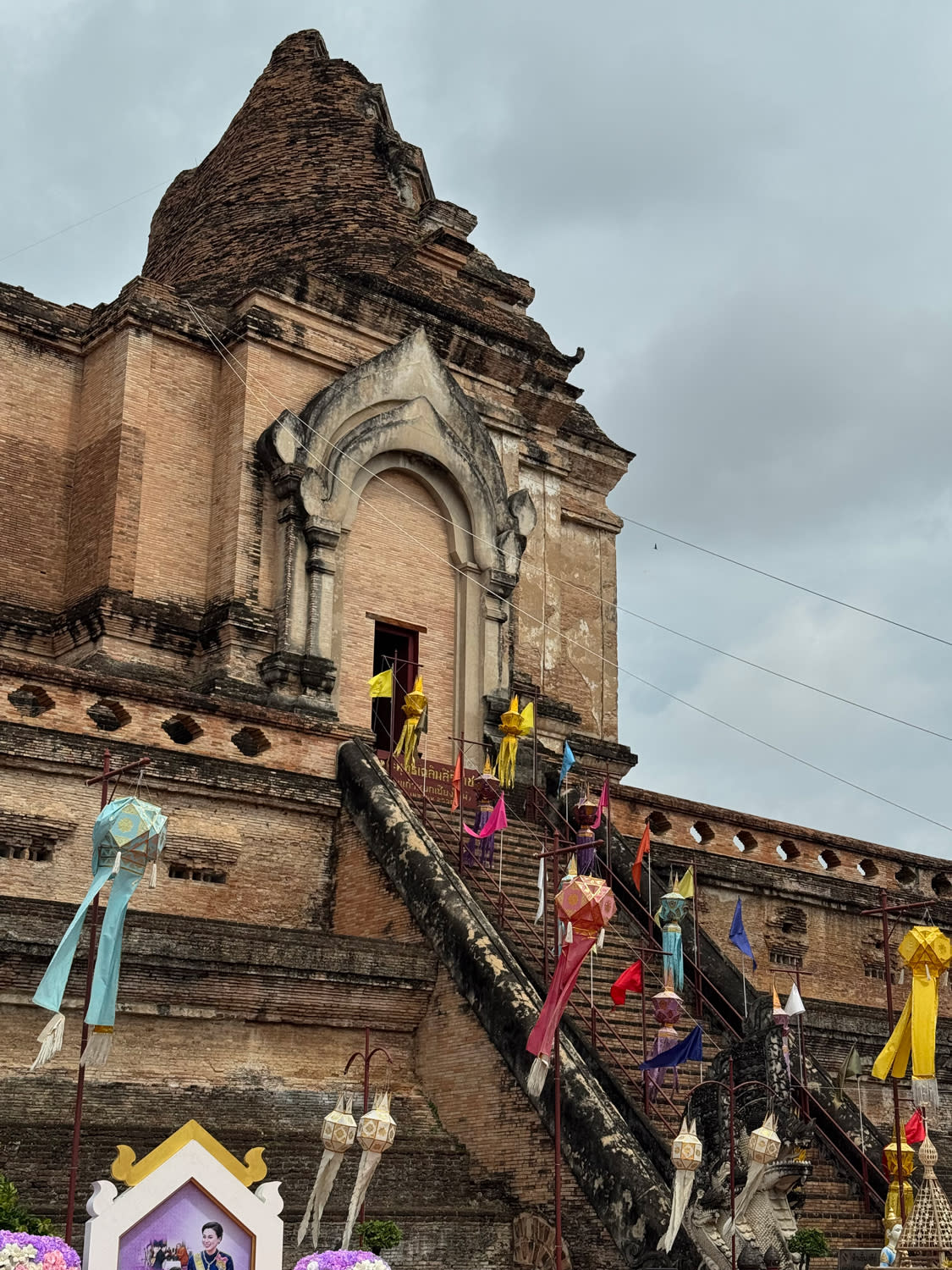
For added nostalgia, jump onto a samlor, or rickshaw – only 30 still working the lanes where 300 once circled – to the walled Old City, a short ride away. Here are quieter riches: Wat Chedi Luang, Wat Phra Singh and Wat Chiang Man, all extant temples that predate the teak trade by centuries. Dinner at Maadae Slow Fish Kitchen, a Michelin Bib Gourmand where young chefs char whole mackerel and trevally over open coals and the menu rotates with whatever their Chumphon fishermen have sent north, rounds out the evening with the electricity of a rich culinary tradition finding a millennial audience.
Standing at the riverbank before leaving and watching the wide-banked Ping move south, it’s surreal to imagine that teak logs once made this same journey – felled in the mountain forests, pulled by elephants and floated through Chiang Mai, then carried by the surging current all the way to Bangkok, where they were cut and shipped to grand houses in Singapore and Europe. Today, follow that same river downstream where it eventually merges with the Chao Pharya river and you arrive, 700km later, at the second chapter of the Wongphanlert story.
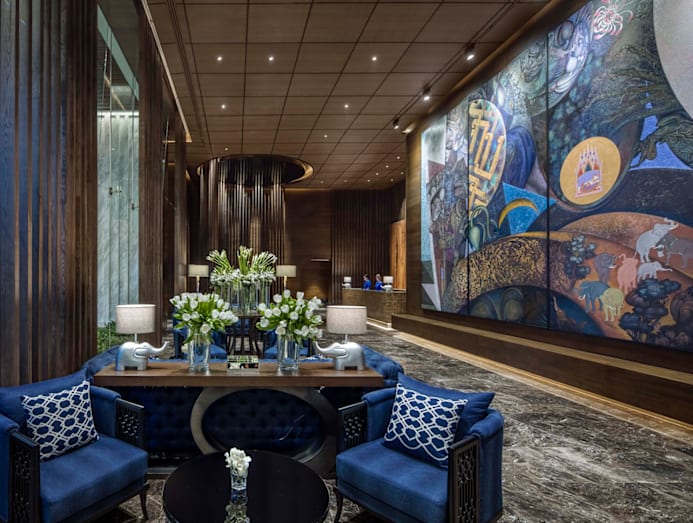
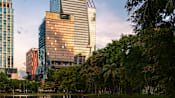
137 Pillars Suites & Residences Bangkok opened in Sukhumvit in 2017 and is overseen by Nida Wongphanlert, Panida’s niece, who studied engineering in England, returned to lead the Bangkok project and now serves as managing director of both properties. Where her aunt found a blackened teak house and fell in love with its history, Nida presides over something entirely new: 34 suites occupying the top six floors of a tower that also houses 179 private residences, with each of its two sky-high pools commanding views over the city, sprawling and glittering far below.
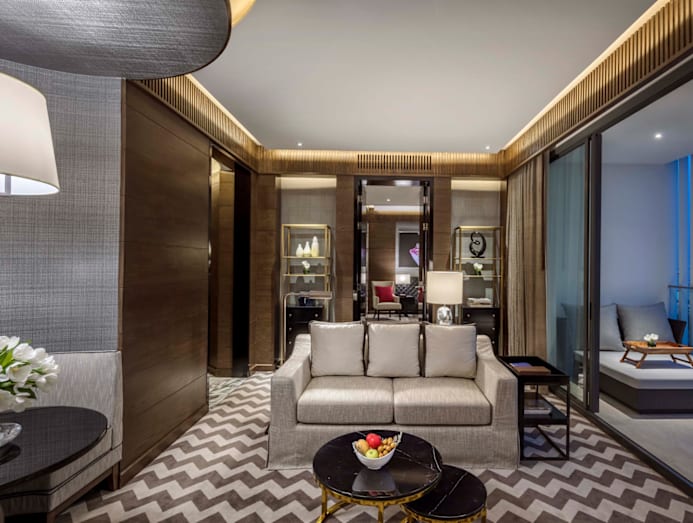
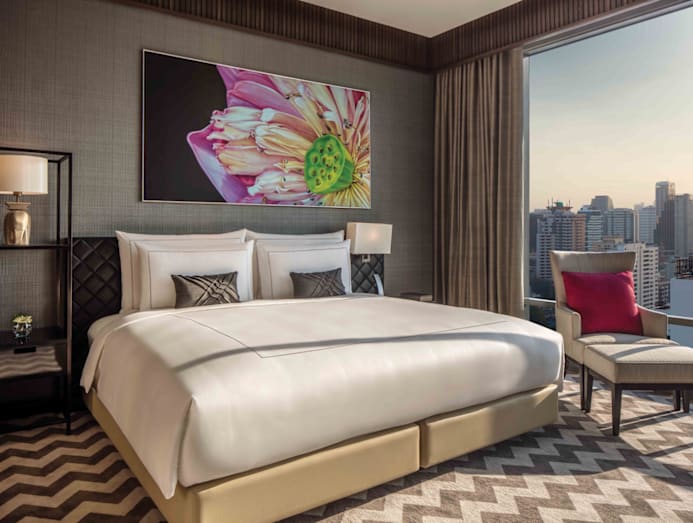
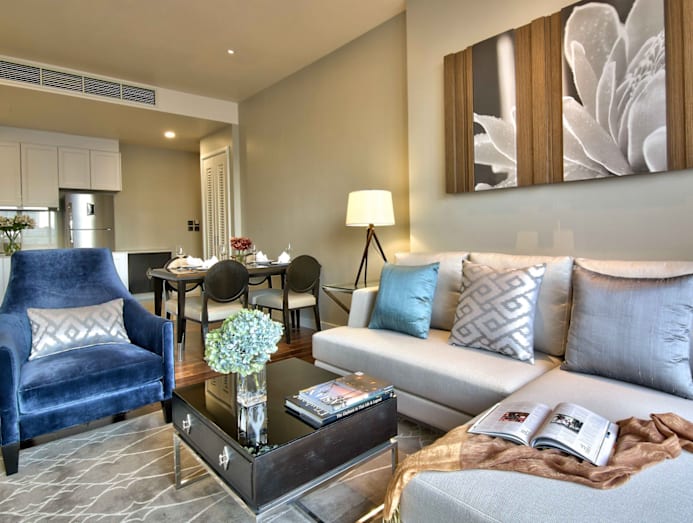
Cosmopolitan where Chiang Mai is contemplative, the Bangkok property carries its heritage lightly, not least the Baan Borneo Club, the soigne Jack Bain’s Bar, and the bijou Nitra wellness centre. The 29th floor grows its own organic herbs and vegetables, which find their way into Nimitr restaurant, where complex Thai flavours are cocooned by light Western touches. Drift from a morning by the rooftop pool into the hotel's customised London cab – the only vehicle in Bangkok that has never once considered abandoning civility – for the short ride to Emquartier, where three glitzy interconnected malls deliver luxury retail, heaving restaurants and, why not, a hanging garden.
And as with Chiang Mai, Old Bangkok demands a longer expedition: A longtail boat along the khlongs showcases the city in a compressed, cinematic montage of colonial villas and timber shanties beneath gilded temple rooflines. Schedule a pad Thai lunch at Baan Plern Jitt at the Khlong Bang Luang floating market before heading to Wat Paknam Phasi Charoen where a 69-metre-high golden Buddha presides over the noise with inscrutable serenity.
That the Wongphanlerts – one generation charmed by a ruined teak house on the Ping, the next engineering skyward above Sukhumvit – have made Thailand’s great rivers their quiet through-line feels less like business strategy than instinct. The teak logs that once floated south to Bangkok’s sawmills have been replaced by something more durable: two hotels connected not just by a brand, but by the same river-borne fortune that built an empire and, in different hands, outlasted it.
Visit 137pillarshotels.com.