The furniture and interior design trends that stood out at Milan Design Week 2026
From softer kitchens and spa-like bathrooms to expressive marble, modular sofas and sustainable materials, Milan Design Week 2026 offered a glimpse of how our homes are changing.
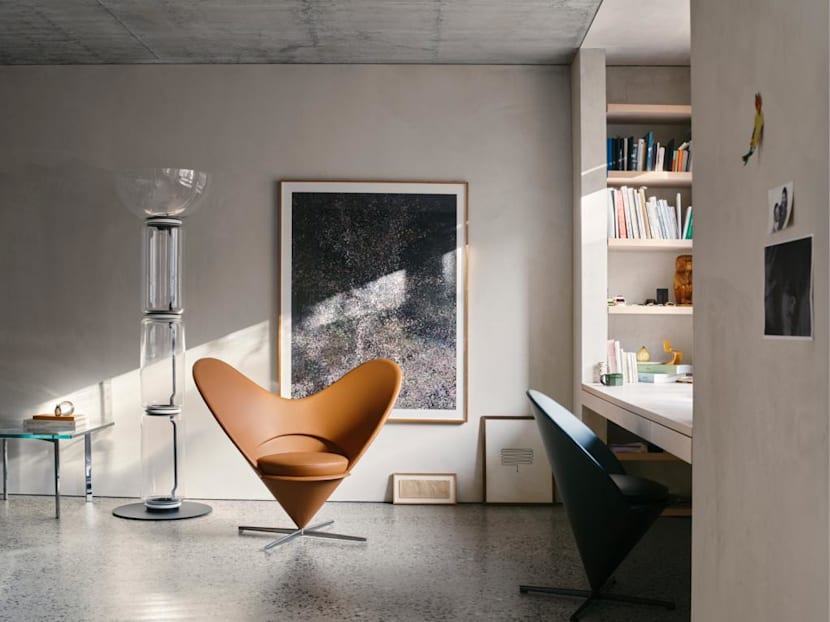
The Milan furniture fair brought together collectible design, reissued classics and new ideas for kitchens, bathrooms and living spaces – with comfort and craft at the centre. (Photo: Vitra)

This audio is generated by an AI tool.
Every April, Milan becomes the centre of the design world. At the fairgrounds of Fiera Milano Rho, Salone del Mobile Milano brings together the furniture industry’s biggest names, while Fuorisalone turns the city’s villas, galleries, boutiques and hidden courtyards into temporary showcases.
Together, they form Milan Design Week, which ran from Apr 20 to 26 this year. The 2026 edition of Salone del Mobile Milano drew 316,342 visitors from 167 countries, with 1,900 brands from 32 countries represented across the fair. As Maria Porro, president of Salone del Mobile Milano, put it: “The Salone does not merely bring the world of design together: it sets it in motion. It transforms attendance into relationships, content into opportunities, and complexity into direction.”
Among the new highlights was Salone Raritas, a showcase dedicated to collectible design. Its debut underscored how furniture, lighting and objects are increasingly being treated not just as functional pieces, but as works that explore materials, craft and ideas. Elsewhere, the International Bathroom Exhibition and EuroCucina showed how bathrooms and kitchens are being reimagined as spaces for rest, connection and everyday ritual.
Here are the trends and ideas that stood out, with insights from Singapore-based design voices.
SOFTER KITCHENS
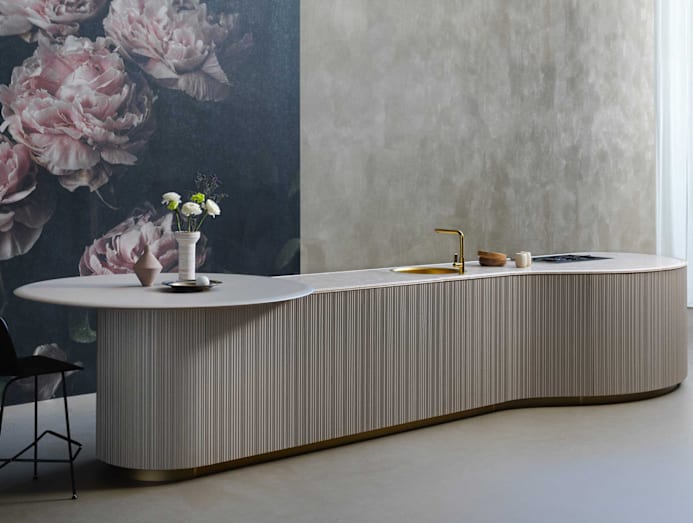
“Soft geometry is moving from furniture into the kitchen,” said Nikki Lim, associate director of business and brand development at Xtra. Cesar’s Tangram kitchen, designed by Garcia Cumini, shows this shift clearly. Its five curved modules can be combined with straight ones to create more fluid kitchen layouts, while curved cabinet doors complete the seamless look.
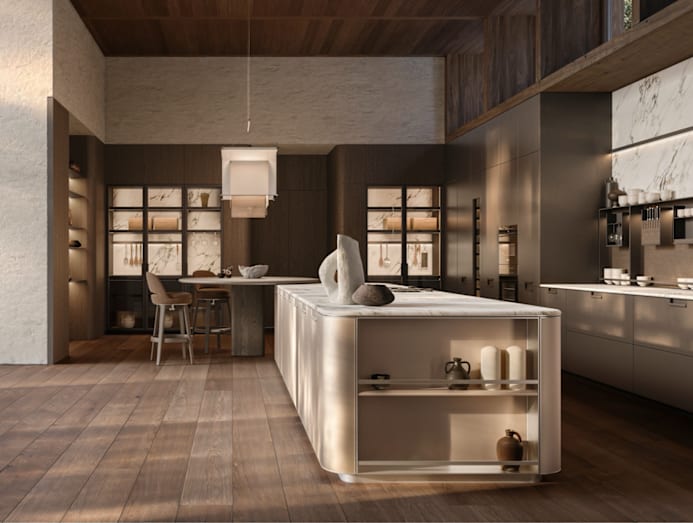
Molteni&C’s Physis kitchen brings Belgian architect and designer Vincent Van Duysen’s warm minimalism into softer territory. The island has rounded edges and built-in shelving, giving owners room to display objects while keeping the kitchen calm and sculptural. The tall units also come with curved corners, while hinoki timber adds natural warmth and is prized for its resistance to moisture.
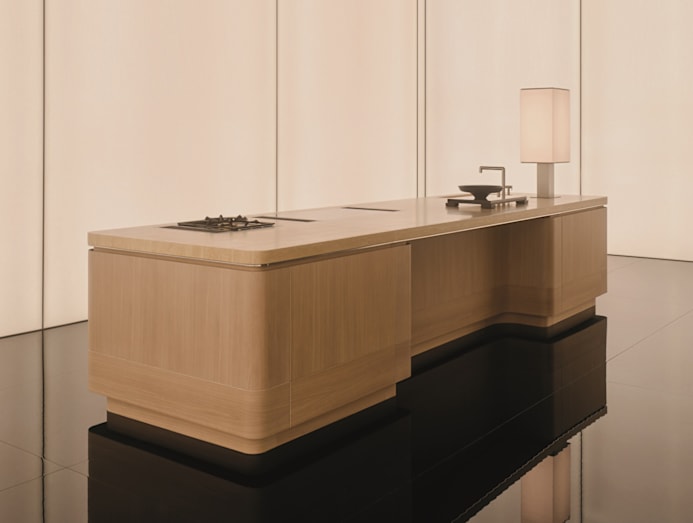
Poliform’s Harp kitchen island reflects the kitchen’s growing role as the heart of the home, both as a workspace and a design statement. Shaped more like a generous study table than a conventional worktop, it combines pale timber, soft curves, a marble countertop and brushed steel details. Available at Space Furniture.
BATHROOMS AS WELLNESS SPACES
The wellness economy reached US$6.8 trillion (S$8.71 trillion) in 2024 and is projected to hit US$9.8 trillion by 2029, and that interest in wellbeing is increasingly shaping the home. In the bathroom, the focus is shifting from pure function to rituals of rest and reset.
David Chipperfield Design’s Tambre bathtub for Agape, made in okume plywood, reinterprets the Japanese ofuro bath with a streamlined form that integrates a washbasin and seat. Available at VolumeFive.
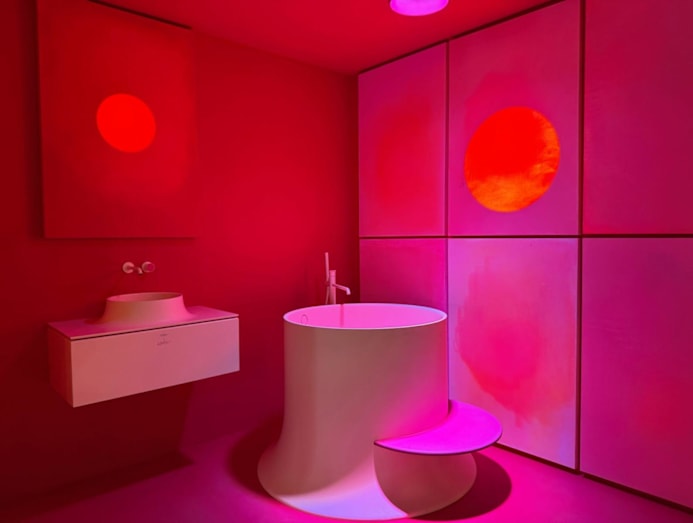
Singapore interior designer Stephanie Er of Cream Pie highlighted Alba, Karim Rashid’s vertical bathtub for PAA Baths. Named after the Italian word for “dawn”, the design was inspired by the stillness of sunset. Its monolithic form incorporates a step for easier access and allows the user to sit upright while bathing. Available at paabaths.com.
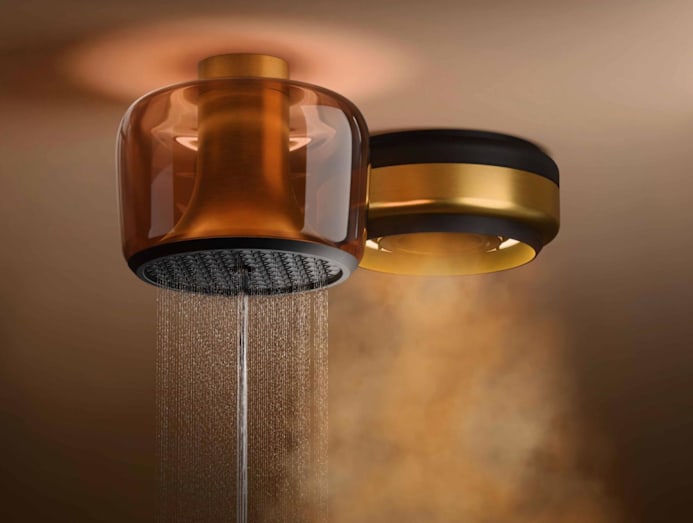
Molina Hun, interior designer and co-founder of Singapore firm Sojonohun, was drawn to Gessi’s Rituale del Vapore prototype, which lets users control the intensity of steam from an overhead shower. Paired with chromotherapy and aromatherapy, it brings the spa experience closer to home.
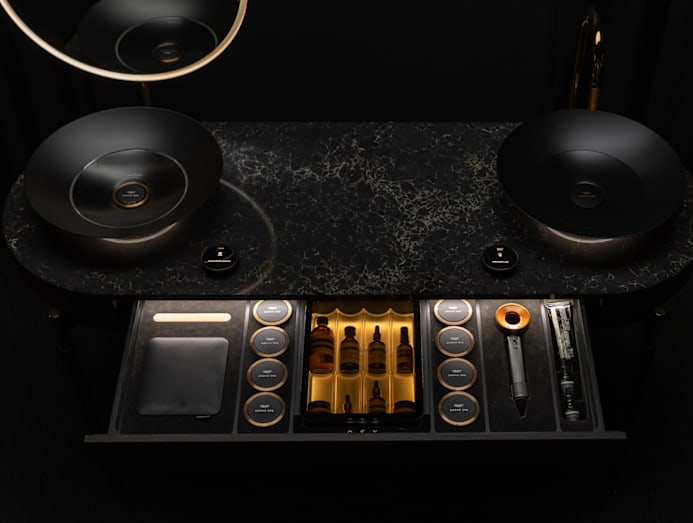
Grohe’s Spa Private Collection Vanity prototype takes a similar approach, with Aqua Pure Steam & Mist for the face, aroma capsules, customisable coloured lighting, preset rituals and a refrigerated compartment for skincare.
MARBLE GETS BOLDER
“The new pieces feel more expressive this year, less toned down than before. Marble selections went in that direction, with more movement, more presence to become a stronger focal point in the space,” Hun said.
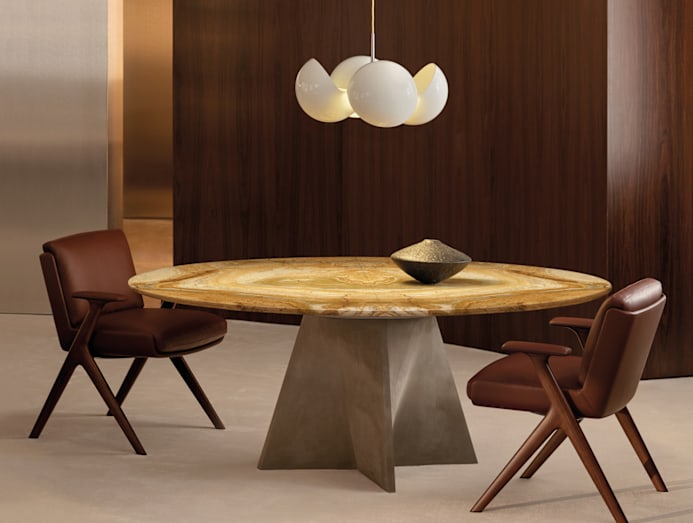
One example is Giampiero Tagliaferri’s Brutalist table for Minotti, which pairs Grigio Orobico, Calacatta or Palomino marble tops with an asymmetrical concrete base. Available at Marquis Interiors.
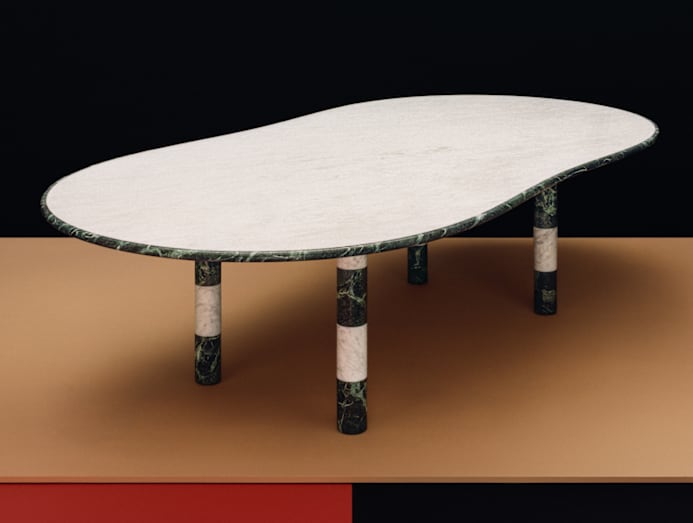
The Hermes Stadium d’Hermes table offers another striking use of marble. Designed by Barber Osgerby, it is made entirely in marble marquetry, with a figure-of-eight-shaped top in Carrara Venato and Verde Alpi inlays. Two-tone “jumping” motifs on the slim legs nod to the house’s equestrian roots.
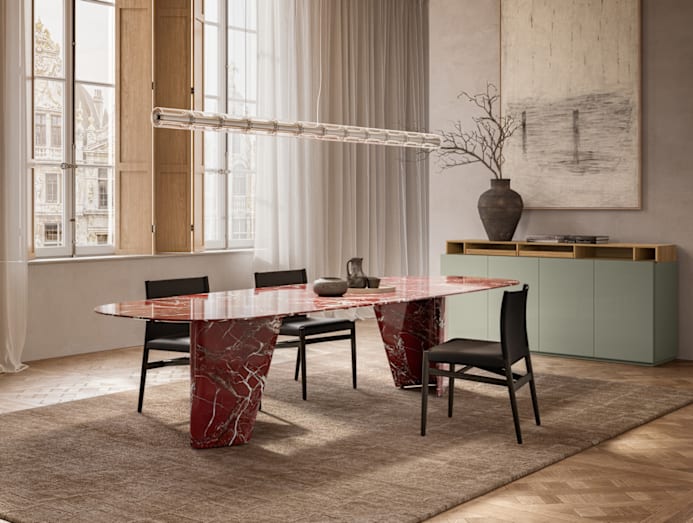
Carlo Colombo’s Traverso table for Lema brings the drama of marble into the dining room, with both the tabletop and legs made from the stone. For a more sustainable option, the legs can also be made in Re-Glassing, a regenerated glass material derived from decommissioned solar panels. Available at W. Atelier.
MODULAR SEATING LOOSENS UP
Modular seating is becoming more expressive, with pieces that can adapt to different homes, habits and stages of life. Xtra also noted “a move away from rigid minimalism toward tactile escapism in soft, organic silhouettes and oversized upholstery to address a growing domestic need for sanctuary and psychological comfort”.
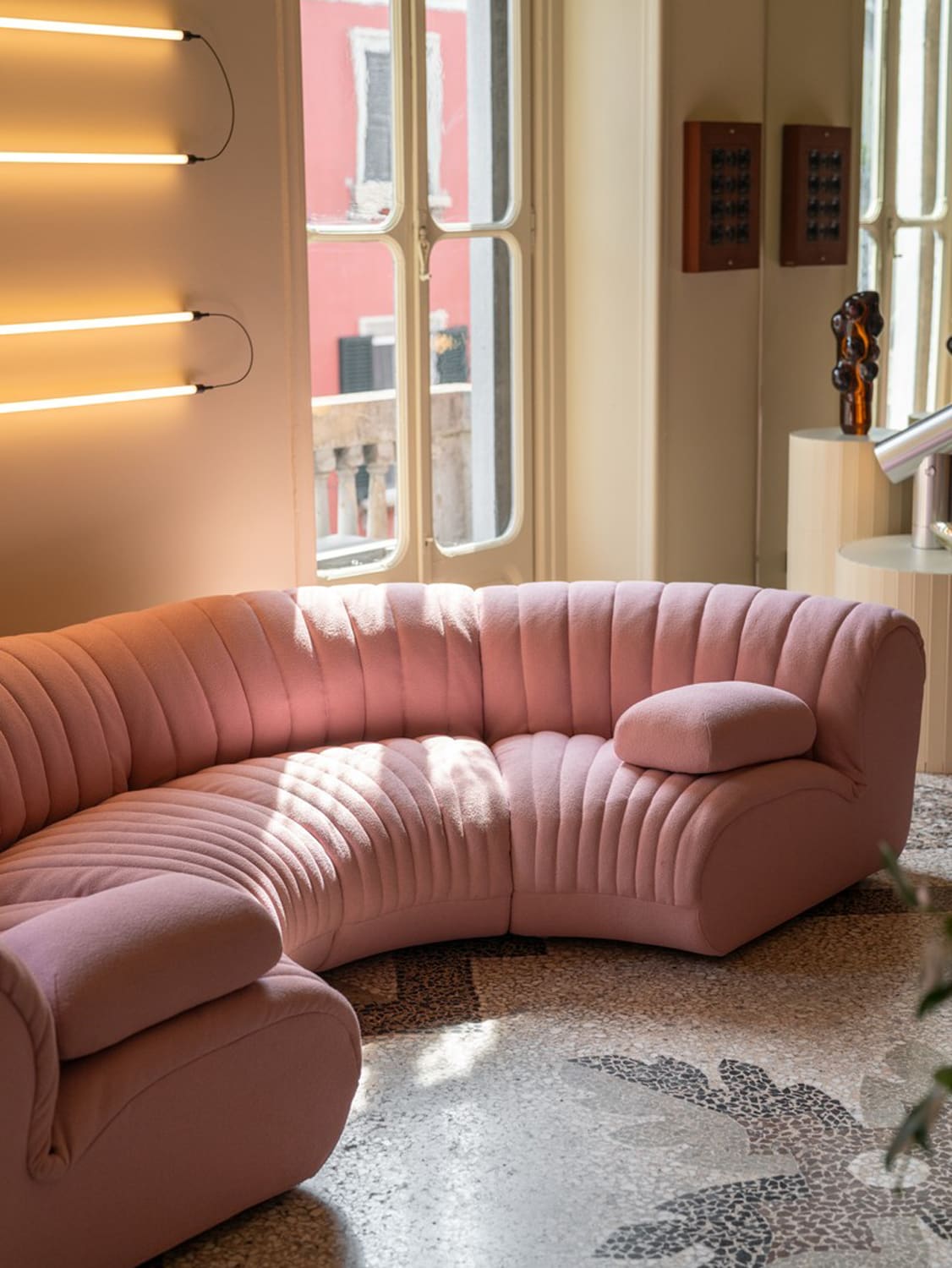
Muuto’s Coltre Modular Sofa, designed by Milanese studio Studiopepe, captures that mood with its generous proportions and soft, enveloping form. Available at Xtra.
Singapore designer Gabriel Tan’s Soft Stone sofa is designed to be seen from every angle. Its 11 modules can be arranged into asymmetrical compositions, creating a seating system that feels almost like a three-dimensional puzzle. The design was inspired by the staggered stone blocks of Parque da Cidade in Porto, as well as the sculptural work of American artist and landscape architect Isamu Noguchi. Available at Space Furniture.
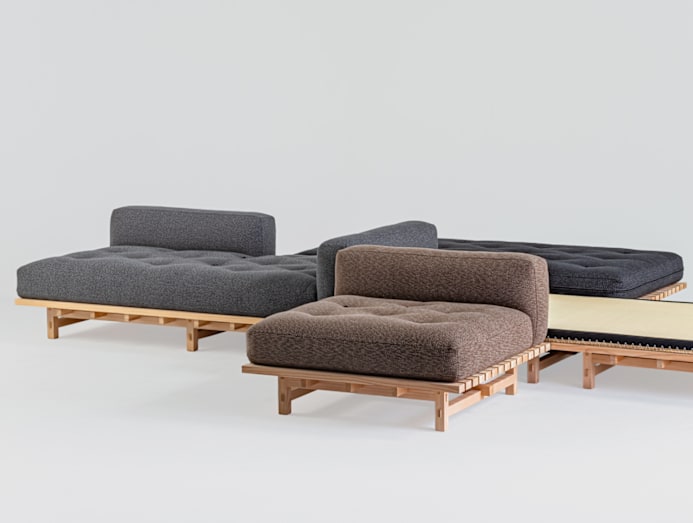
Time & Style offers a quieter take on modular seating with Stone Garden, a system inspired by Japanese living and architecture. Its cedar structure recalls the eaves of Zen temples, which frame views of stone gardens. Low, horizontal elements also reflect the Japanese tradition of sitting on tatami mat floors. Available at timeandstyle.com.
SUSTAINABILITY BECOMES STANDARD
Sustainability may no longer be the headline it was in the years after the pandemic, but it remains central to many new launches. At Milan Design Week, recycled materials appeared in pieces such as Barber Osgerby’s Snik chair and Erwan Bouroullec’s Lad shelving system for Kartell, which uses recycled technopolymer for some components. Available at Space Furniture.
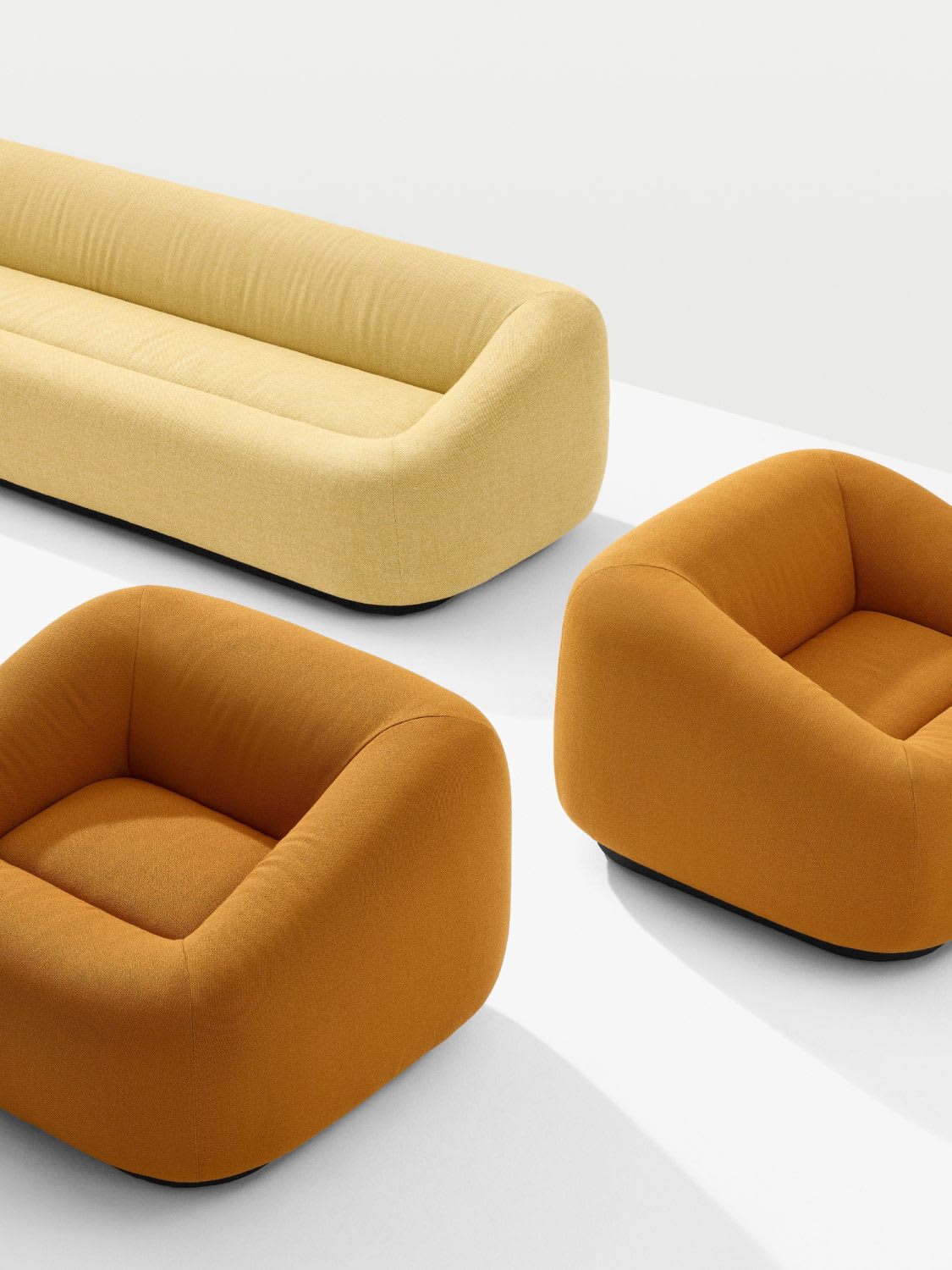
Jean-Marie Massaud’s Aom collection for Arper is designed to use as little material as possible. It is made from two main components: a lightweight expanded polypropylene structure and Breathair, a recyclable polyester elastomer that replaces conventional polyurethane padding. The pared-back construction also makes the pieces easier to assemble. Available at Stylecraft and Equate Furniture.
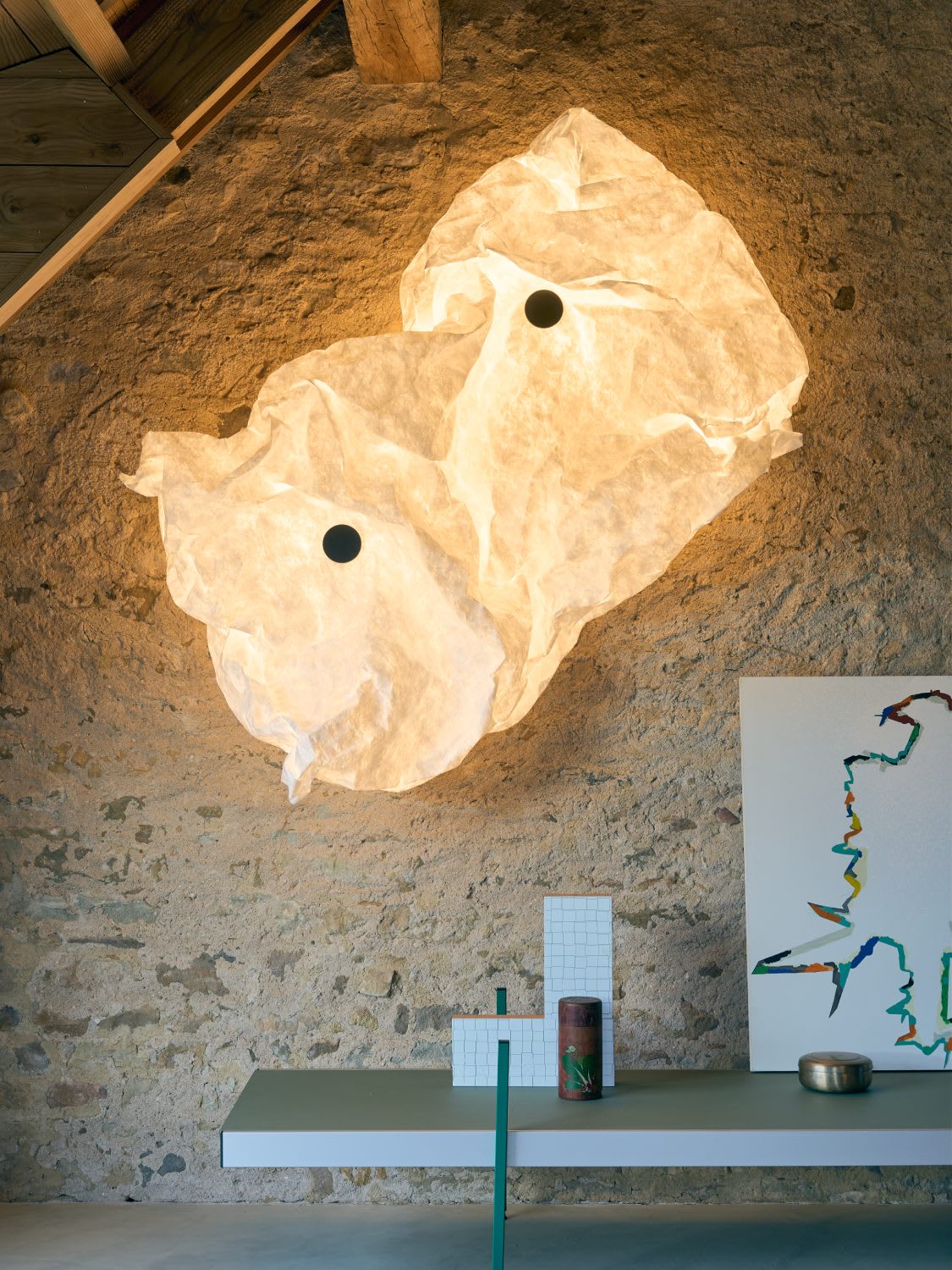
Flos’ Maap lamp, designed by Erwan Bouroullec, also stretches the idea of what a lamp can be. Light is diffused across a fabric-like Tyvek surface stretched over a metal structure, while four black buttons hold its changing configurations in place. Inspired by geometry and natural forms, Maap sits somewhere between lamp, artwork and illuminated surface. Available at Grafunkt.
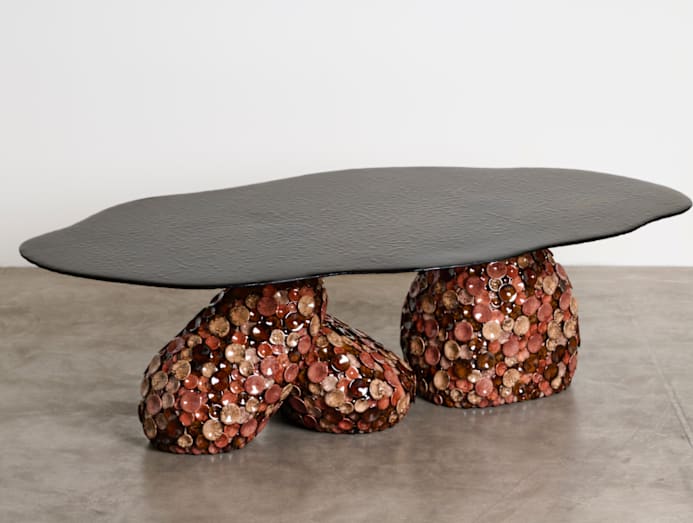
The same spirit of experimentation appeared at Salone Raritas, where Andrea Mancuso’s Terrario tables for Nilufar drew on the miniature worlds of terrariums. Digitally modelled, oversized stones and logs are rendered in ceramic, turning a familiar natural scene into something strange and sculptural. Available at nilufar.com.
DESIGN MASTERS REVISITED
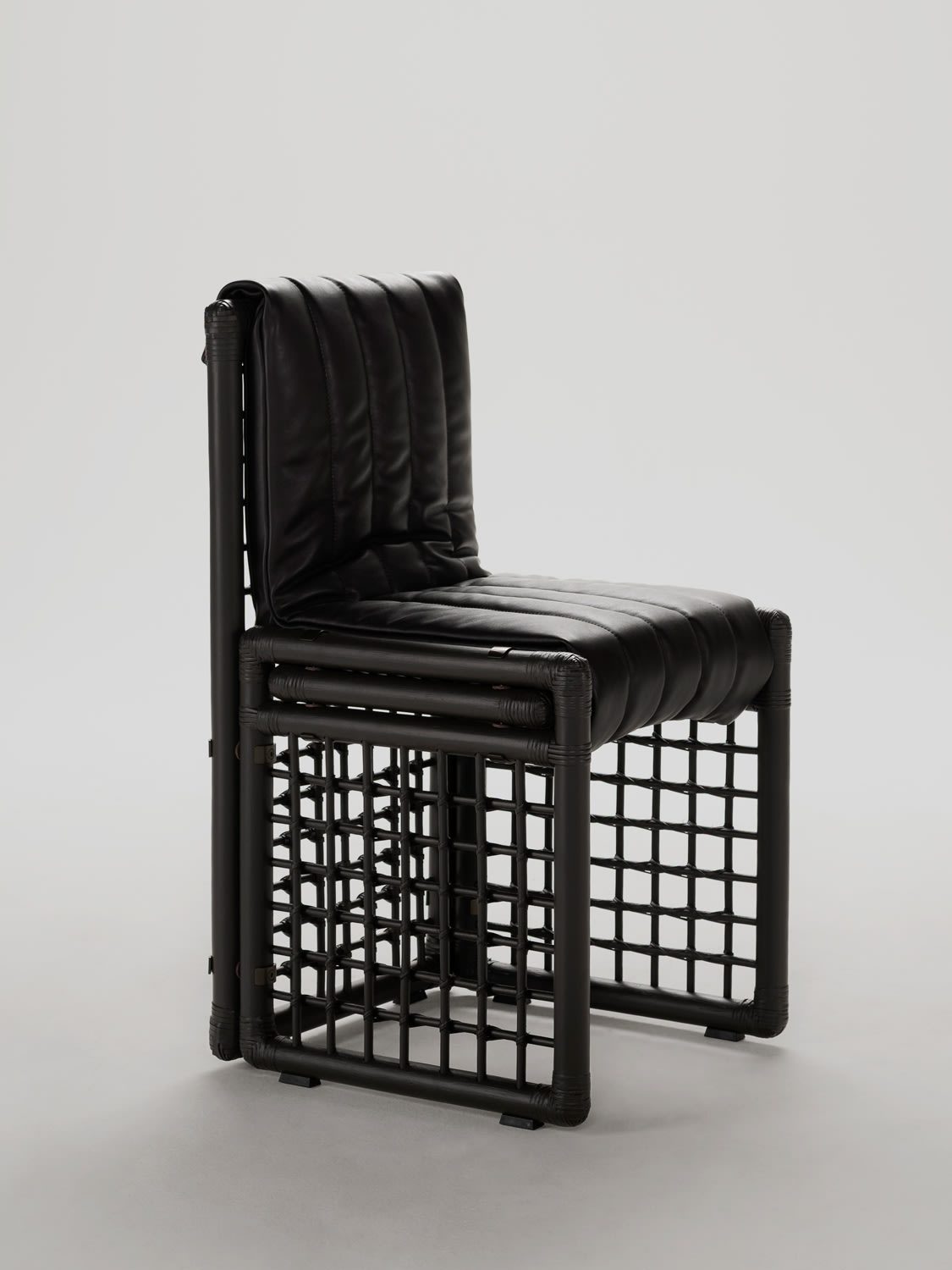
For several years now, many brands have revisited designs by past masters, bringing renewed attention to craftsmanship, materials and construction. Tacchini’s reissue of Afra and Tobia Scarpa’s Basilan chair is one example. Originally designed in 1974 for B&B Italia, the adaptable seat featured modular rattan panels; in the updated version, the weaving is reinterpreted in leather strips. Available at Xtra and Made&Make.
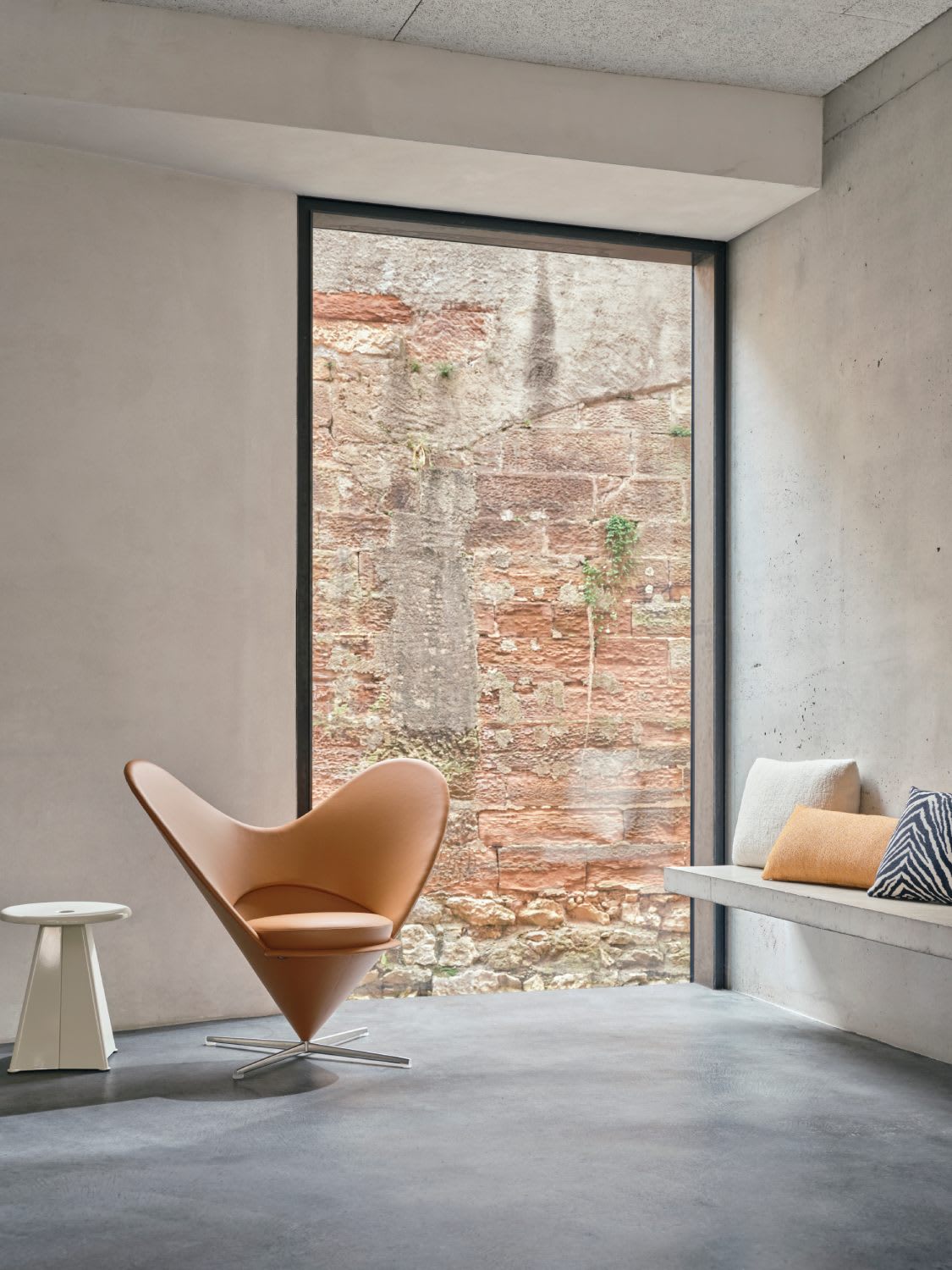
Some reissues come with memorable backstories. Verner Panton’s Cone Chair, designed in 1958 and now manufactured by Vitra, was created for the restaurant of the Kom-Igen hotel in Denmark. Reissued around the Danish designer’s centenary, the chair now comes in new fabrics and a Leather Premium finish. Available at W. Atelier.
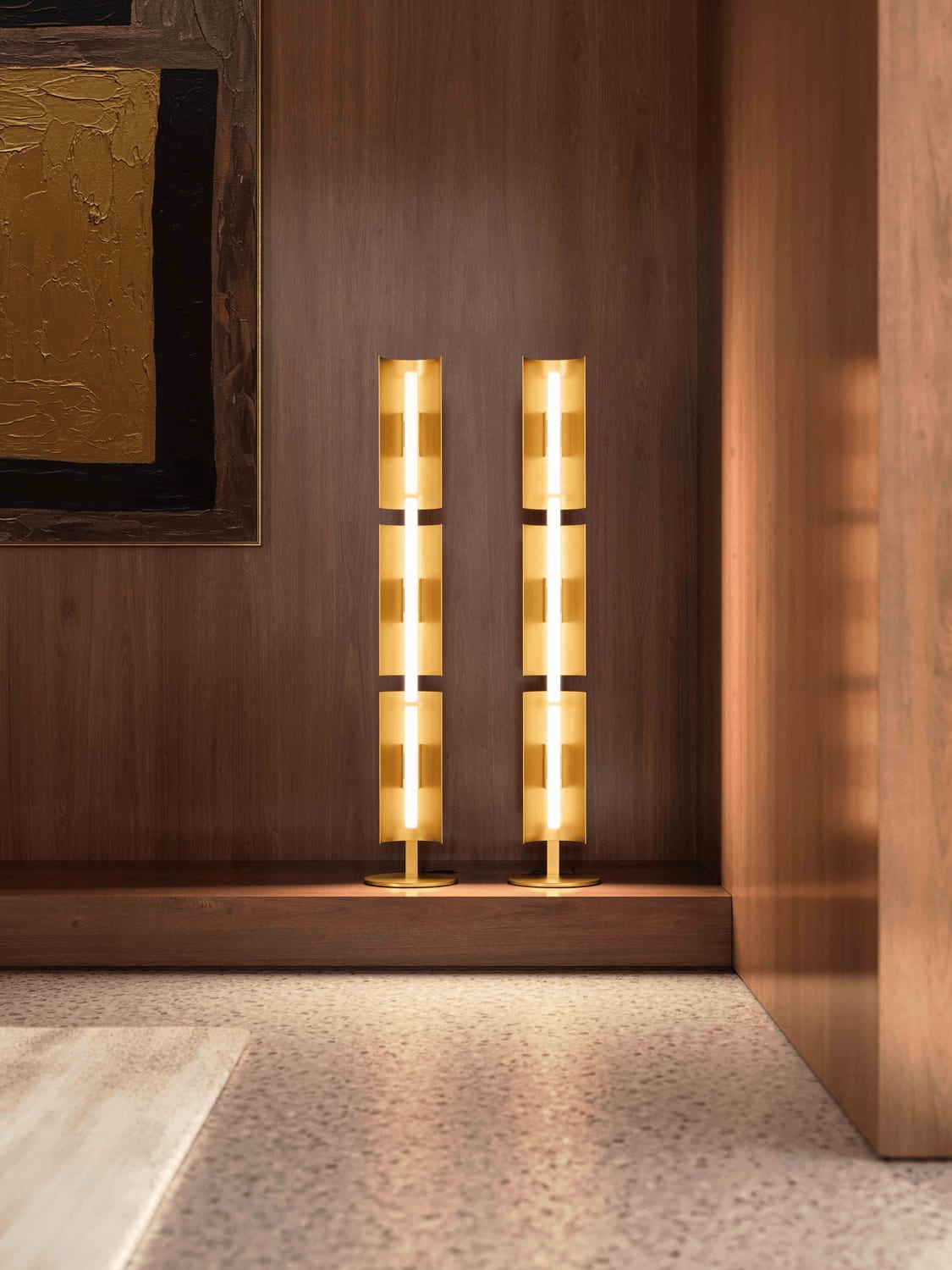
At Poltrona Frau, Gio Ponti’s Oro floor lamp was produced for the first time. The Italian architect, artist and designer had sketched it in 1956, but the design remained in his archives for decades as part of a series exploring geometric forms. Oro, Italian for “gold”, features a satin brass finish and curved metal panels illuminated by three vertical light tubes. With modern LED technology, the totemic piece sits between sculpture and functional lamp. Available at Proof Living.