Affordability a major element in fare formula review
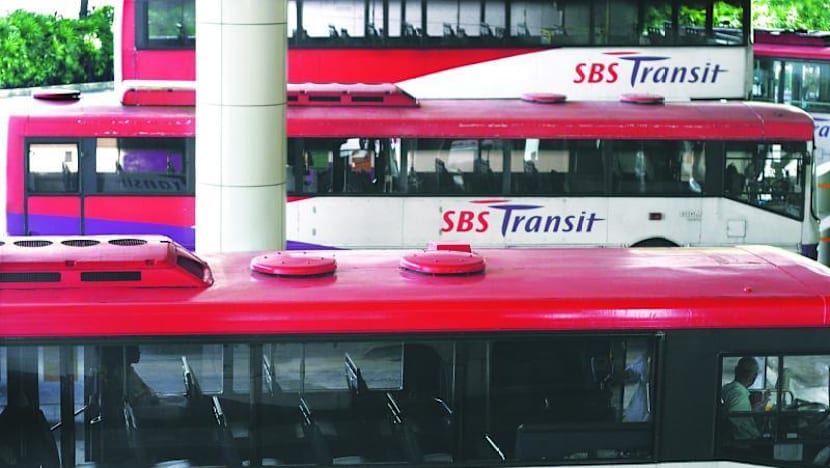
TODAY file photo




SINGAPORE — With the restructuring of the bus industry, the Public Transport Council (PTC) said it will continue to regulate and set fares for public buses by taking into consideration the revenue collected by the Government and fees paid to the operators under the new bus contracting model.
Previously, public transport operators submitted applications for a fare review to the PTC, which uses a formula to set fares. With the shake-up of the bus industry, the formula — due to expire next year — will be reviewed.
“It will take into account the transition to the bus contracting model and evolving changes to the cost environment and operating structure of the public transport operators,” said the PTC.
Currently, the fare formula is pegged to changes in the Core Consumer Price Index, the Wage Index and the Energy Index over the preceding year.
On the fare formula review, PTC chairman Richard Magnus said a major consideration would be affordability. “That’s very critical for us,” he said.
Changes to the PTC Act came into effect today (Jan 22), marking the start of PTC’s new role as adviser to the Transport Minister. The council will retain its role of setting the fares for buses and trains.
The changes come in the wake of the transition to the Government bus contracting model under which assets and infrastructure, such as buses and depots, are owned by the Government. The Land Transport Authority contracts bus operators to run the services through a tendering process. Operators are paid fees to run these services, while fare revenue is retained by the Government.
Transport analysts interviewed by TODAY said there is a strong likelihood that fares would remain affordable after the new model kicks in, not least because of public expectations that fares be kept low. However, higher government subsidies would be needed, they added.
SIM University senior lecturer Walter Theseira noted that “there will likely be quite a bit of public pressure to maintain cheap fares across the board”. “So I expect that higher operating subsidies will enter the equation sooner rather than later,” he added.
Agreeing, National University of Singapore transport researcher Lee Der-Horng said the Government would have to take public expectations into account as it finds a balance between funding the bus system through public subsidies and revenue from fares. He does not expect drastic fare hikes, although this means that the Government “may need to subsidise a lot”.
Nevertheless, Dr Theseira noted that while many public transport systems depend on public subsidies for their operations, such systems are “often not financially self-sustaining”.
SIM University adjunct associate professor Park Byung Joon said the PTC’s role would then be to strike a balance between keeping fares low and ensuring the system’s sustainability.
“If we keep the fares very low, the total fare revenue is not going to be that high. Then the portion for the government (subsidies from) taxpayers’ money is going to go up,” said Dr Park.
While this would keep fares affordable for commuters, “the question then (is) if this is going to be sustainable” for the system, he added.