Apple Pay is coming to Singapore
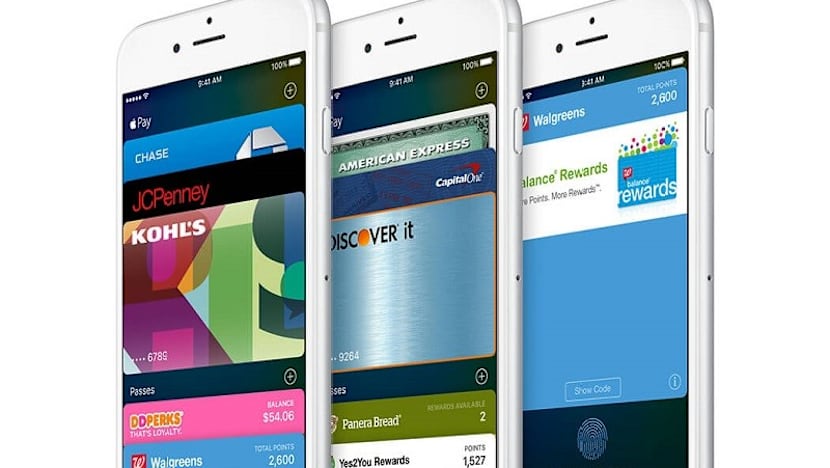
Photo: Apple via Macrumours.com


SINGAPORE — Apple is teaming up with American Express to bring its mobile payment and digital wallet service, Apple Pay, to Singapore next year.
Available only in the United States and the United Kingdom, Apple Pay allows users to connect their credit or debit cards to a mobile wallet. Then, iPhone, iPad or Apple Watch users can pay at stores where terminals with near field communication (NFC) technology are available.
By the end of this year, the service will be made available to other “key global markets” including Canada and Australia, and from next year in Spain, Singapore and Hong Kong, American Express said in a statement yesterday (Oct 27).
Apple Pay can also be used to pay for items within apps. Some of the companies that have integrated the service into their apps include Target, Airbnb, Uber and Amazon.





Amex added that cardholders who use an eligible American Express Card with Apple Pay will get real-time notifications and details for purchases, as well as a seamless connection to the Amex Mobile app for enhanced account monitoring, servicing and access to available rewards and offers.
There has not been news on whether Visa or MasterCard will secure similar agreements to facilitate Apple Pay in Singapore or the other countries listed above, making the international rollout somewhat limited in its scope.
Separately, Apple yesterday turned in another quarter of enviable revenue and profit growth, fuelled by sales of the iPhone.
Overall, Apple posted a profit of US$11.1 billion (S$15.5 billion) for its fiscal fourth quarter, up 31 per cent from a year ago. Revenue was US$51.5 billion, up 22 per cent from last year. Yet while its performance was bolstered by sales of the iPhone — Apple said that it sold 48 million iPhones in the quarter, up from 39 million in the same period last year — the company was more cautious about sales for the key holiday sales period.
Apple projected revenue of US$75.5 billion to US$77.5 billion for the end-of-year quarter. While the sheer numbers are huge, the low end of the forecast fell below Wall Street estimates and would amount to anaemic growth of less than 4 per cent from a year ago. The last time Apple’s quarterly sales fell below 4 per cent was in mid-2013.
The growth question is a quandary created by Apple’s own success. The company has gotten investors accustomed to double-digit growth rates and enormous profit. That sets a high bar for Apple to clear each time and creates tough comparisons to beat.
Apple’s holiday quarter last year was enormous, driven by the unveiling of the larger-screen iPhone 6 Plus, analysts said, making it difficult to compare to this time around.
To keep up this kind of growth, analysts said Apple had only a few levers to pull: Attract more first-time customers, get more people to switch from rival Android-based phones, and continue to grow in China.
The company did not break out sales of the Apple Watch, which debuted in April. But the category called “other products” — which includes the watch — posted US$3 billion in revenue in the quarter, up from
US$2.6 billion in the previous quarter, which was the first quarter that included sales of the device. WITH AGENCIES