Celestial show: View Saturn, Mars, Jupiter from Science Centre’s telescopes this Saturday
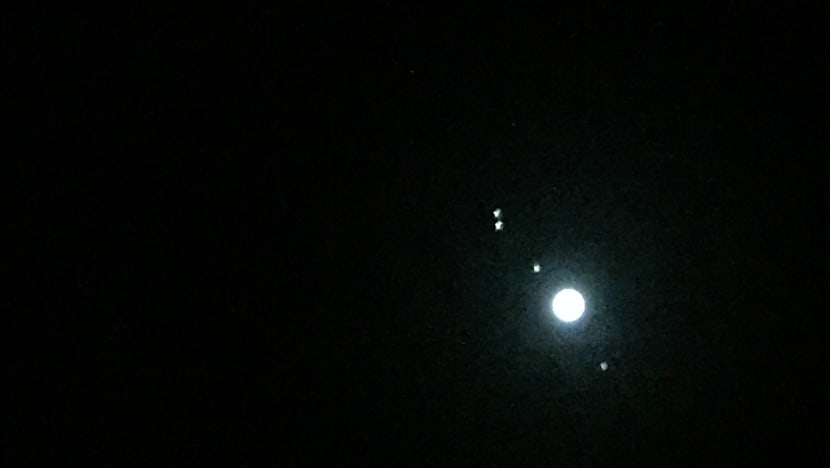
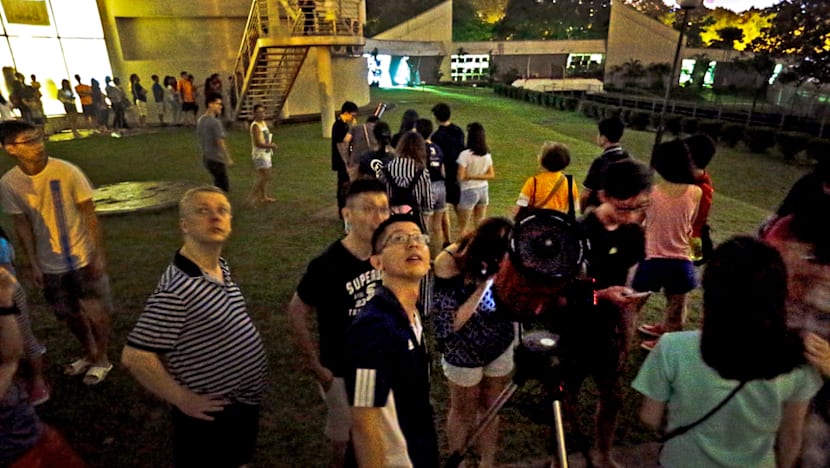
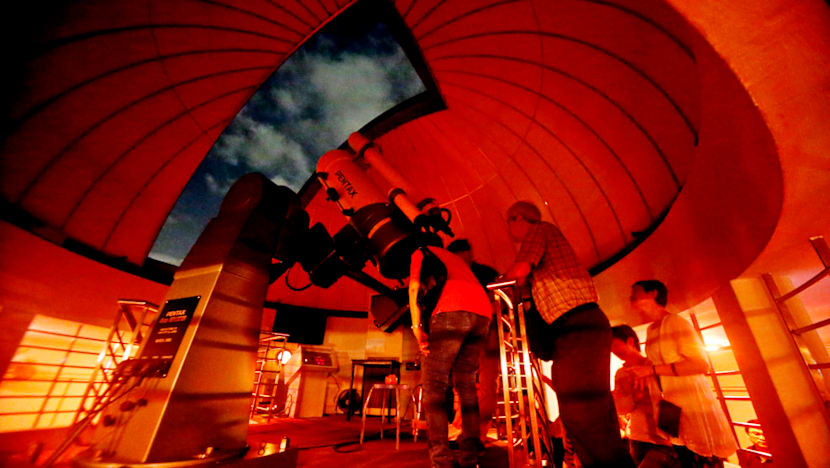
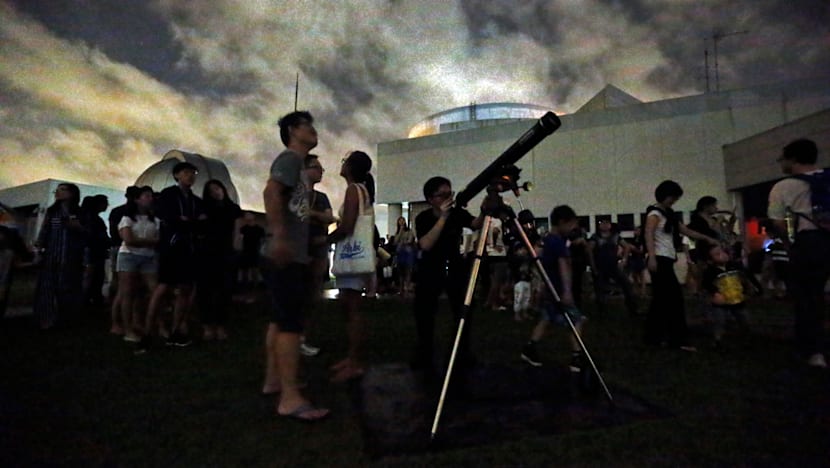
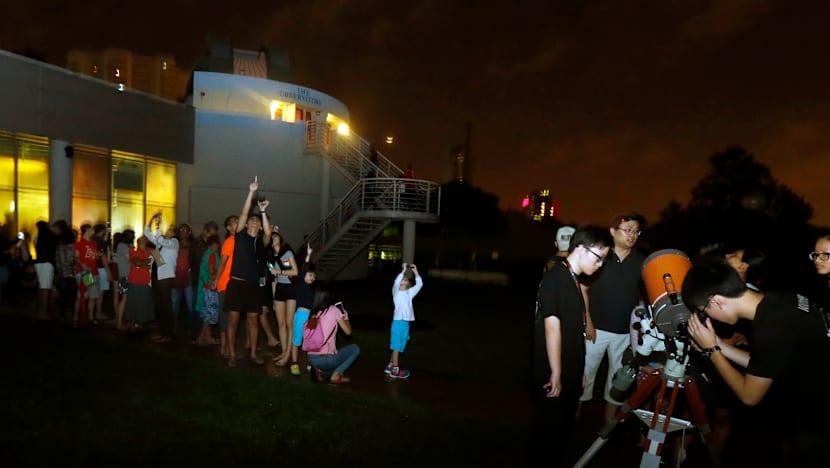
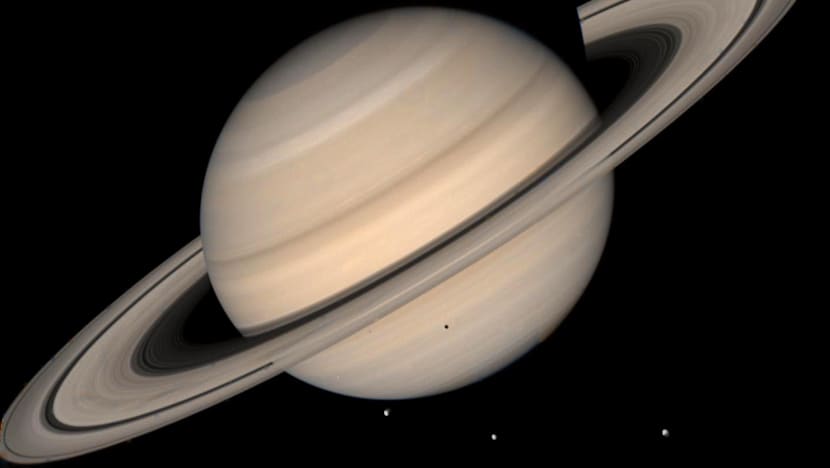
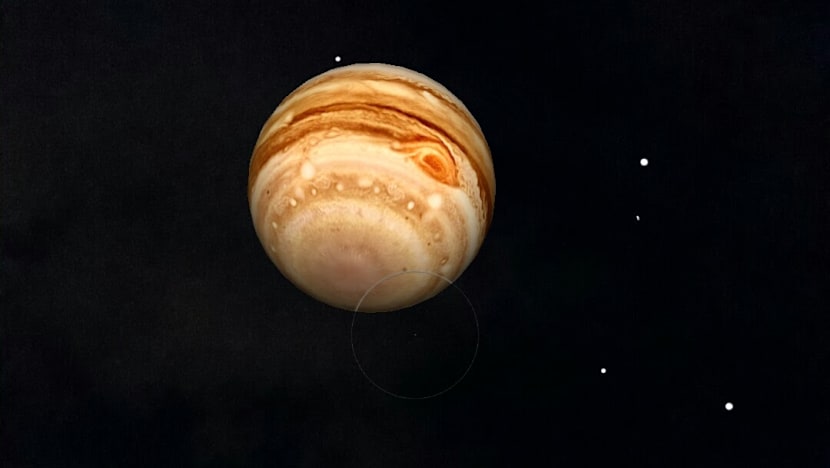
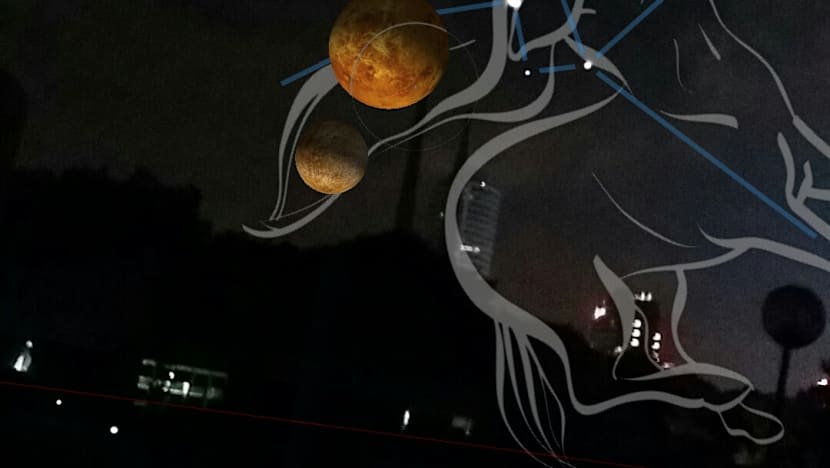
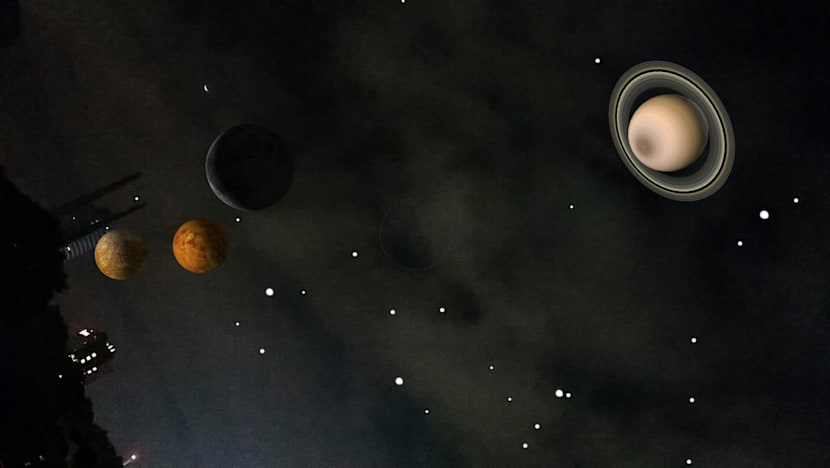
SINGAPORE — Want to see the rings of Saturn upclose? This Saturday (Feb 6), Science Centre Singapore will open up its observatory to the public for a planet gazing session, where close-up views of Saturn, Mars and Jupiter can be seen through the observatory’s telescopes.
The session will be held from 5.30am to 6.30am. No registration is required and admission is free.
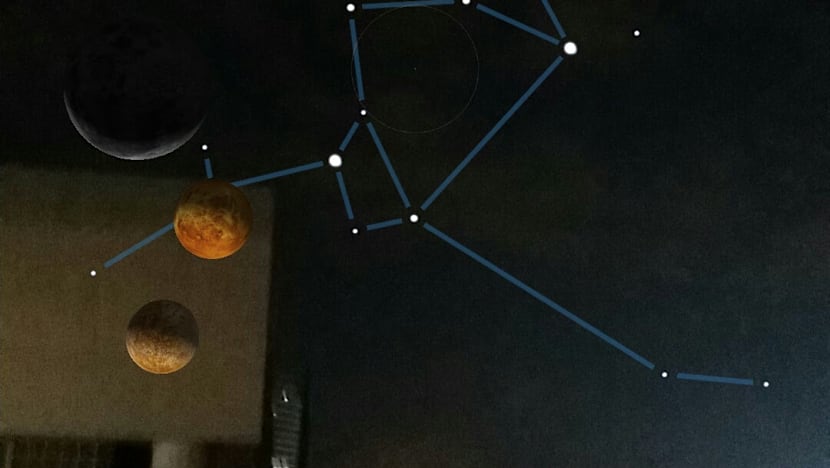
This gazing session is in conjunction with a rare astronomical alignment that Singaporeans have been able to view since Jan 20, as five planets — Jupiter, Mars, Saturn, Venus and Mercury — appear together in the skies for the time in a decade.
While this weekend is expected to offer one of the best views of the five planets — Mercury will be located near both the Moon and Venus, making it easier to spot compared to the past few days — those at the science centre will unlikely be able to see Venus and Mercury, however, as trees and buildings will block the view.





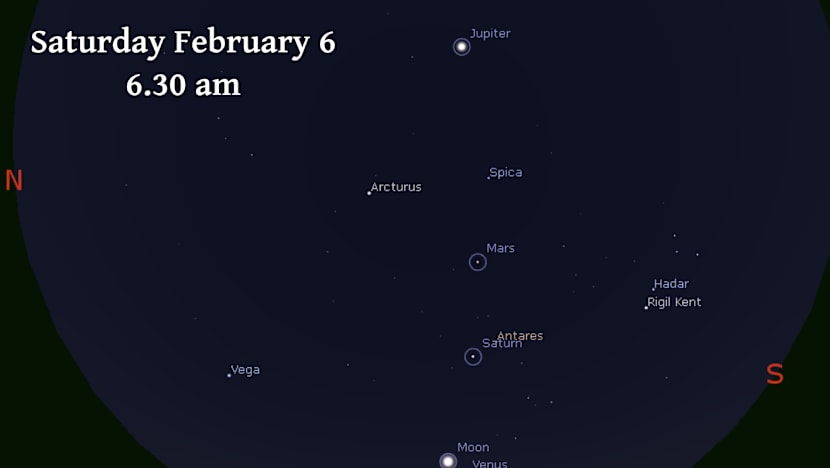
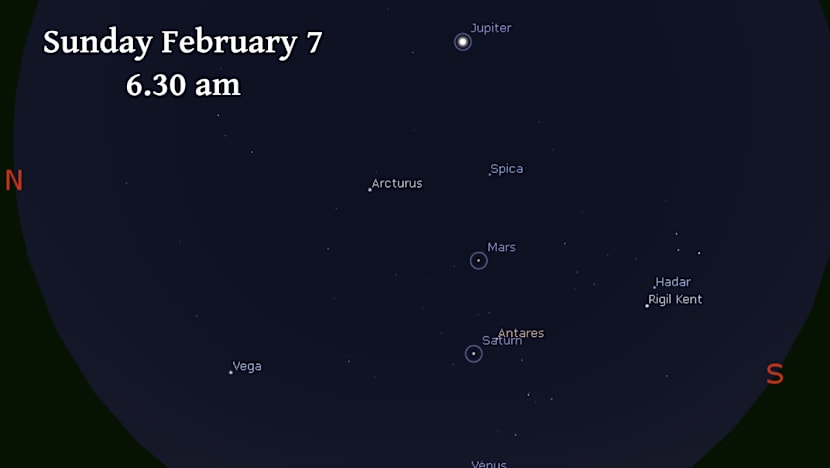
(Photos: Science Centre Observatory)
Nonetheless, the Science Centre’s telescopes can give you a good view of the rings of Saturn.
Those unable to go to the Science Centre can see all five planets from other locations in Singapore, weather permitting.
One of the best places to view the planetary parade will be at East Coast Park. The planetary parade can also be viewed from one’s home, if there is a high and unobstructed view to the Eastern horizon.
When it comes to spotting the planets, Dr Cindy Ng, a Senior Lecturer at the Department of Physics at the National University of Singapore told TODAY previously that the planets do not appear to twinkle like the stars.
“Venus appears brightest, followed by Jupiter, and both Venus and Jupiter appear brighter than all the stars. Mars appears reddish, and both Mars and Saturn appear faint. Mercury appears very faint and very close to the Sun. An average person can also use an astronomy mobile app to locate the planets in the night sky. Many such mobile apps are free and are user friendly,” Dr Ng had said.