Customers in a bind after furniture seller goes missing
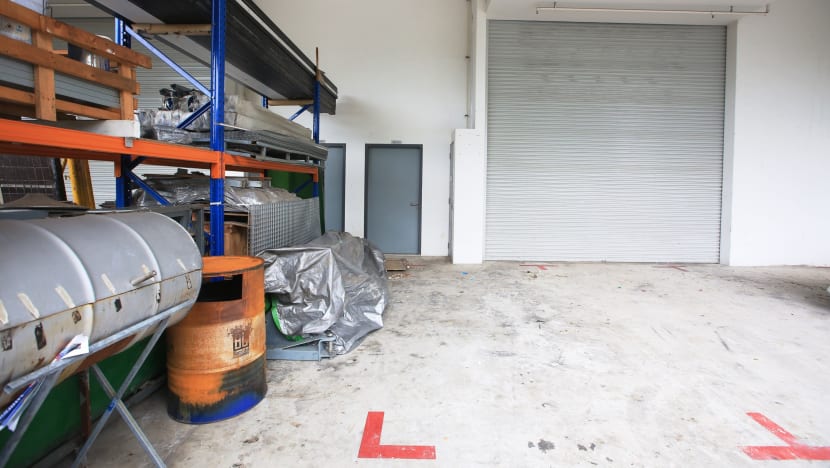
The office of Royal House (The Rome Gallery) seen shuttered on Sept 20. Photo: Koh Mui Fong/TODAY


SINGAPORE — Several customers have been left in the lurch after furniture retailer Royal House (The Rome Gallery) disappeared with thousands of dollars in paid deposits for items that were never delivered.
The Consumers Association of Singapore (Case) is looking into four cases filed from January, on top of 48 cases of feedback and enquiries, involving payment contracts ranging from S$500 to S$6,500.
Royal House had set up a booth at Singapore Expo in June and July, its customers told TODAY, and they paid between S$500 and S$2,288 as deposits for furniture they had bought. Calls by TODAY to the company were unanswered, and its office was empty.
Customers claim that the company’s managing director gave “excuses” for the delay, citing delivery problems and a backlog of orders, before he eventually could not be contacted.





One customer, a 50-year-old engineer who gave his name only as James, said he was shopping for a new sofa set at Expo in early June and was served by two salesmen. He was told the sofa would arrive the following month, and made a full payment of S$2,288.
Closer to the delivery date, around the Hari Raya Puasa period, he was directed to the firm’s managing director Gary Chia, who claimed there were problems with delivery because staff members at the factory in Malaysia were not working. Later, he mentioned other issues such as securing an export permit and having a “backlog” of orders as reasons for the hold-up.
This went on until early August, until Sept 2 when Mr Chia sent out a text message saying that the company had run into “financial difficulties” and it “could no longer operate”.
James, who lodged a police report, said that Mr Chia did not answer calls, but he heard that the company was still hosting fairs in August. The police do not have sufficient evidence to take further action, he added.
Another customer, a 30-year-old global recruiter who did not want to be identified, paid an S$800 deposit for a S$1,500 sofa in end July at Expo. She later learned that the company closed down, and found others in a similar bind when she went online. “I wouldn’t have expected this thing to happen in Singapore, let alone at Expo .... how come there’s nothing (the authorities) can do?”
Mr Seah Seng Choon, executive director of Case, said: “Case’s powers are limited to negotiation and mediation, and this cannot be done if the company does not respond to us.”
To ensure that consumers do not fall prey to “questionable practices”, he urged furniture-fair organisers to play their part in checking their exhibitors’ credentials, or to explore imposing checks and safeguards against furniture exhibitors, such as having a policy to look into the background of newly registered vendors.
He also advised consumers to pay only upon delivery of goods, or to pay a low deposit because “there is no way to guarantee that the business delivers on (its) promise”.
This is especially if the business or the fair organiser does not have the mechanism to protect prepayments by consumers. Case is advising the affected consumers to consider filing a claim with the Small Claims Tribunals, or to file a police report if they suspect fraud is involved.
Mr Steve Liew, 35, an aviation engineer who placed a S$1,388 deposit for a dining table and a bed frame, and even went down to the company’s warehouse (which is now empty), said: “It’s a big sum of money, and as a small consumer, it’s already (too expensive) for us to get a lawyer … That’s why I think these (companies) are getting away (scot-free).”
Last week, Parliament passed changes to consumer laws — to take effect by the end of 2016 — giving Spring Singapore, a statutory board under the Trade and Industry Ministry (MTI), more powers to go after errant retailers. The agency can order shops to hand over information for investigations and enter their premises to take evidence. Case will be able to inform Spring on problematic retailers for investigation and Spring can submit injunction applications against the retailers to the courts.
In July, Case president Lim Biow Chuan told TODAY that Case has recommended that the MTI regulate the Consumer Protection (Fair Trading) Act for collection of prepayments, because of increasing cases of “businesses being liquidated after taking large amounts of deposits” and consumer protection is inadequate. MTI said that it would review the feedback on prepayment protection.