Dads, unwed mums to get extended leave benefits
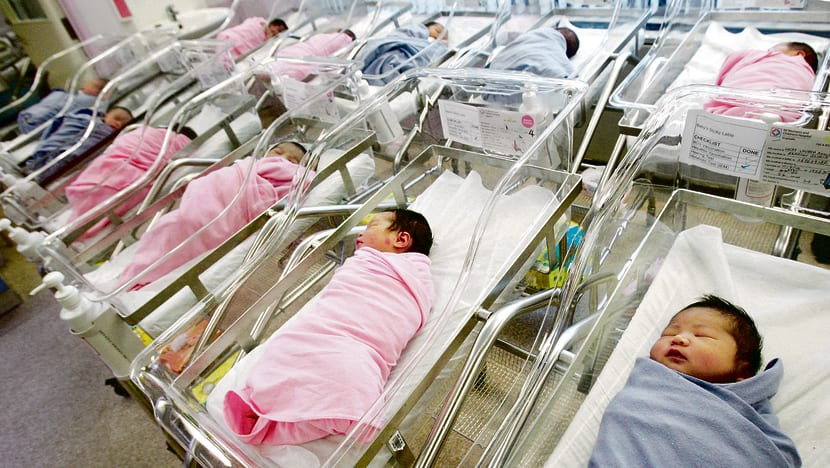
As part of the amendments to the Child Development Co-Savings Act (CDCA) that were passed in Parliament on Thursday (Nov 10), fathers will be legally entitled to a second week of government-paid paternity leave from January, while unwed mothers will also finally see the full 16-weeks of maternity leave benefits extended to them. TODAY file photo


SINGAPORE – As a second week of paternity leave was passed into law on Thursday (Nov 10), parliamentarians renewed calls for greater support for dads to make use of the entitlement.
The amendments to the Child Development Co-Savings Act (CDCA) approved on Thursday also widen the use of shared parental leave, letting fathers take up to four weeks — up from one — out of the 16 weeks of maternity leave given to their spouses.
The latest legislative changes give fathers up to eight weeks with their newborns — including six days of paid childcare leave and one week of unpaid infant care leave — said Minister for Social and Family Development Tan Chuan-Jin, who stressed the importance of paternal presence in a child’s formative years.
From January, unwed mothers will also get the full 16 weeks of paid maternity leave, up from the current eight. Adoption leave will also be increased from four to 12 weeks, starting July.





The Government introduced one week of legislated paid paternity leave in 2013 and a second week was introduced on a voluntary basis last year. This second week will be available to all fathers, for babies born from January next year. The loosening of shared parental leave kicks in for babies born from July 1.
While they welcomed the move, Members of Parliament (MPs), including Mr Louis Ng (Nee Soon GRC), urged the Government to look into why relatively few fathers took time off from work to help care for their newborns — the rate last year was about 40 per cent.
Mr Desmond Choo (Tampines GRC) added that beyond sending a “strong signal” of support through legislation, more can be done, such as conducting an in-depth study on the constraints that companies and fathers face in making use of the paternity leave entitlement.
In response, Mr Tan said more fathers have started doing so — from 38 per cent in 2014 to 42 per cent in 2015. The progress was “not bad”, but hopefully, more fathers will take time off when they have a new baby, he added.
It is important for children to have a stable environment, with their father being active and present to make an impact in their formative years, stressed Mr Tan. “Mothers usually are there, but fathers need to be there as well. This is something that we can encourage and support but ultimately the individual parents must make those choices.”
Mr Tan also addressed Mr Seah Kian Peng’s (Marine Parade GRC) call for greater support in housing options for unwed mothers, such as waiving the 35-year-old floor for singles to buy a HDB flat.
The minister said public housing policy recognises the traditional family unit but there are various existing housing options for unwed mothers.
In response to queries, a spokesperson from the Ministry of Social and Family Development said that out of 33,725 citizen births last year, 345 were registrations by single moms, and 518 were by women not married to the father named in the birth certificate. Fewer than 5 per cent of adoption applications are by unwed persons.
On unwed mothers could get more financial help, such as the extension of Baby Bonus cash gift and tax benefits, Mr Tan listed the measures available to this group, such as the Medisave grant for newborns, and infant and childcare subsidies. All working parents get infant care leave, child care leave and extended childcare leave, he added.
Programmes like KidSTART — which supports vulnerable children of low-income families, including counselling services and matching them to community resources — go further in providing support, Mr Tan said.
Correction: An earlier version of this report stated that unwed mothers will get the full 16 weeks of maternity leave, up from the current eight. The comparison refers to paid leave. Unwed mothers are currently also entitled to four weeks of unpaid maternity leave. We apologise for the error.