Link between talcum powder, ovarian cancer inconclusive, says HSA
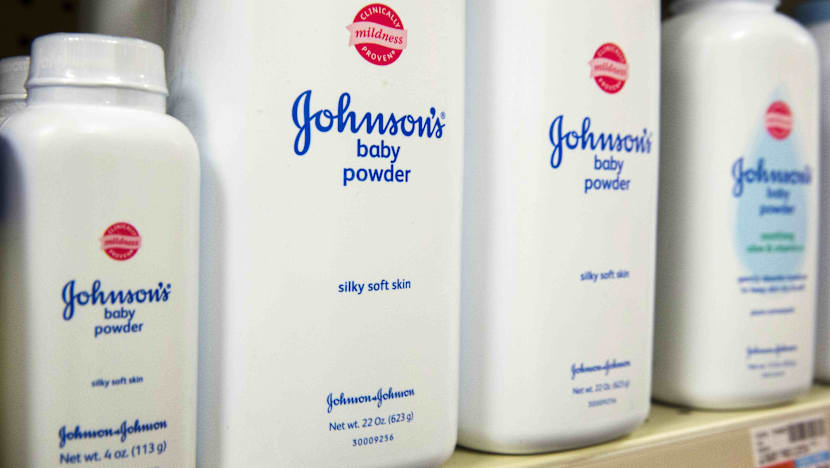
Reuters file photo


SINGAPORE — Talcum products are generally safe, the Health Sciences Authority of Singapore (HSA) says, and there has been no adverse report relating to talc in cosmetic products in Singapore to date.
Responding to queries from TODAY, a spokesperson from the agency said: “Although there have been concerns about a possible link between talcum powder and ovarian cancer, the available evidence globally remains inconclusive in establishing such a link to date.”
The HSA’s statement came after Johnson & Johnson, a manufacturer of talcum-based products, was ordered by the United States state court recently to pay US$72 million (S$101 million) to the family of a woman who blamed her fatal ovarian cancer on the company’s talcum powder.
Talc is commonly found in many cosmetic products, such as body powders. It is permitted as a cosmetic ingredient under the ASEAN Cosmetic Directive, which Singapore has adopted, as well as in cosmetic products worldwide.





Cosmetic-grade talc is generally regarded as a safe ingredient in the US, Canada and Europe, the HSA said, adding that it would continue to monitor closely any new safety data from such products and inform the public where necessary.
To monitor the safety of such products, the agency said it uses, for example, a surveillance programme that keeps track of adverse reactions, sampling and testing products for potentially harmful ingredients on a risk-based approach. Products that are found to be unsafe will be removed from the market.
Dr Peter Ang, a medical oncologist at the OncoCare Cancer Centre, told TODAY that the scientific link between ovarian cancer and the use of talcum is weak.
He observed that in studies that proved the link, the methods were flawed because they were “based on case-control studies of patient recall, including self-reported use of talc, which may not be that standardised, given that many women would have used it at one time in their lives”.
He said that some of the talcum users in those studies were reported to be suffering from uterus or cervix cancer, which is unrelated to ovarian cancer.
“If there are other specific risks for ovarian cancer that have more grounds … genetic abnormalities, being overweight — these should be addressed, too.”
He added: “I recognise that each may take the message differently, especially given the great publicity recently.
“If there are concerns, then avoid perineal (genital) use or on sanitary pads — towel drying is a good alternative.”