Motorists behave dangerously on the road despite knowing the risks: Survey
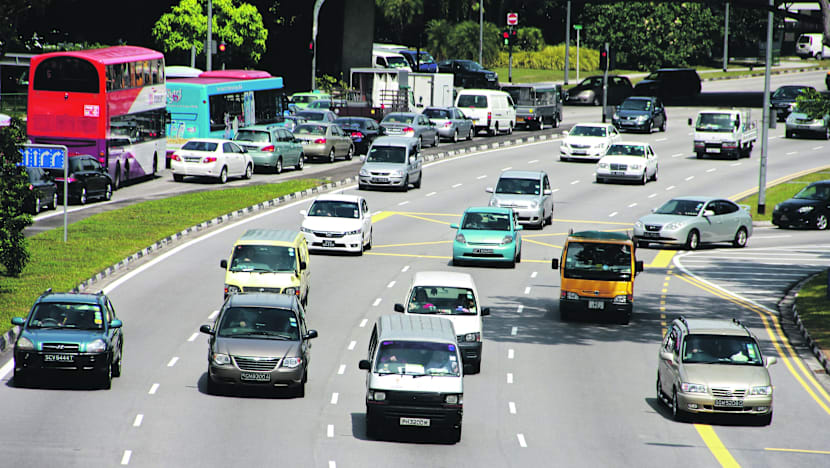
TODAY file photo
SINGAPORE — While many motorists know that certain actions, such as drink-driving and speeding, are dangerous, a number of them still engage in such behaviours anyway, a survey by AXA Insurance Singapore has found.
For example, nearly half of those surveyed, or 48 per cent, thought that it was dangerous to drive at more than 10kmh above the speed limit. Yet, 63 per cent of the very group who thought this way still engaged in speeding.
The insurer’s Road User Behaviour Survey 2015, released today (Dec 3), reached out to 526 road users — such as private car owners, taxi drivers, motorcyclists and heavy and light goods vehicle drivers — in April and May.
Slightly more than half of them, or 51 per cent, thought that driving in Singapore had become unsafe over the years — compared to last year’s 62 per cent.





Aggressive drivers on the road emerged as the top reason for this, followed by “everybody seems to be in a hurry these days”, and an increase in the number of vehicles.
The majority of the road users surveyed were generally not aware of road safety rules, despite having driven at least once a month in the past year.
About 85 per cent of the drivers surveyed said they did not know the legal alcohol limit — which is 35 microgrammes of alcohol per 100ml of breath, or 80mg of alcohol per 100ml of blood.
Only 11 per cent knew that the legal speed limit for light or heavy vehicles is 70kmh on an expressway.
Although 93 per cent of respondents were aware that texting while driving is a dangerous driving habit, more than a quarter of them admitted to the act.
The most popular reasons for using their mobile phones while on the road included the need to answer calls and messages in a timely manner; job-related reasons; and distractions from alerts and notifications.
Under Section 65B of the Road Traffic Act, anyone caught holding a mobile device while driving can be fined up to S$1,000 and/or jailed for up to six months.
When asked what would prevent them from driving dangerously, many cited the possibility of getting demerit points on their driving licence as the top deterrent, followed by the installation of speed or safety cameras on roads, and personal involvement in a road accident or being near one.
Referring to the findings related to deterrents, Ms Kwek-Perroy Li Choo, AXA Singapore’s chief corporate responsibility officer, said: “Essentially, it is not so much about the consciousness that (a driver’s action) is dangerous, but it’s more about the fear of losing your demerit points.
“We need to become a society where people do things because they understand why it is dangerous, rather than people do things because there is a punishment. I think it’s very Singaporean, I hope that we will move away from this mentality gradually.”