New centre to study how the environment affects genes

SINGAPORE — Diseases such as diabetes and cancer cannot be explained by genes alone. Research in recent years has shown how genes are affected by one’s environment — the food consumed, the air breathed and one’s lifestyle.
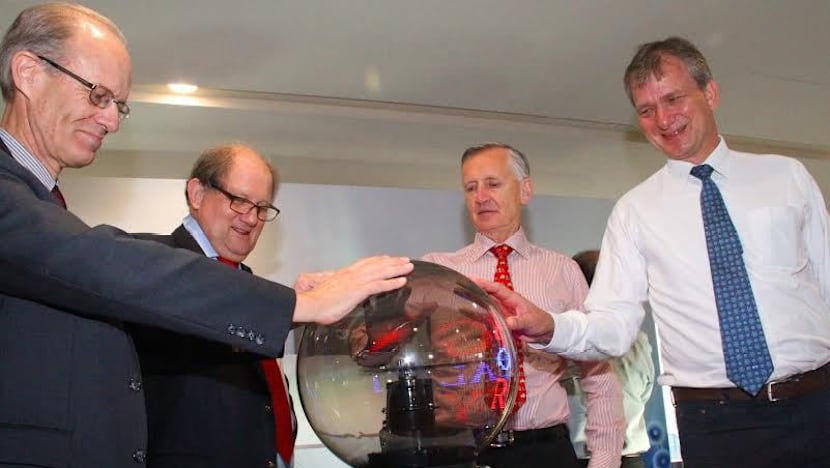
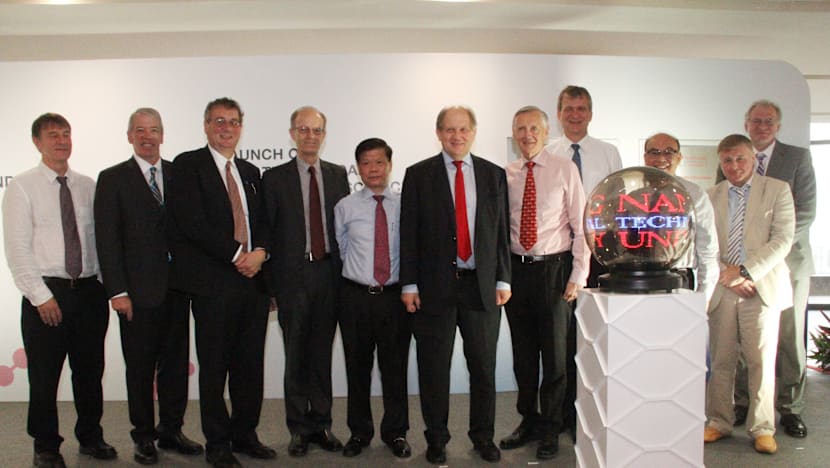
A new centre at the Nanyang Technological University was launched today (Sept 29) to delve into such research, with the aim of tailoring therapies for individuals and identifying new biomarkers that can be used to help people lead healthier lives.
The S$9 million Singapore Phenome Centre already has several projects underway.
It is partnering Khoo Teck Puat Hospital and Tan Tock Seng Hospital to characterise factors that contribute to complications in diabetes, for one. It is also working with national water agency PUB to investigate microbial products from waste water treatment systems.





A phenome is the sum total of phenotypes, which are “particular descriptions of the components of your body”, said Professor Jeremy Nicholson, director of the National Phenome Centre at Imperial College London, which will be working with the Singapore Phenome Centre. “Philosophically, the phenome is where genes meet environment.”
The Singapore Phenome Centre will be chaired by dean of NTU’s Lee Kong Chian School of Medicine, Professor James Best. He said the centre intends to characterise the unique Asian phenotypes by working with doctors here, in order to offer tailored therapies for patients. “We also hope to identify new biomarkers that can be used at a population level to assist people to lead healthier lives.”
Most research on common global diseases like diabetes were done in Europe and the United States, said NTU President Bertil Andersson. “Diabetes in an Asian population — in a Chinese population like here — is very different. There is not much data for it. So all the medicines we have for many diseases is for Western people, and not for Asian people,” he said. “And Singapore is quite advanced today with research and medicine, so Singapore has a fantastic opportunity to elucidate how diseases are developed in an Asian population.”
The Singapore Phenome Centre is part of the NTU Integrated Medical, Biological and Environmental Life Sciences Cluster, which was also launched today. It will be led by Professor Staffan Kjelleberg, a world expert in environmental biology, microbial ecology and biofilm biology.
The new cluster offers a unique research environment that takes advantage of the “interface between life sciences and excellence in engineering to find solutions to health issues”, said Prof Kjelleberg.