Piracy losing its stigma here
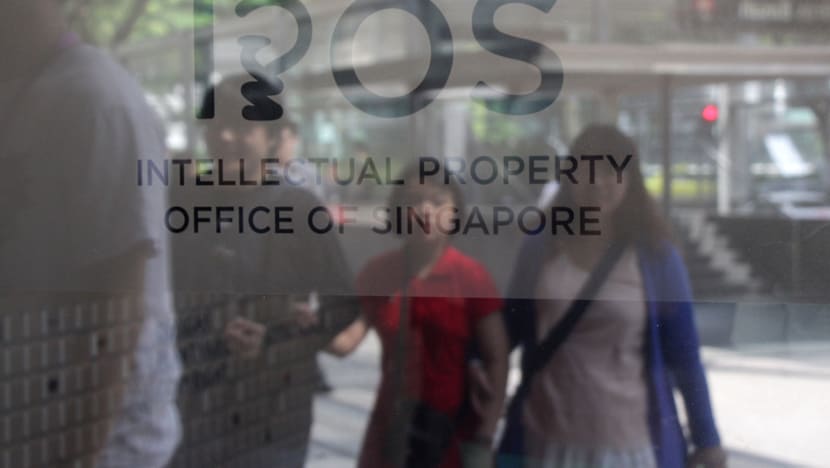
At the World IP Day 2015 appreciation event located at IPOS. Photo: Low Wei Xin/TODAY


SINGAPORE — Despite continuing efforts to raise awareness on intellectual property (IP) rights, fewer people now consider it a crime to download online content from illegal sources or engage in unauthorised file sharing, compared with four years ago.
Findings from the latest IP Perception Survey showed that about one in two respondents, or 54.9 per cent, viewed downloading from unauthorised sources as theft, down from some three in four, or 77.8 per cent, in 2010. The survey was commissioned by the Intellectual Property Office of Singapore (IPOS) last November.
Similarly, about one in two respondents, 49.2 per cent, felt that unauthorised file sharing was akin to theft, whereas some three in four, or 77.5 per cent, felt likewise in 2010.
The findings — released today (April 23) at the World IP Day Appreciation Event — come as the issue of illegal downloading hit the headlines here again. Earlier this month, some Singaporeans were served with letters from lawyers representing the producers of the Dallas Buyers Club, asking them to pay for damages for allegedly downloading the Oscar-winning film illegally.





Over 500 Internet Protocol addresses were reportedly identified.
Speaking to media on the sidelines of the event, guest of honour Denise Phua, who is also an MP for Moulmein-Kallang GRC, said: “If Singapore ... aspires to be a centre of innovation, creativity and a business hub, then I think we must take this topic of awareness, promotion and protection very seriously.”
In response to media queries on the findings, an IPOS spokesperson said: “There is room for improvement in attitude and behavioural patterns, especially in the area of responsible consumption of legitimate content.”
Common reasons cited for online IP rights infringements include convenience and unwillingness to pay for content. However, other respondents cited moral values and poorer quality of content as deterrents.
The survey also showed that 80.2 per cent of respondents agreed that it is important to protect IP rights, while 82.3 per cent felt that the works of IP creators deserved to be protected. The results were consistent with the 2010 findings.
Over 1,000 Singaporeans and permanent residents took part in the face-to-face survey.
IP experts felt that public views on whether illegal downloads or unauthorised file sharing count as theft could have relaxed over the years, due to the widespread use of streaming devices in the market.
“There might be the misperception that just because you can stream content, the initial act of downloading is not illegal,” said Mr Jason Chan, a director at Amica Law.
He felt that long-term public education, which builds on moral values, is the way to go to deter people from IP rights infringement.
Penalties alone may not solve the problem as they target intermediaries, such as torrenting site BitTorrent, over end-users, suggested Dr Ivan Png, distinguished professor in the Departments of Economics and Information Systems at the National University of Singapore.
Mr Chan added: “Even if you enhance the penalties, people will think, ‘I might not be caught become I’m one of the million people downloading’.”
For IPOS, education remains key in its efforts to promote awareness on IP rights.
Today, it published a Copyright Notice — advising people on situations where they are alleged to have downloaded or shared a movie — on its website.
The notice is the first of its kind in Singapore, and includes tips on possible responses, should one be served a letter, as in the case of the alleged downloaders of Dallas Buyers Club.
However, IPOS said it has not received public queries on the movie’s copyright issue through their formal feedback channels.
Today, IPOs also launched its legal clinic, which offers individuals and businesses preliminary advice on IP-related disputes.