Rise in public feedback on adverts for Halloween-themed events: Advertising watchdog
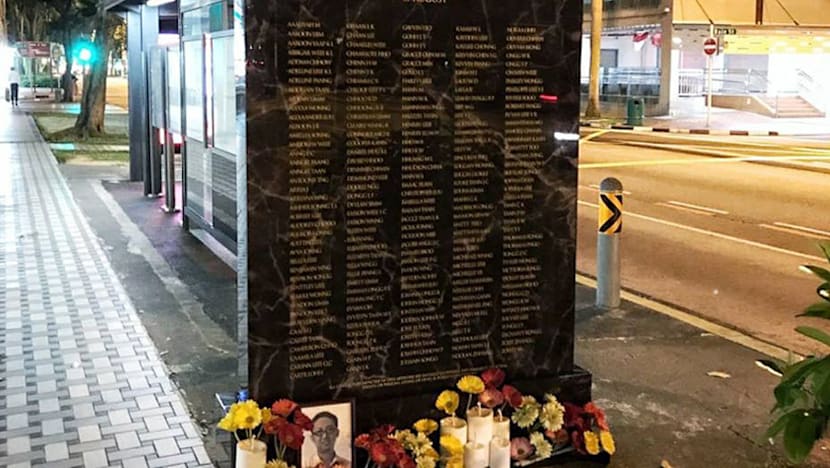
Photo: Resorts World Sentosa/Facebook


SINGAPORE – The advertising watchdog here saw a spike last year in the number of feedback on advertisements put up by entertainment establishments, with almost half of the cases relating to “distasteful” advertisements for Halloween-themed events.
In a press release issued on Tuesday (Feb 13), the Advertising Standards Authority of Singapore (Asas) said it received 26 cases of feedback about adverts by entertainment establishments last year, up from 16 and seven in 2016 and 2015 respectively. Feedback received by Asas, an advisory council to the Consumers Association of Singapore, includes requests for advice — on whether advert copy complies with the advertising code — and complaints from consumers and businesses.
Among the feedback last year, 12 were about adverts for Halloween-themed events.
While Asas did not reveal who the advertiser was, it said it received five cases of feedback on an advert that resembled a cenotaph. Last year, Resorts World Sentosa (RWS) held a publicity stunt to promote its annual Halloween Horrors event, by putting up at bus shelters fake memorial walls dedicated to victims of a fictional collapse of a mall. This drew flak on social media.





Another case involved the promotions for a haunted house event during the Halloween period. A mannequin in blood-stained schoolgirl’s uniform, which had lacerations on its arms, was placed next to the directory panel in a shopping mall.
By depicting self-harm, the advertiser breached the Singapore Code of Advertising Practice guidelines on violence and influence to children and young people, said the spokesperson. As the advertiser received the feedback only towards the end of the advertisement’s run, they agreed to take authority’s feedback into consideration for future Halloween events.
Apart from the adverts for Halloween-themed events, the remaining cases were related to advertisements for concerts and film trailers, among others, where there were complaints of graphic content, disclosures of paid content in YouTube videos, for instance.
“The increase in feedback in 2017 suggests that consumers are less willing to accept distasteful and extremely scary advertisements, or that advertisements are beginning to cross the limits of what the public deems acceptable,” Asas said.
In all, Asas received 269 cases of feedback last year, a slight drop from 284 and 272 in 2016 and 2015 respectively.
The electrical and electronics industry received the most number of feedback on their advertisements last year, with 29 cases which made up 10.7 per cent of the total number of cases. This was followed by feedback on advertisements from entertainment establishments, beauty (hair and slimming services), food and beverage and telecommunications.
In 2016, Asas got the highest number of feedback on advertisements for the health industry, while the beauty industry took the top spot the previous year.
ASAS highlighted adverts for electrical and electronic goods in tradeshow flyers and newspapers which featured one product image and description but “multiple model numbers and types of prices, such as ‘usual price’, ‘sale price’ and ‘show price’, in each listing”. It received seven such cases of feedback last year.
ASAS said the consumers reported these advertisements because they felt the actual price was “ambiguous”. Adding that no purchases were made, the authority said it “recognised the potential for consumers to be misled”. Thus, it informed the retailers concerned to be “clearer in their advertisements, so that in future advertisements, each product listing featured only one model number and one price”. The retailers have since amended their advertisements to make the price and product claims in the flyers clearer, Asas said.