Siblings charged with committing bribery overseas
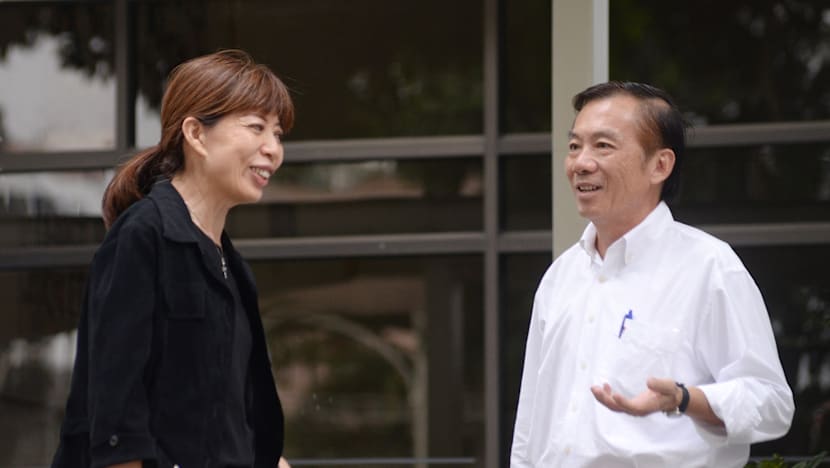
Siblings Henry Teo Chu Ha (right) and Judy Teo Suya Bik, charged for alleged corruption offences that took place in the People's Republic of China, leave the State Courts on June 29, 2017. Photo: Robin Choo/TODAY


SINGAPORE — A pair of siblings has been hauled to the dock to face charges for bribery committed overseas, involving about 11.1 million yuan (S$2.3 million).
Teo Chu Ha, alias Henry Teo, 68, and his younger sister, Judy Teo Suya Bik, 65, each face 50 charges relating to bribes for helping two logistics firms secure contracts in China with Seagate Technology International.
He was then the senior director of logistics at the data storage firm, and allegedly gave confidential information from his employers to his sibling, which was passed on to Shanghai Long-Distance Transportation (SLT) and Feili International Transport. The two companies each managed to clinch a contract dated Dec 1, 2006, with Seagate.
Court documents did not state the value of the contracts, but Judy Teo allegedly pocketed 11.1 million yuan from SLT and Feili in Shanghai between April 2007 and November 2010.





The siblings are also accused of using a portion of the kickbacks to buy a S$703,480 unit on the fourth floor of Summerhill condominium in Hume Avenue under the sister’s name in 2012. This count falls under the Corruption, Drug Trafficking and Other Serious Crimes (Confiscation of Benefits) Act.
This was the second time Henry Teo is in court for corruption related to his time in Seagate.
In 2013, he was sentenced to six months’ jail for influencing the vendor-selection process for a transport provider for Seagate. He helped trucking company Biforst clinch the deal, and received 20,000 shares in the company in return, although he paid S$6,000 for them. He was paid dividends totalling S$576,225 from these shares.
He managed to successfully appeal against his conviction the following year, but the apex court quashed the High Court’s acquittal later, and restored the six-month jail sentence.
The Corrupt Practices Investigation Bureau (CPIB) said in a press release that Singaporeans who commit corrupt acts overseas can be taken to task by the Singaporean authorities under the Prevention of Corruption Act. “The CPIB takes a serious view of any corrupt and criminal practices, and will not hesitate to take action against any party involved in such acts.” The Chinese authorities gave “valuable assistance” in CPIB’s investigation of this case, it added.
If found guilty of corruption, each of the siblings can be fined up to S$100,000, or jailed up to five years, or both, on each count. For the offence under the Corruption, Drug Trafficking and Other Serious Crimes (Confiscation of Benefits) Act, each of them could be fined up to S$500,000, or jailed up to 10 years, or both.
The siblings are now out on bail, and will return to court on July 13.