Wide-ranging new rules and initiatives to kick in 2018

BLOOMBERG file photo
A raft of new laws, regulations and programmes are slated to take effect in 2018. TODAY puts together a list of some of those to take note of, covering key areas such as transport, security, and education:
Vehicular Emissions Scheme — Jan 1, 2018
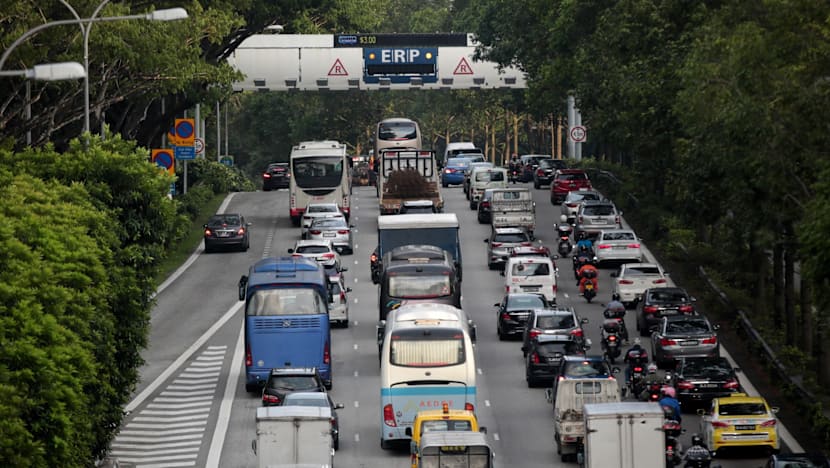
This will replace the existing Carbon Emissions-Based Vehicle Scheme for all new cars, taxis and newly imported used cars. It will cover four other pollutants besides carbon dioxide, namely hydrocarbons, carbon monoxide, nitrogen oxides, and particulate matter. Emissions banding for new cars in motor vehicle showrooms will need to be displayed from Jan 1.





Active Mobility Act — Early 2018
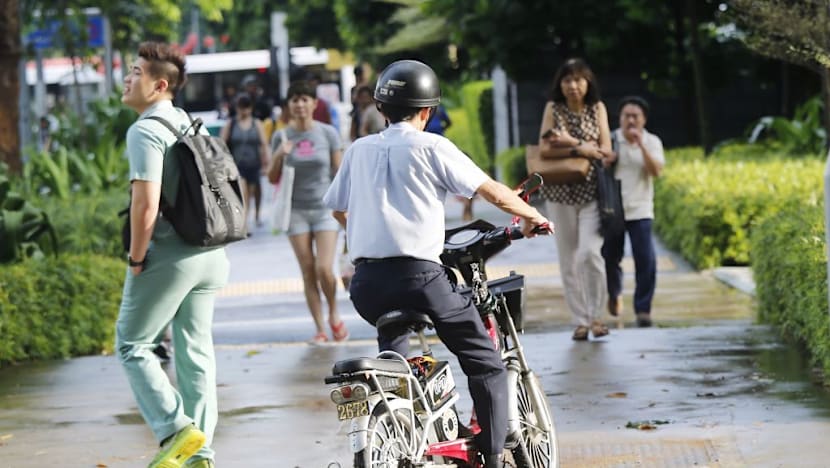
Laws to regulate the use of electric bicycles and personal mobility devices are set to kick in, and the developments pertaining to enforcement will be closely watched as the number of such riders grow. Penalties will be imposed for offences such as riding e-bikes or personal mobility devices (PMDs) on paths meant only for pedestrians, or using PMDs recklessly. For example, those who ride their PMDs or e-bikes on pedestrian-only paths can be fined up to S$1,000, or jailed up to three months, or both.
CPF (Amendment) Act — Third quarter of 2018
Changes to the Central Provident Fund (CPF) Act are set to allow more people to transfer savings from their CPF accounts to bump up the retirement savings in the accounts of their parents and grandparents. They can do so after setting aside the required basic retirement sum and a sufficient property pledge or charge to make up the rest of the full retirement sum. With the changes, about 340,000 more people will be eligible to make the transfers.
Infrastructure Protection Act
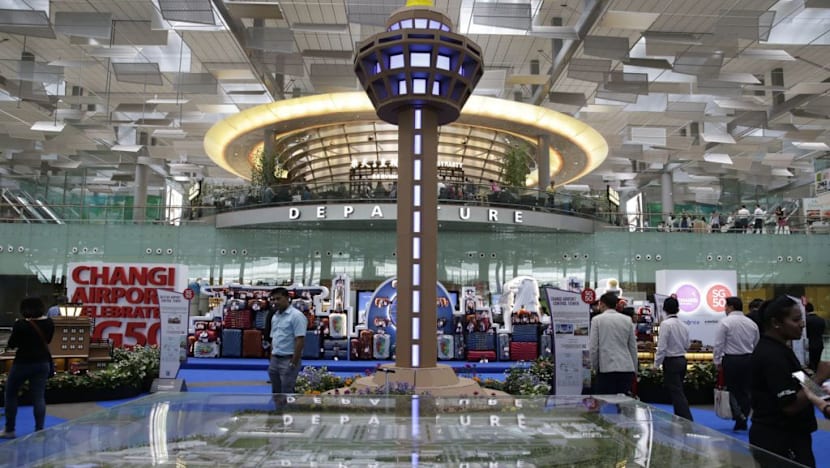
Laws were passed in October to strengthen the protection of buildings that are iconic, highly frequented or that house essential services, such as Changi Airport or the Sports Hub. They are expected to come into effect in the new year. Designs for new buildings will need to integrate security measures such as video surveillance, and have vehicle barriers and protection against blasts before they are built. Selected buildings that already exist will also have to incorporate such measures when they undergo renovation.
Early Childhood Development Centres Act

New laws will regulate the operation of early childhood development centres, such as childcare centres and kindergartens. Kindergartens, which are now registered in a one-off process, will have to apply for and regularly renew their licences. Pre-schools must seek approval from the Early Childhood Development Agency before engaging any third-party education providers — including vendors of ad-hoc enrichment workshops, cooks and cleaners — to ensure their suitability in working with young children.
Subject-based Banding Programme

Subject-based banding at the secondary school level will be expanded to all schools offering the Normal (Academic) and Normal (Technical) courses. Students posted to these courses will be able to take some subjects at a higher academic level in Secondary 1 if they have performed well in those subjects at the Primary School Leaving Examination. At any point after the start of Secondary 1, students may also be invited to take subjects at a higher level if their schools find them suitable.
Direct School Admission (Secondary) Exercise

All secondary schools can reserve up to 20 per cent of their Secondary 1 places for students taking the four-year O-Level study route under the Direct School Admission (DSA) scheme. The scheme allows students to seek admission to a secondary school based on talents and achievements that may not be reflected during the Primary School Leaving Examination. General academic ability tests will also be discontinued for students applying for DSA. These changes are to bring the focus back to recognising and nurturing talents in sports, the arts and others.