Yishun hawker centre aims for even more tray returns
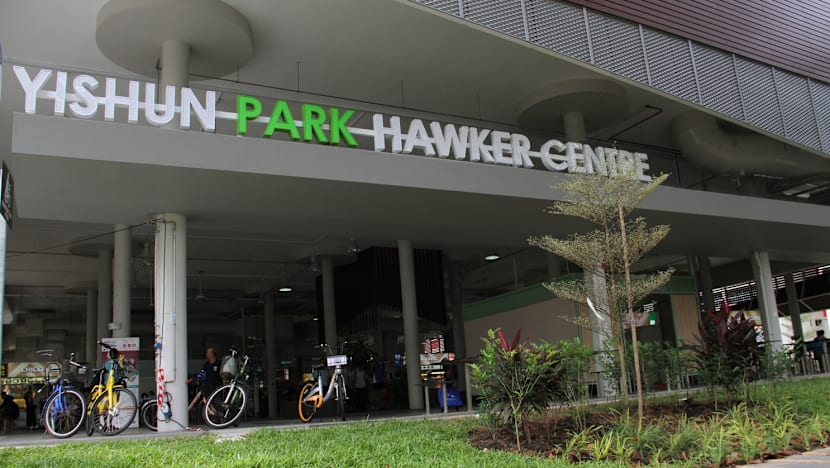
While hawkers know they have to be part of the system at the hawker centre, some said they have allowed patrons not to take trays because they may not be necessary for the type of food sold. Photo: TODAY
SINGAPORE — It may well be the hawker centre with the highest rate of tray returns, but efforts are under way to get even more patrons of the new Yishun Park Hawker Centre on board.
About 60 to 70 per cent of trays are currently being returned at the hawker centre, which opened earlier this month, according to Mr Edward Chia, managing director and co-founder of music and lifestyle company Timbre Group, which runs the place.
But to avoid paying a S$1 deposit, which they get back when they return trays at a station, some patrons have been bypassing the system by buying their meals without taking the trays.
While hawkers know they have to be part of the system at the hawker centre, some — such as Mr Ng Tiong Wei of Wei Wei Mixed Rice — said they have allowed patrons not to take trays because they may not be necessary for the type of food sold.





Mr Ng said he is informing his customers of the tray return policy, but added: “Traditionally, for mixed rice, people don’t really take a tray when they buy.”
Such patrons form a small fraction of the crowd, with Mr Chia estimating that fewer than 60 patrons a day do not take trays when buying meals.
When TODAY visited the hawker centre over two days, nearly all patrons were seen returning their trays together with used crockery and cutlery. Those who did not take a tray tended to leave their plates and bowls behind.
More staff will be on site this weekend to educate customers on the rationale behind tray returns.
Mr Chia believes more will adopt the helpful habit when they observe its benefits — such as less rubbish on the tables and fewer pests.
His team faced similar challenges initially at another establishment, the Timbre+ food hall at one-north.
Its tray-return system has been in place for 16 months, and the return rate now stands at about 97 per cent.
But Mr Chia said the demographics are “a bit different” at Yishun Park, and it might take a little longer to get patrons on board.
The purpose of tray returns is “not to penalise our diners” but to change human behaviour, he added.
Some customers may avoid using trays, thinking they are dirty, but Mr Chia said that all the trays are cleaned in a dishwasher before they are sent back to the stalls.
While estimated rates of tray returns at other hawker centres are hard to come by, they have been often described as “low”.
The longstanding issue has defied easy solutions, despite efforts by the National Environment Agency and operators in recent years.
Measures have included campaigns and the authorities’ assurances to the public that they would not be depriving cleaners of a job if they return their trays.
More recently, some operators have tried tray-return robots.
For some patrons of Yishun Park, it could boil down to getting acquainted with the system.
IT manager Charles Loo, 46, told TODAY that after dining there a few times and returning his tray, he understood why it was important.
Earlier this week, TODAY reported patrons’ unhappiness with Yishun Park’s design, user-friendliness and the long queues at the sole drinks stall.
Hawkers were grappling with teething problems linked to the cashless payment system, which Timbre Group said it is looking to improve.