In Bangkok, I learnt chilling is not an option – from the coolest creative spots to an 'art forest' day trip
Bangkok's creative energy is in overdrive. The new Voco Bangkok Surawong puts you right in the middle of it.
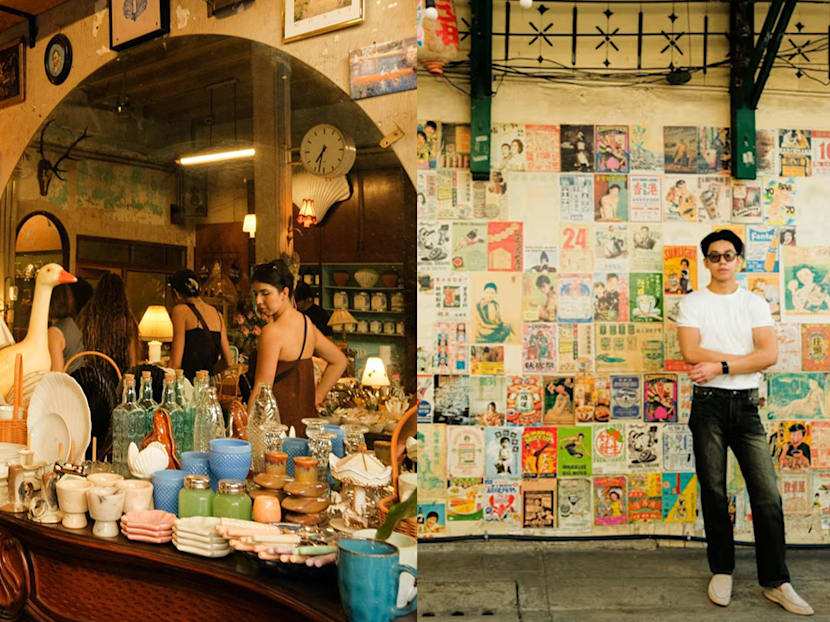
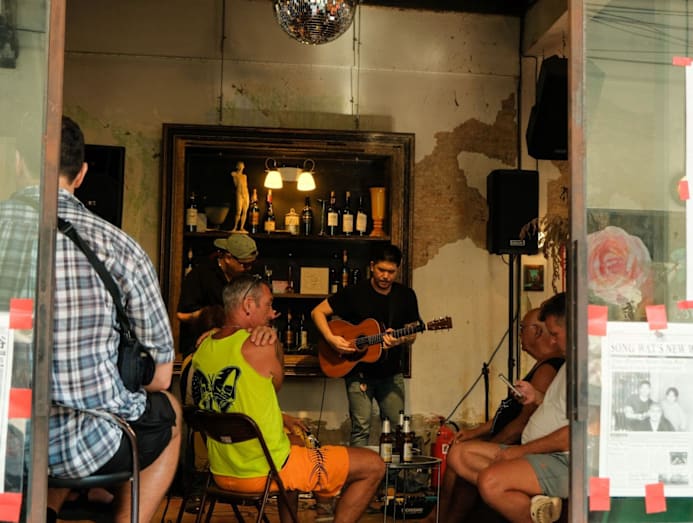
Song Wat has been one of Bangkok’s most talked-about creative enclaves in recent years, with no signs of cooling. (Photos: Toh Ee Ming)

This audio is generated by an AI tool.


Frantic can't quite begin to describe Bangkok. The city mutates at a speed that makes other Asian capitals look like they're standing still. A warehouse finds new life as a contemporary art institution, an old trading quarter becomes the hottest new creative enclave. Blink, and you’re behind.
The new Voco Bangkok Surawong knows this, and lands right in the thick of it. Opened last December, it marks the debut of IHG's fastest-growing premium brand in Thailand, and the latest addition to the city’s ever-evolving hospitality scene.
Voco in Latin means to invite, to call one in. At the lobby, you’re greeted by several larger-than-life finch sculptures in festive woven hats, radiating the cheerful, slightly unhinged energy of party hosts. The finch is one of the hotel's three kooky bird mascots, which appear in various forms across the property. They telegraph exactly what kind of place this is: emphatically unstuffy.
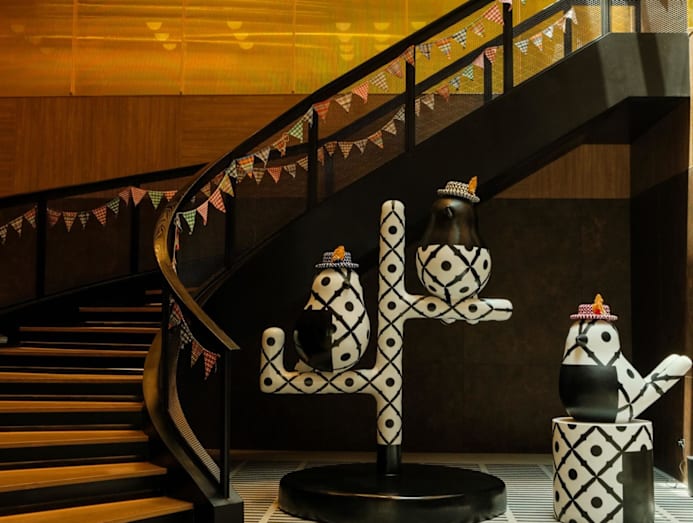
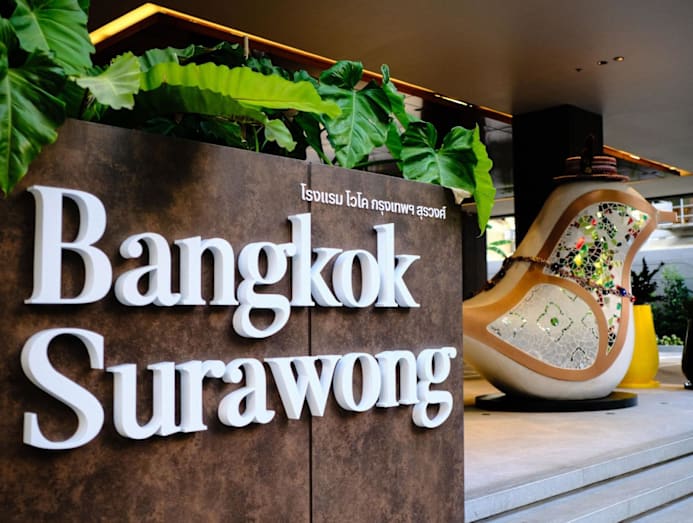
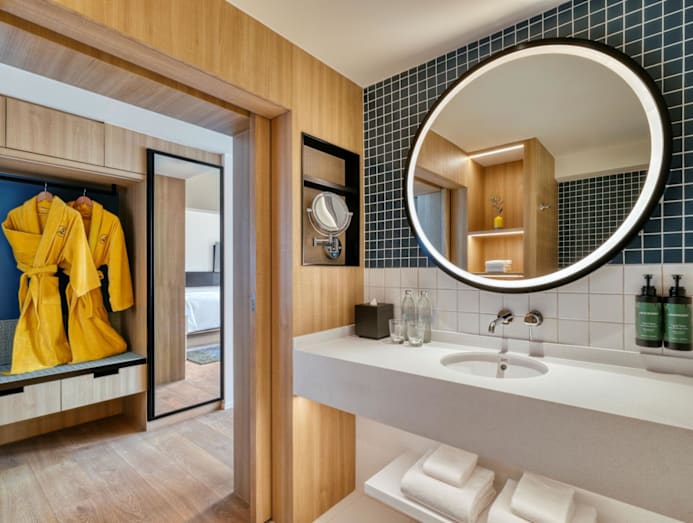
Thai architecture firm A49 refashioned the Brutalist shell of the original Tawana Hotel, retaining its geometric forms while opening up the space to light; interior design studio P49 Deesign layered in mid-century touches and a chirpy yellow and blue palette.
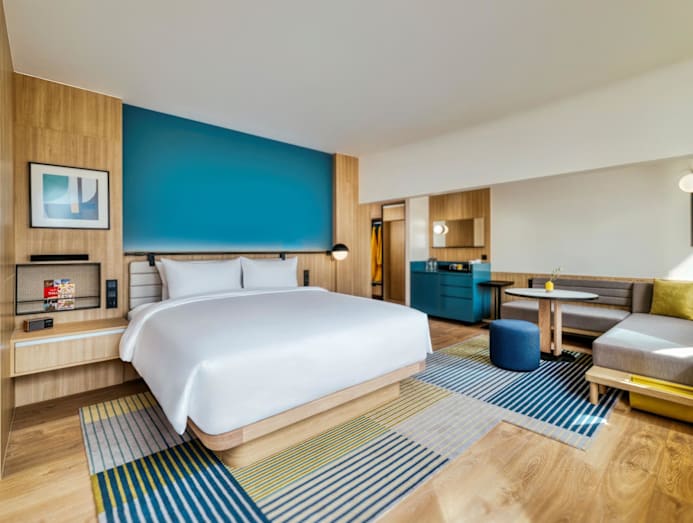
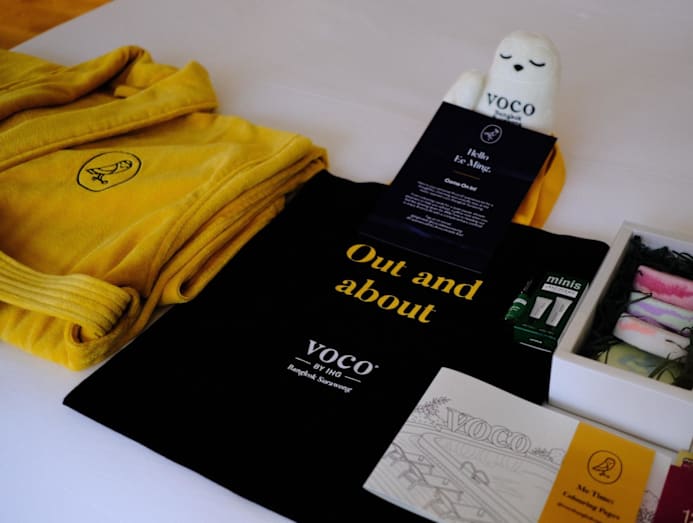
The owl mascot shows up in the rooms, the hotel's nudge toward me-time. I was gifted with an owl plushie, colouring kit, shower steamers in earl grey cucumber and lavender mint, and an order sheet for breakfast in bed.
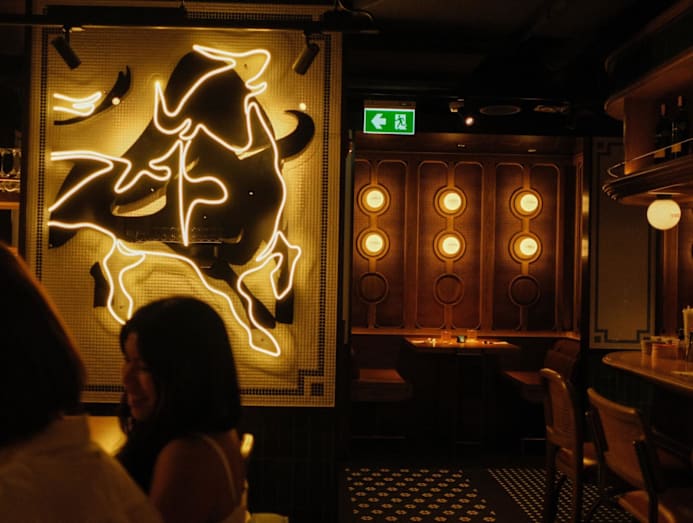
Downstairs, the flamingo – the hotel's mascot for its social spaces – holds court at Tasca Sabio, a Spanish joint built around punchy Mediterranean flavours, and all-day-dining restaurant Deckles Smokehouse, where the slow-smoked brisket and a khao soi riff pack serious heat.
During my April visit, I saw how the crowd skews young. General manager Walid Ouezini says the hotel is seeing strong demand from urban explorers and bleisure travellers (combining business trips with leisure time). Singaporeans, especially, for whom Bangkok remains the ideal long-weekend escape.
Surawong sits at the hinge of old and new Bangkok, close to bustling Silom, Sathorn's corporate corridors, and Siam's shopping landmarks. More or less exactly where you want to be.
THE NEW CREATIVE CLUSTERS
Song Wat has been one of Bangkok’s most talked-about creative enclaves in recent years, with no signs of cooling. Running parallel to the Chao Phraya River, the street was once a thriving trading hub, home to Chinese merchants and warehouses packed with rice, spices and other staples. As river trade declined and logistics shifted to larger ports and industrial zones outside the city, the warehouses emptied out.
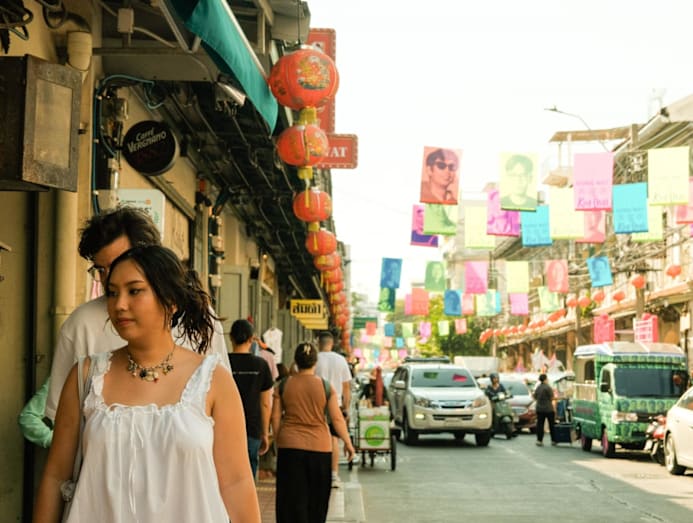
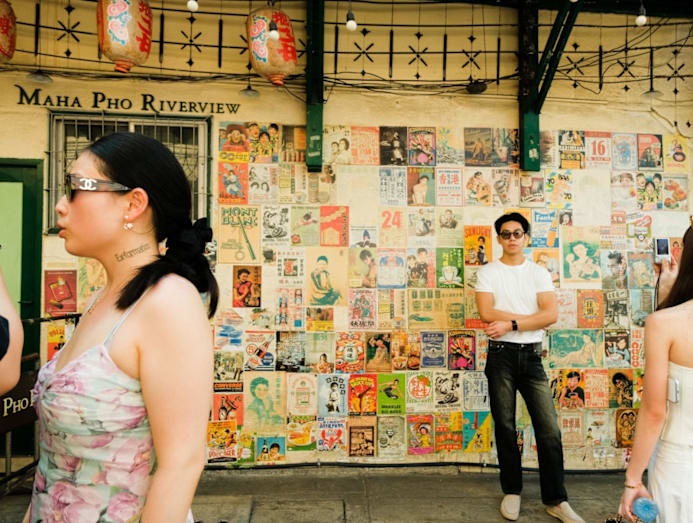
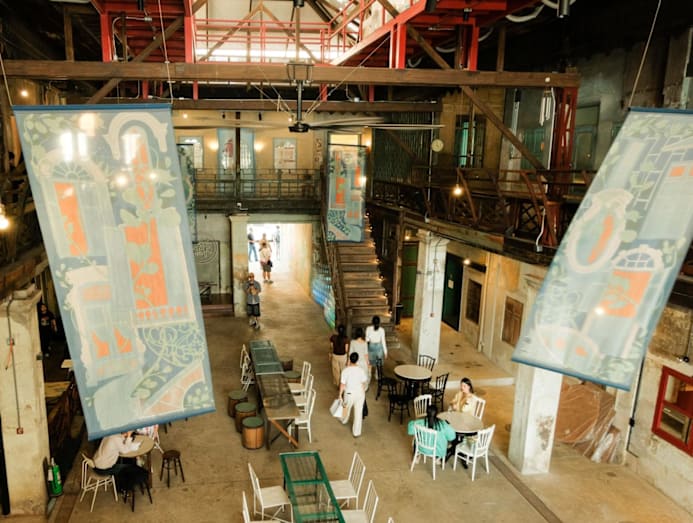
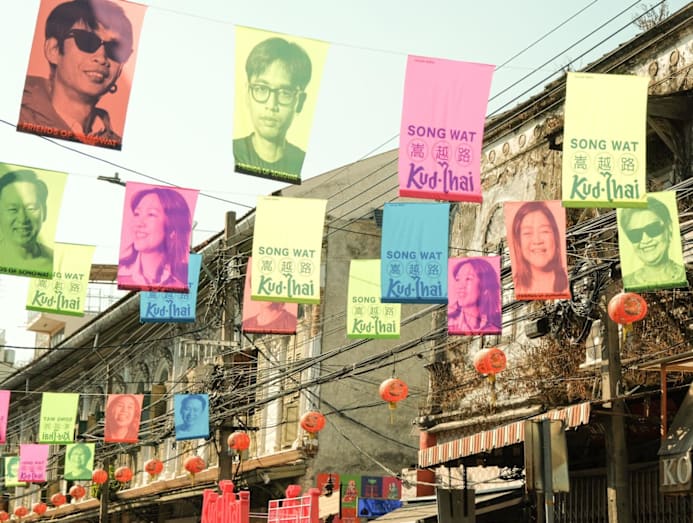
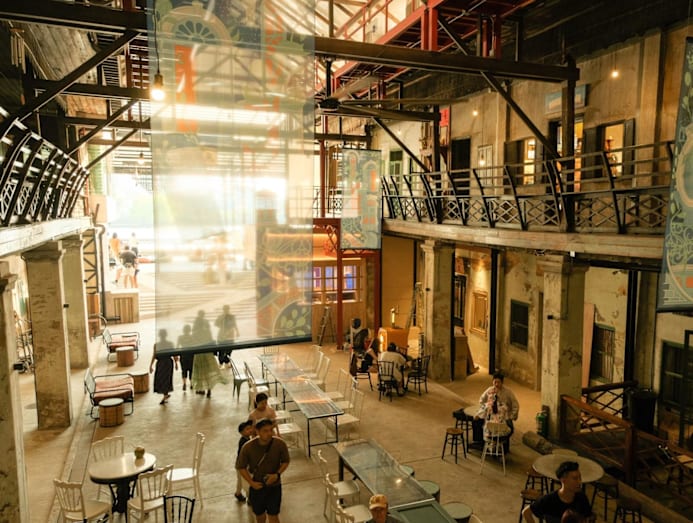
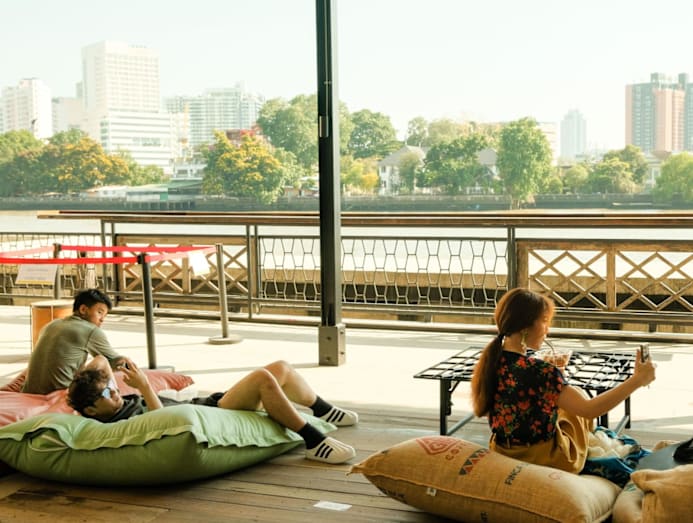
COVID-19 accelerated the revival, as lower rents and a long pause gave a new generation of young Thai creatives space to experiment. Our tour guide Kingkamon Sanguanpibool explained: "They started to think, 'This used to be a place for business, so why don't we do something.'" It started small, a coffee shop, then a gallery. Then more followed.
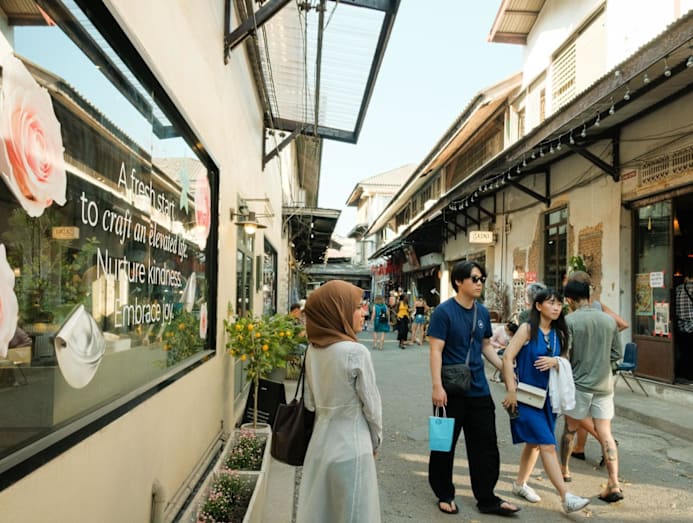
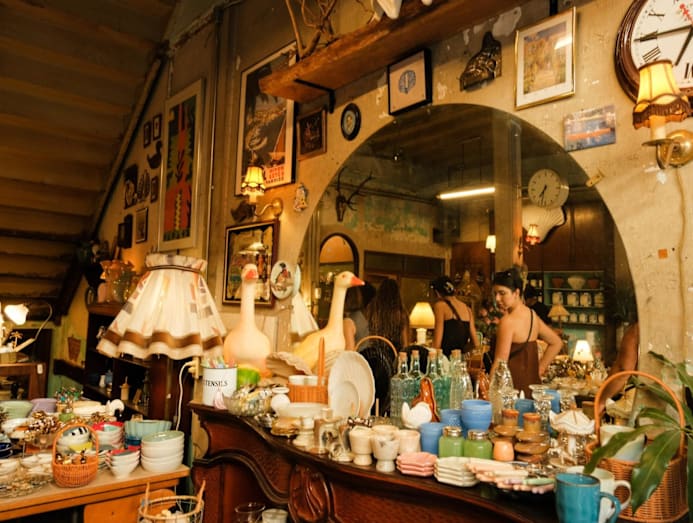
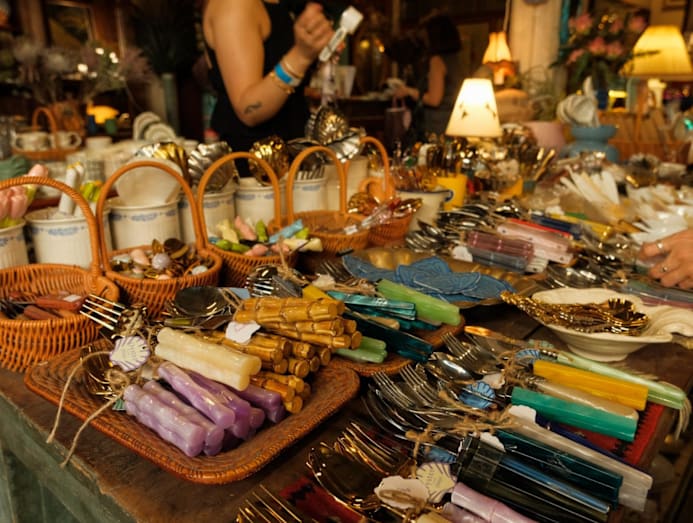
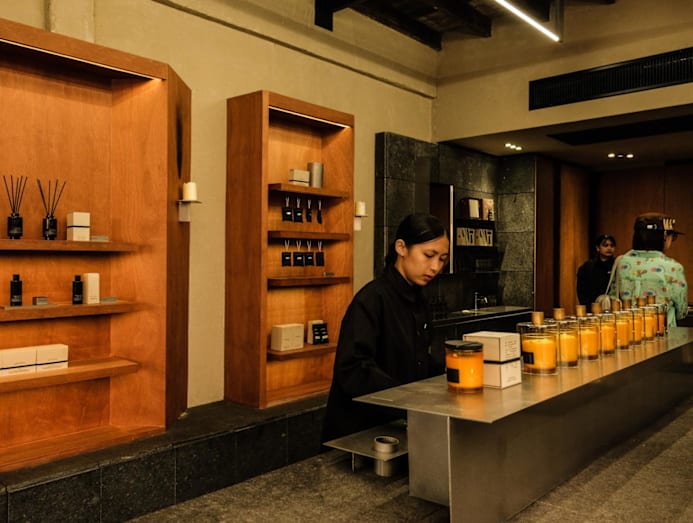
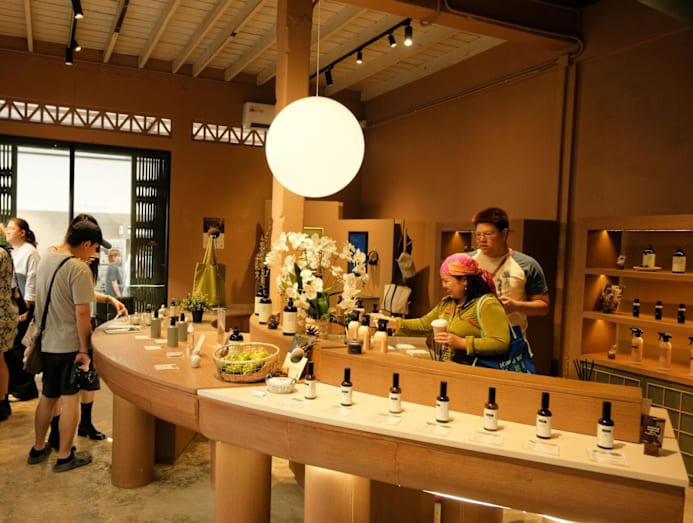
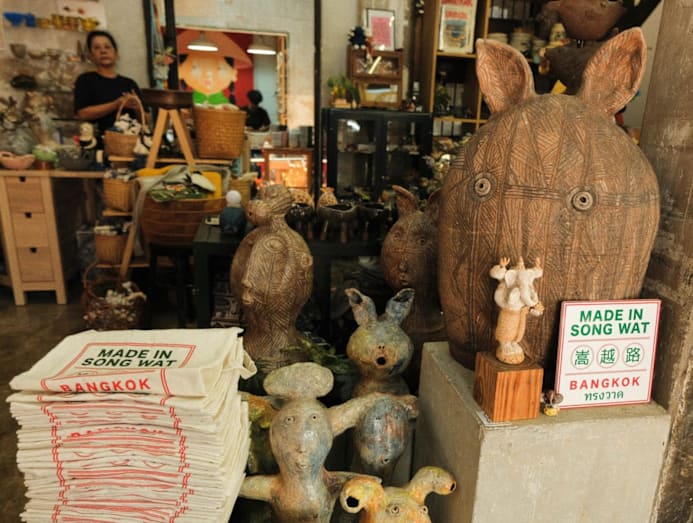
Today you’ll find design-forward retail, coffee roasters, thrift stores and vintage shops doing brisk business, lifestyle and homeware stores like Copenn and Onest, alongside art galleries and photo booths. On weekends, the area fills up fast, a crush of camera-toting crowds.
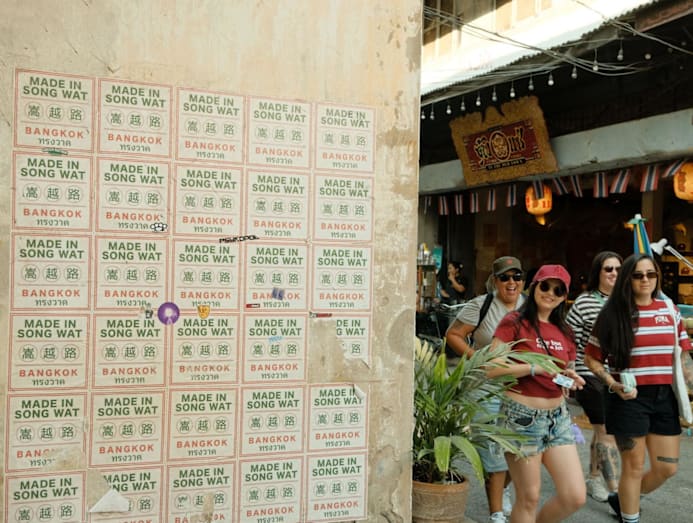
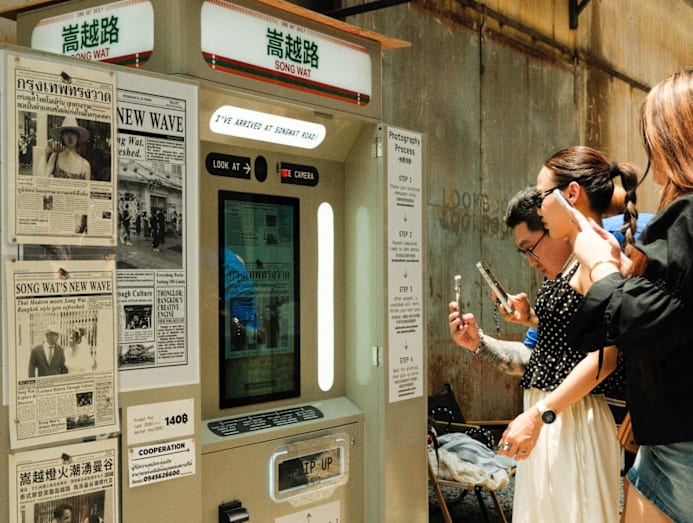
A short walk brings you into atmospheric Talat Noi, which feels more lived-in and less curated. Once the heart of the city’s auto industry in the 1930s, it later became a scrap metal “graveyard” of sorts. It remains a working district today, with mechanics and spare parts shops still tucked between newer arrivals.
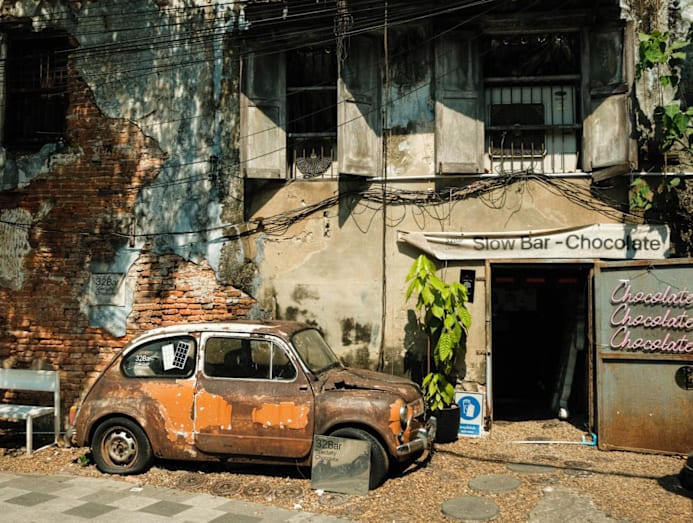
We thread through a rabbit warren of narrow alleys lined with street art and sticker-plastered walls, curiosities at every turn. A weathered Fiat 500 parked outside 32Bar X, a specialty chocolate bar, has become a landmark photo stop.
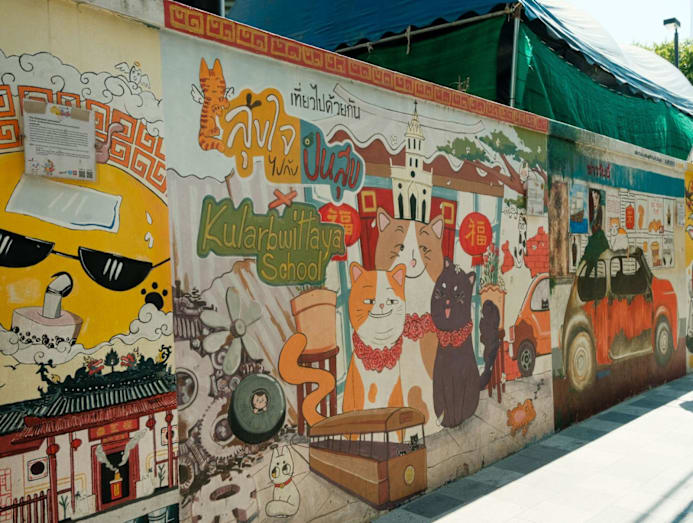
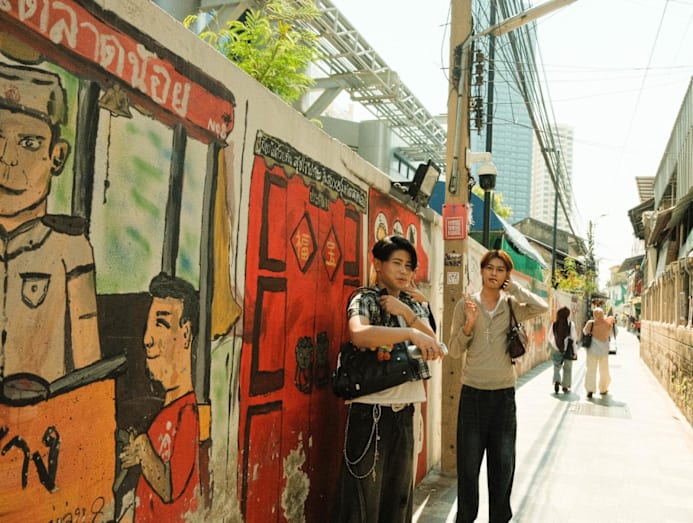
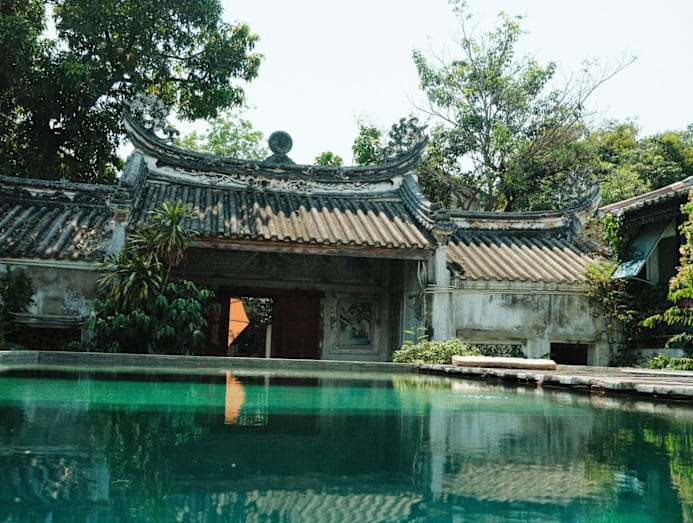
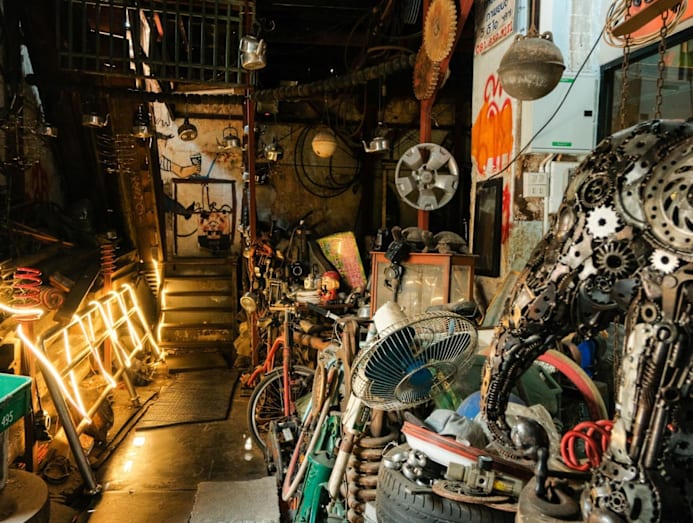
So Heng Tai Mansion, a 200-year-old Chinese courtyard house now partly turned into a café with a swimming pool; Mother Roaster occupies the upper floor of an old warehouse while an elephant sculpture made from spare metal parts stands sentry.
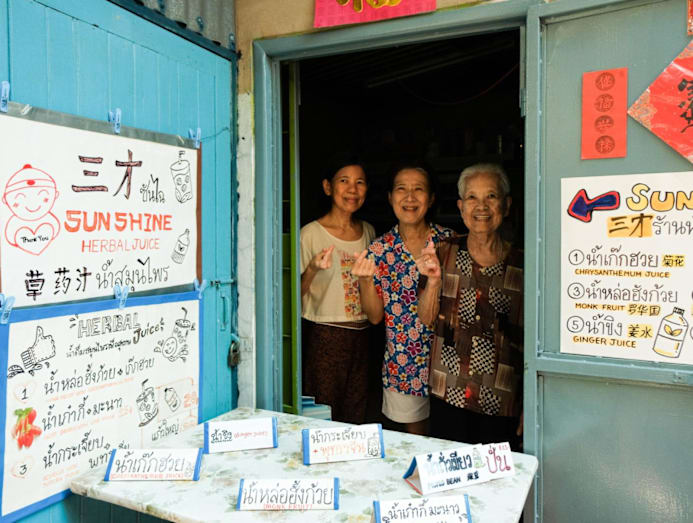
A handmade sign for Sunshine Herbal Juice catches the eye outside a residential house, promising relief from the heat. As we pore over a mostly Thai menu, the side door opens and we’re greeted by three smiling older women, drawn out by the commotion. One of them is a 98-year-old granny who delightedly calls us “suai” (pretty) and asks for a photo, before insisting she must get back to her porridge.
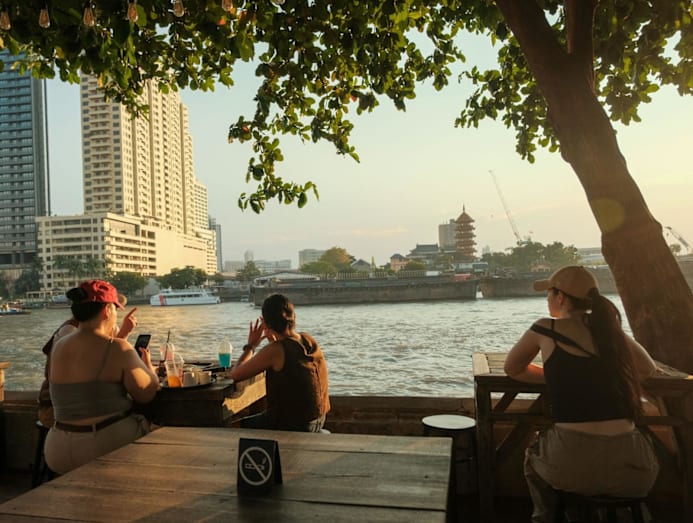
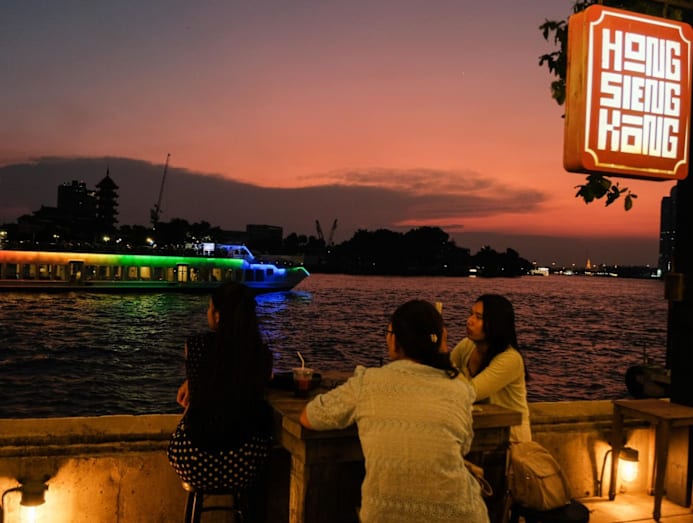
At sunset, we end up at Hong Sieng Kong, a restored riverside mansion where locals gather to watch the light soften over the Chao Phraya River.
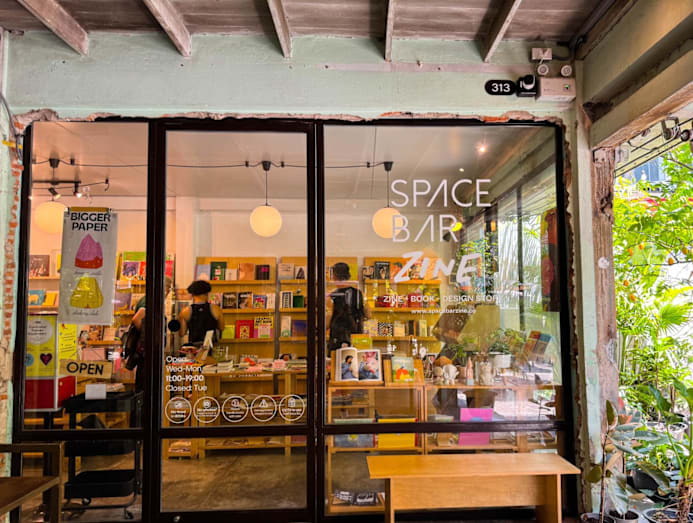
Elsewhere, in the Wat Phraya Yang alley pocket within the Galileoasis estate, the leafy Piccolo Vicolo cafe sits alongside eclectic Spacebar Zine, which champions indie publishing.
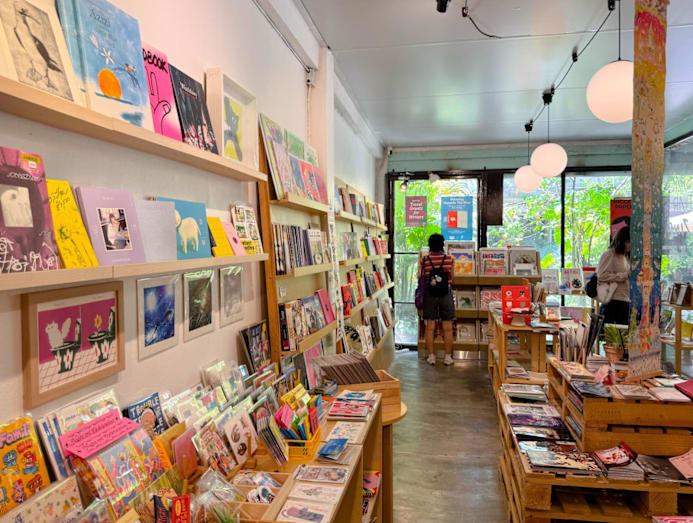
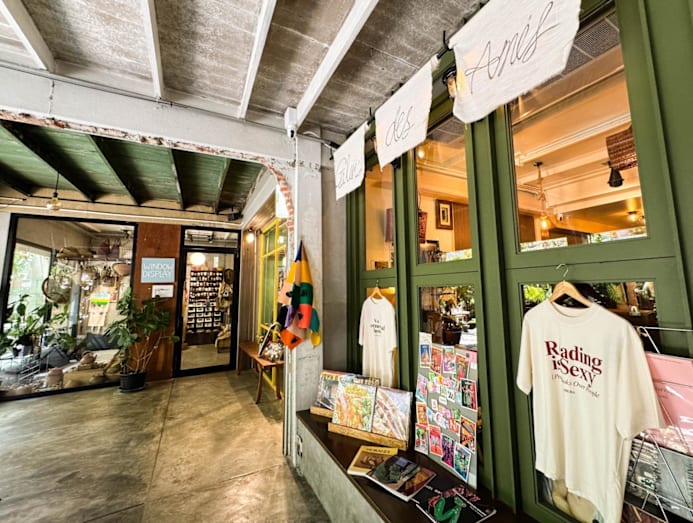
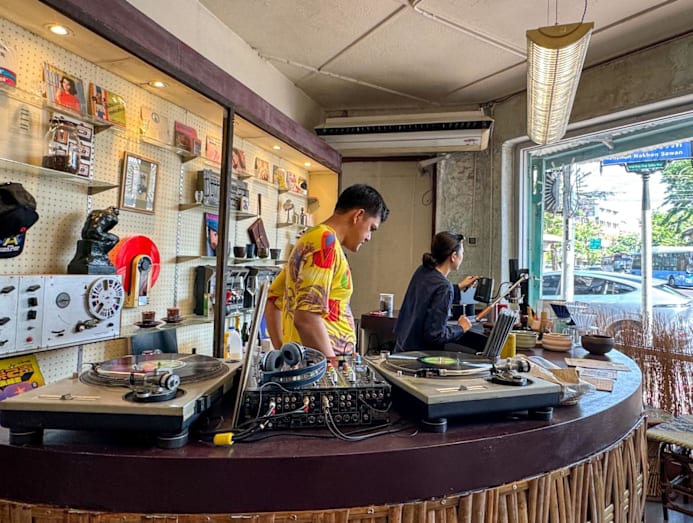
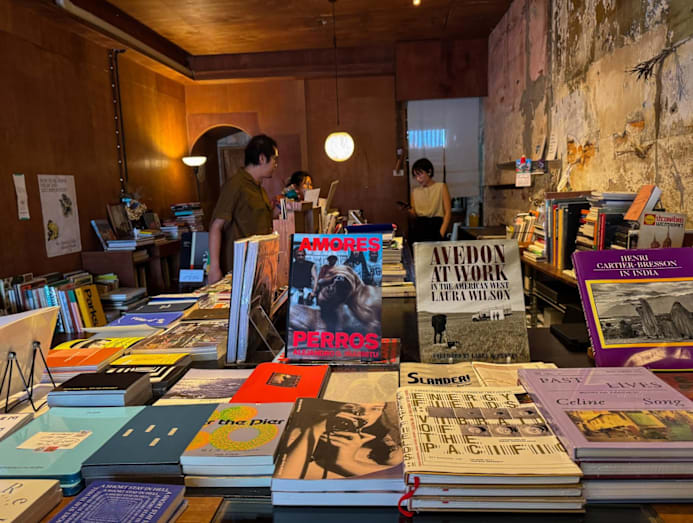
Further afield in Ratchathewi, Vacilando Bookshop is for quiet browsing of art and photo books; Ssoundnamm, a listening café, cranks out groovy Thai oldies on vinyl.
THE NEW ART SCENE
At the edge of Bangkok’s port district, a repurposed steel warehouse now holds DIB Bangkok – Thailand’s first major international contemporary art museum, and one of the clearest signs of how quickly the city’s art scene is expanding.
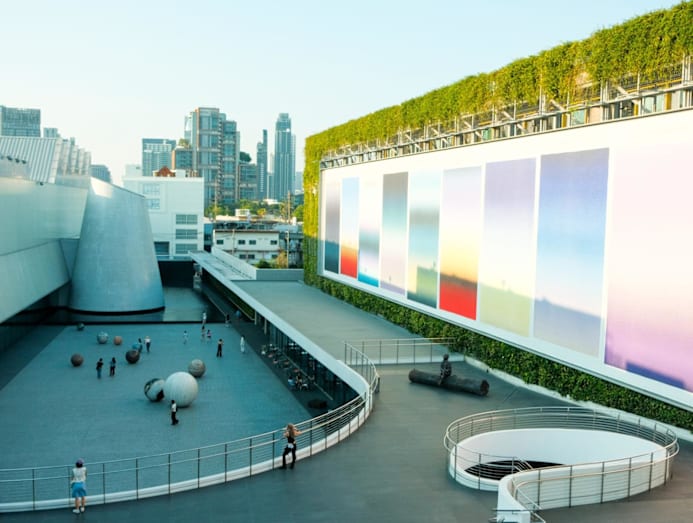
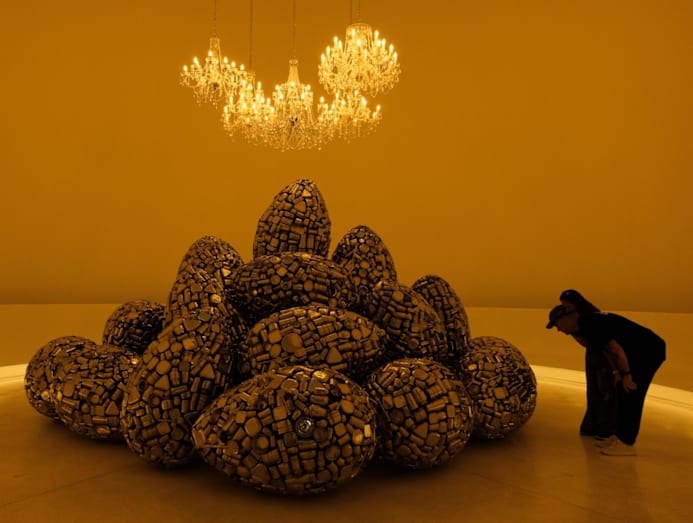
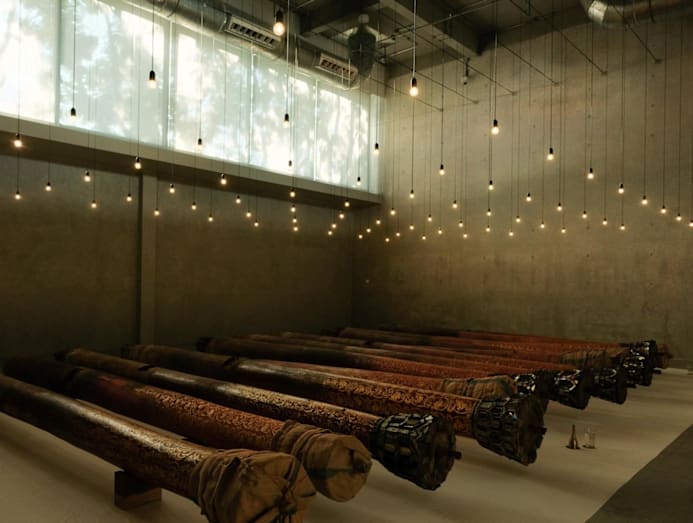
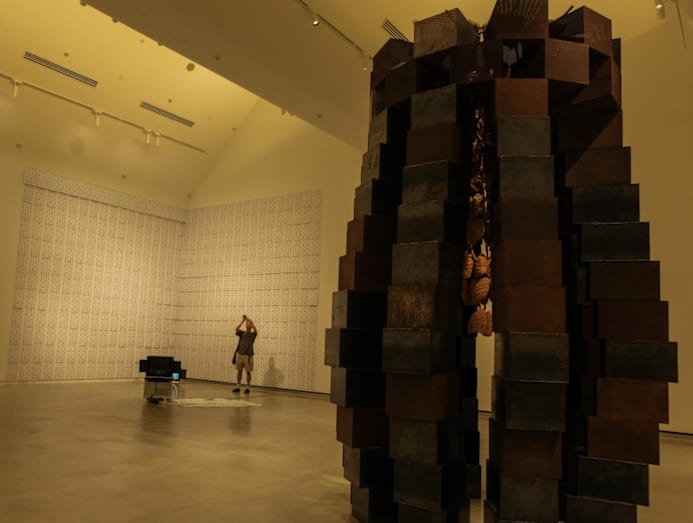
Its name comes from the Thai word “dib”, meaning raw or unfinished. A long reflecting pool at the entrance eases the shift from Bangkok’s frenetic streets into a futuristic building redesigned by Thai architect Kulapat Yantrasast. Inside, 7,000 sq m of gallery space unfold across three floors; we take in (In)visible Presence, a group show of some 80 works by 40 artists.
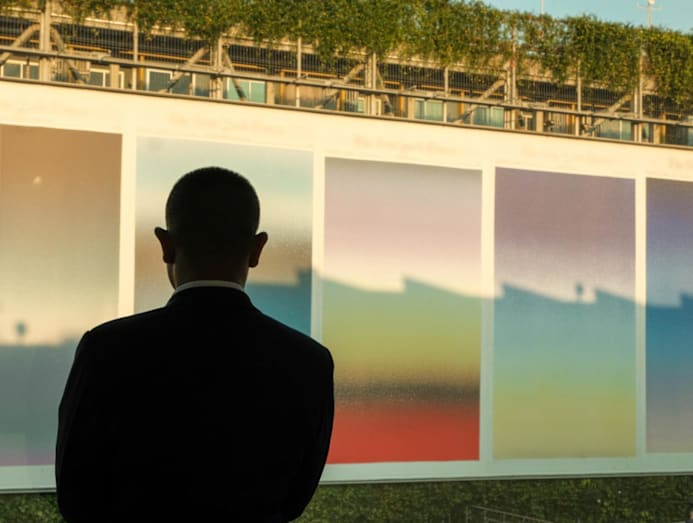
Outside, Sho Shibuya’s works, commissioned for the museum’s grand opening exhibition, bring his Sunrise From A Small Window series to monumental scale. Painted over pages of that day’s The New York Times, a hopeful dawn seemingly pushing back against the world's daily catastrophes.
Come at sunset for James Turrell’s permanent installation Straight Up, 1988, a striking skyscape accessed by stairs.
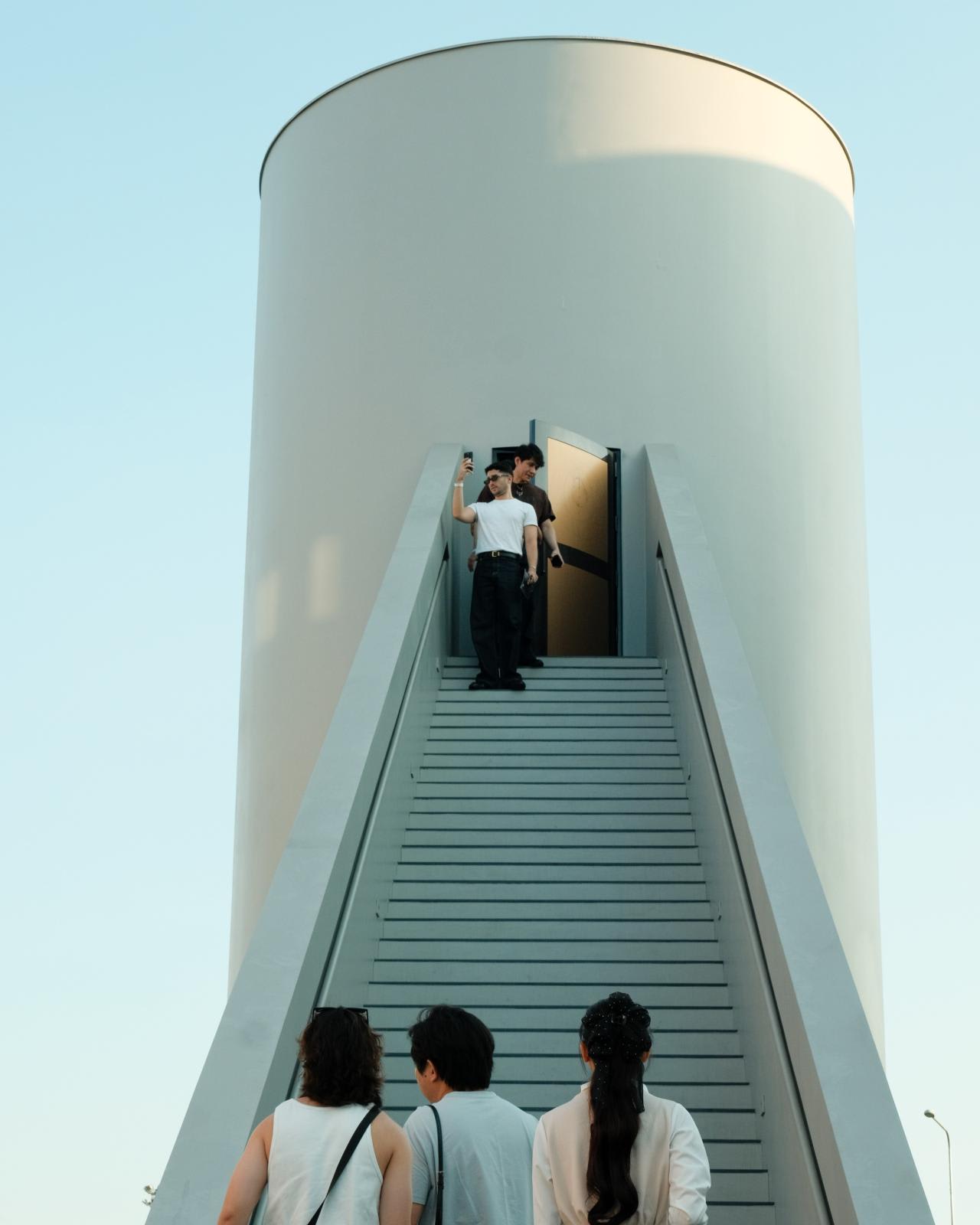
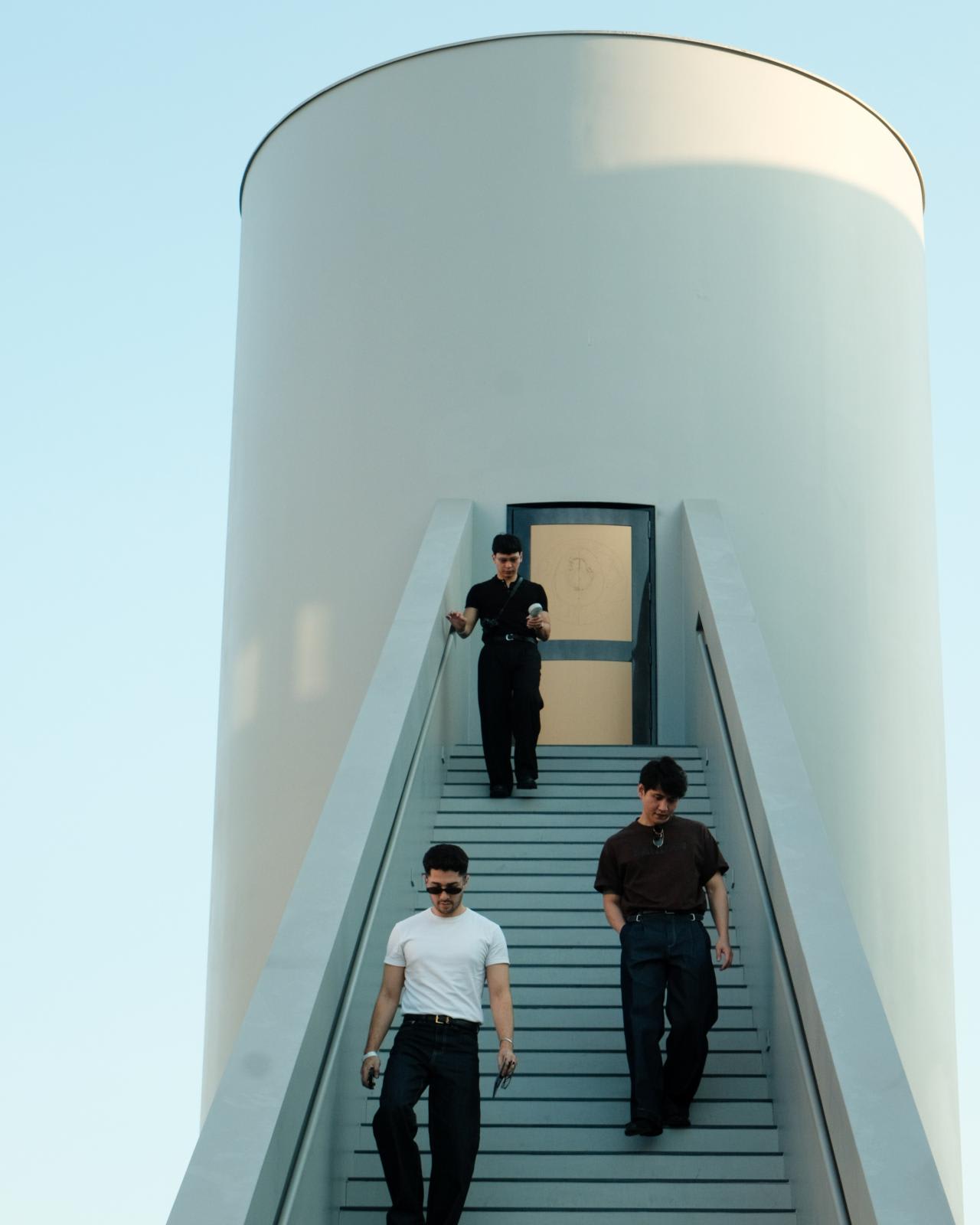
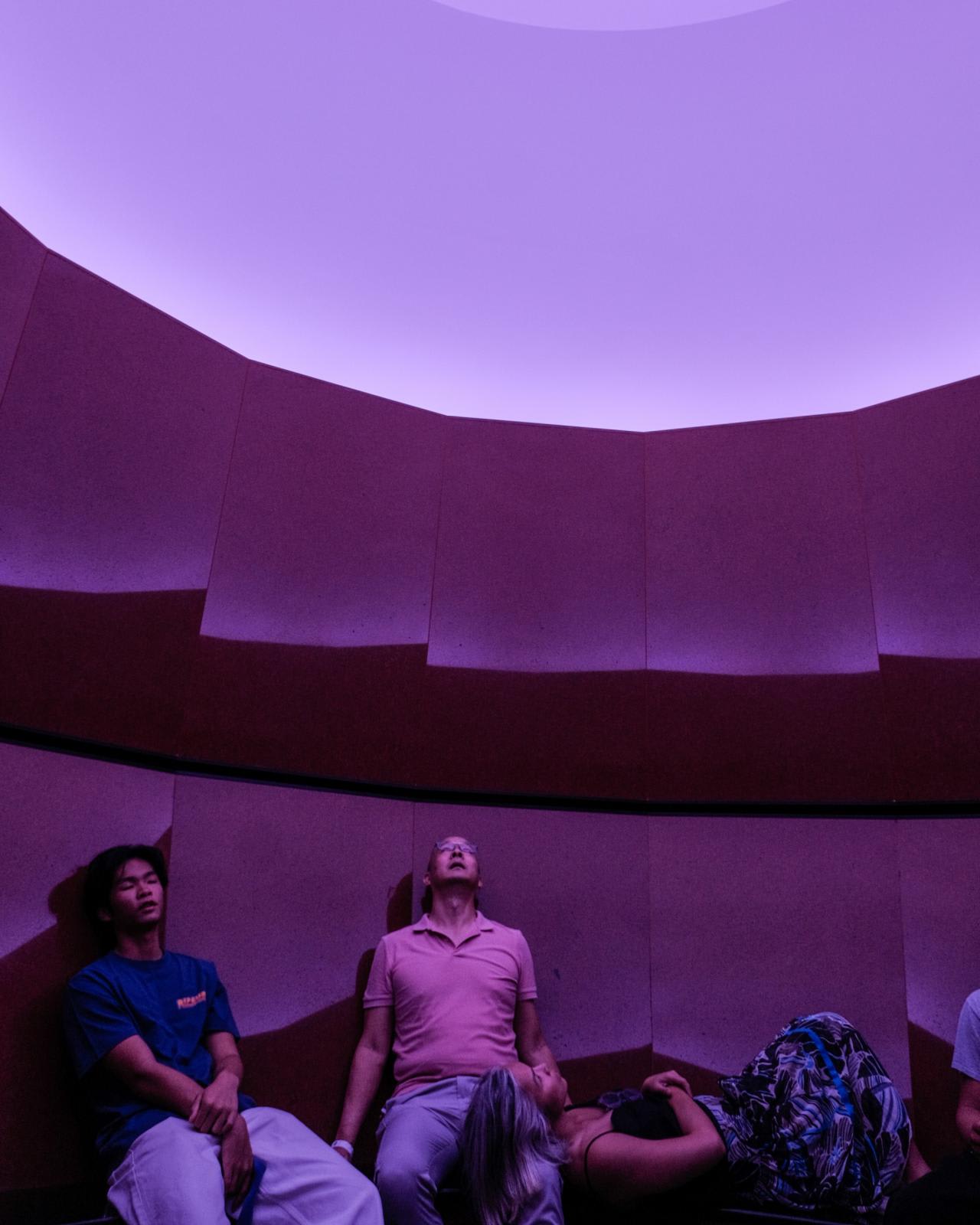

Within a plain room, a circular opening in the ceiling frames the sky. As day slips into night, the room’s lighting shifts in sequence, and the sky seems to change in response– pink, orange, green. Birds and planes pass overhead. You begin to notice the act of seeing itself: how the eye reads colour, space, depth.
If you have a day to spare and the patience for a long drive, Khao Yai Art Forest– recently named in Time Magazine’s World's Greatest Places 2026 list – is worth the effort. Launched by Bangkok-based philanthropist Marisa Chearavanont and Italian architect-turned curator Stefano Rabolli Pansera, the project reimagines the traditional art institution, inviting artists to realise large-scale, site-specific works within nature.
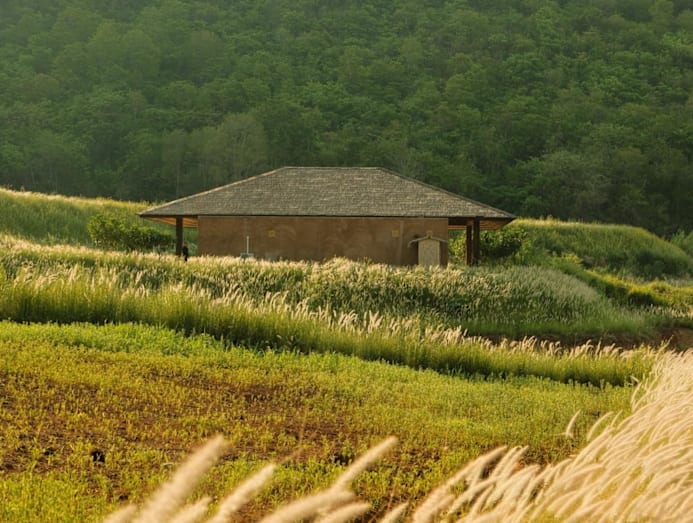
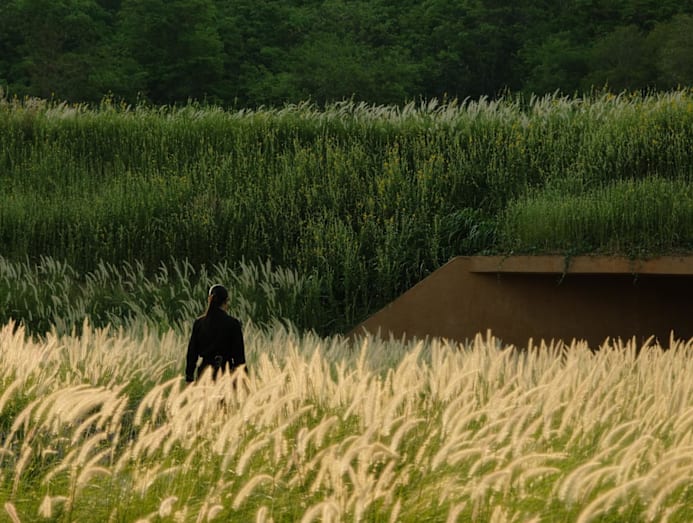
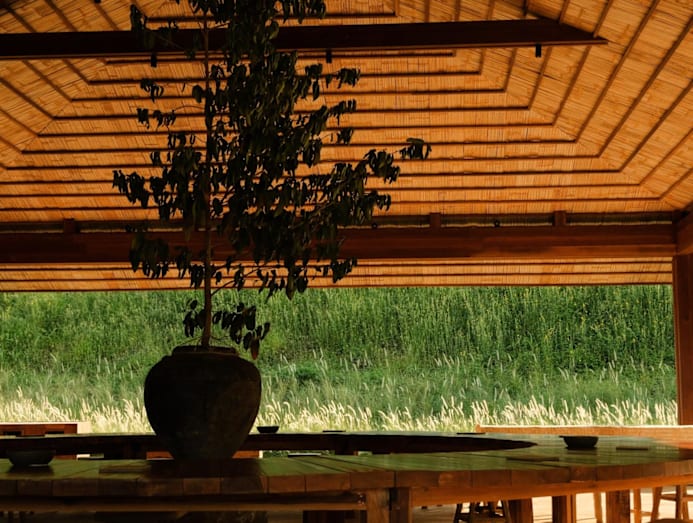
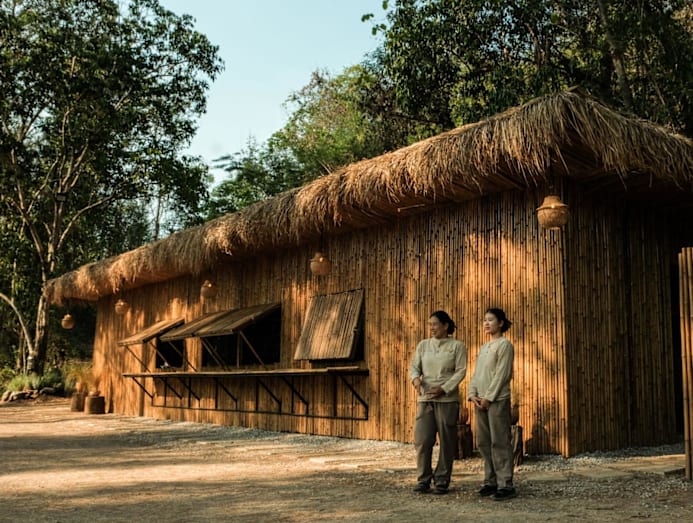
Set against one of Thailand’s most pristine landscapes, we arrive at a lush reception space that wouldn’t look out of place in a high-end hotel lobby. At the entrance of this open-air museum, staff remind us to move slowly. Honour the silence of the forest, they say. Let the work come to you.
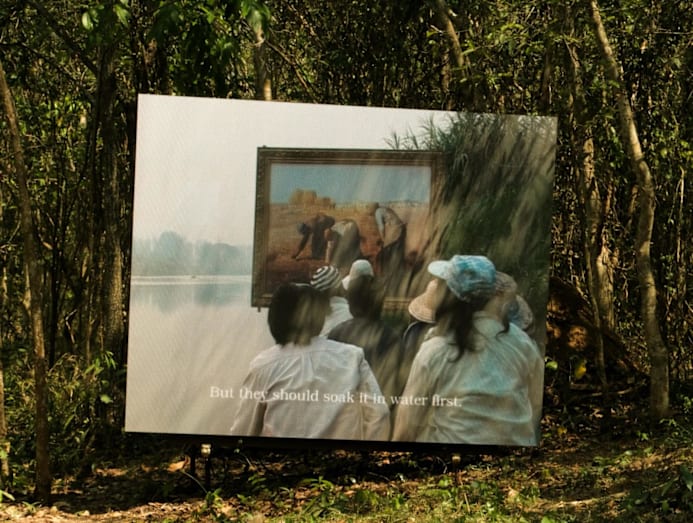
At one stop, we press an ear against a tree trunk and feel it hum faintly. Elsewhere, in a video installation by Thai artist Araya Rasdjarmrearnsook, farmers and villagers react to reproductions of iconic Western paintings, their candid reactions quietly probing questions of perception and cultural distance.
Berlin-based duo Elmgreen & Dragset’s K-Bar emerges from the forest like a mirage: a charcoal-grey pavilion reached by a path through wild grass, glowing faintly in the dark.
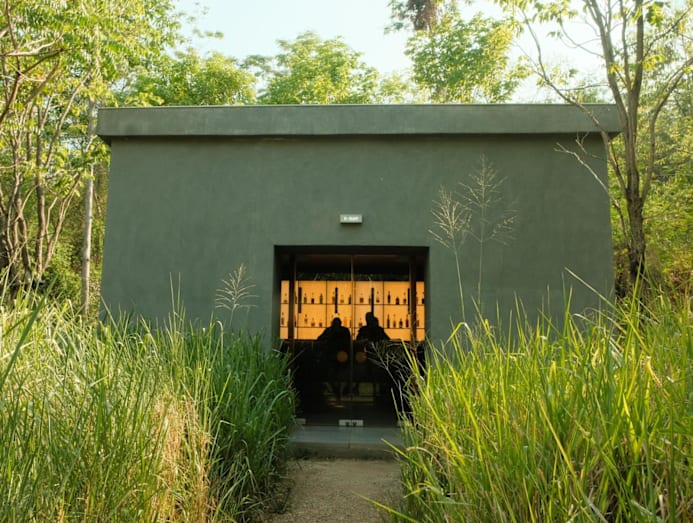
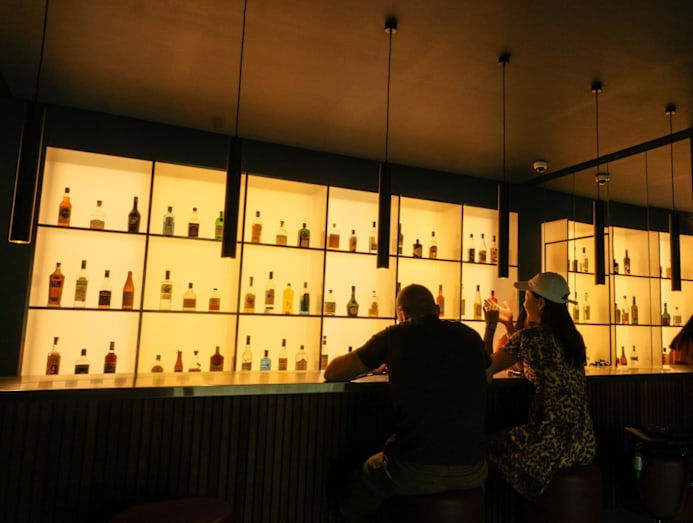
Open only once a month and seating only six guests, it pays homage to German artist Martin Kippenberger and his well-known relationship with alcohol. A classic city bar within the forest, it feels deliberately absurd.
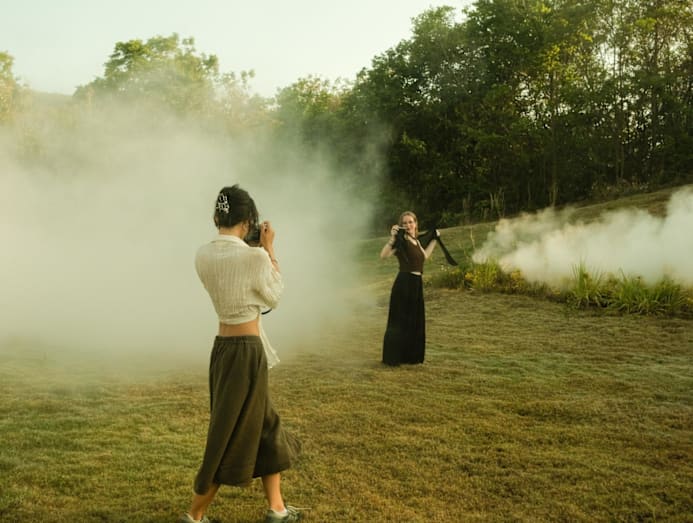
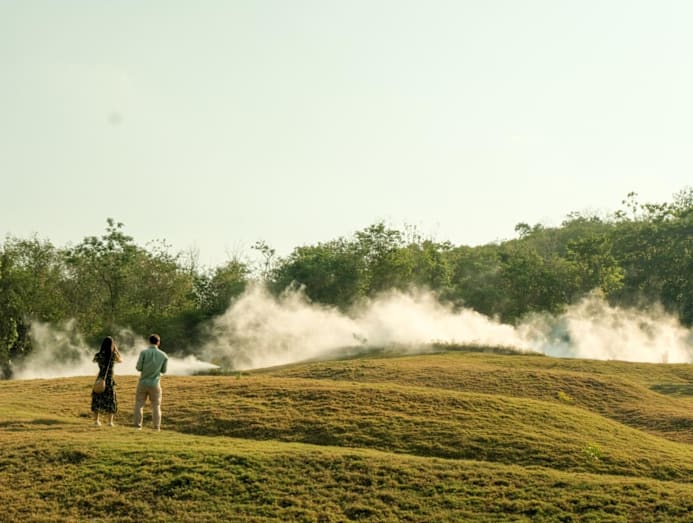
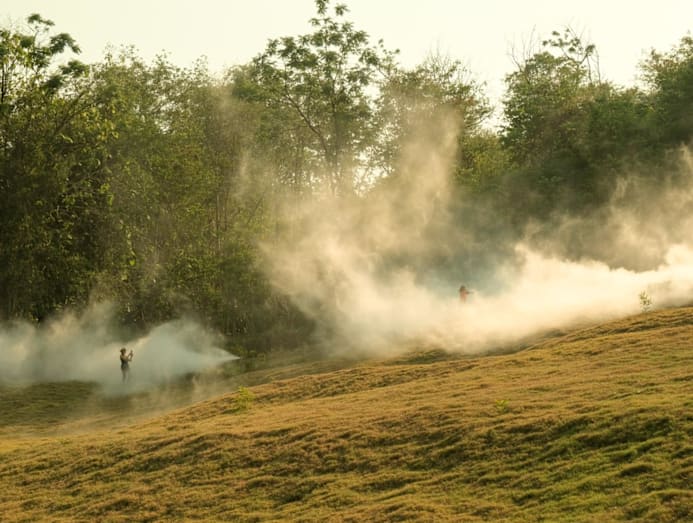
Further on, we encounter Fujiko Nakaya’s fog installation: timed bursts of thick artificial mist that drift and reform around us, turning the hillside into a dreamlike world.
NEW WATERING HOLES
Just north of central Bangkok, Saphan Khwai is gentrifying quickly, but it still holds a gritty edge. Rundown motels and local eateries sit alongside new cafés and bars that have sprung up. One of them is Perfect Strangers, a bar in an industrial grey building on Pradiphat Soi 14. Exposed concrete, pillars and stripped-back furnishings keep it clean and unpretentious.
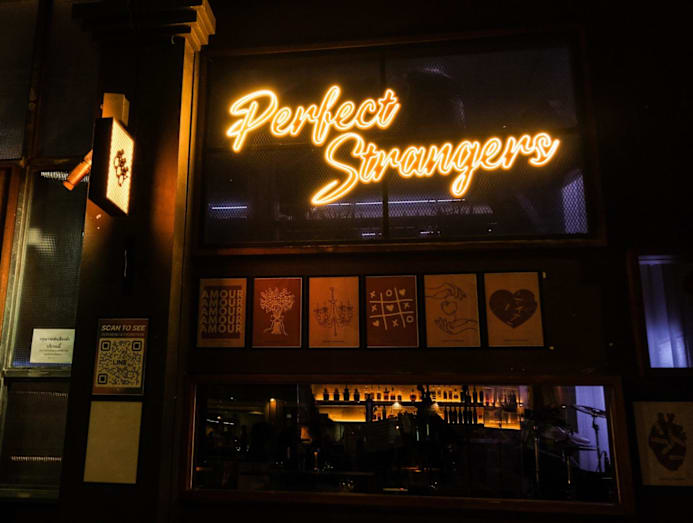
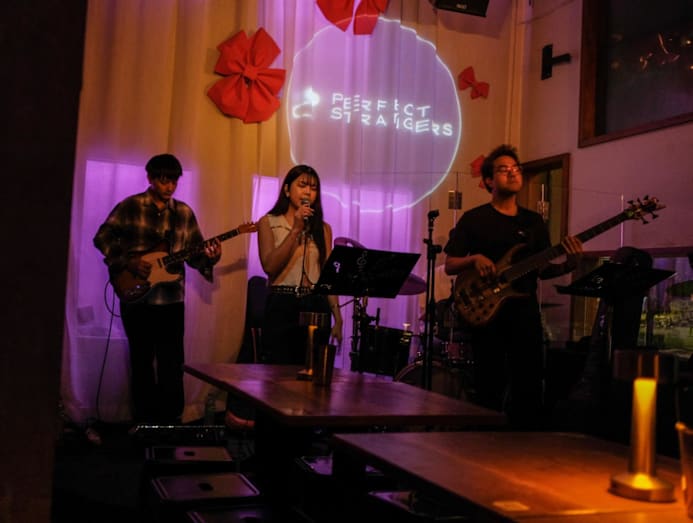
With an extensive food and cocktail menu, it has quickly become a raucous spot for live music, mostly jazz and pop, and I end the night on its Landing in the Lavender cocktail, a gin-based drink with lychee, lavender tea, osmanthus syrup, bitters and egg white, soft floral and slightly perfumed.
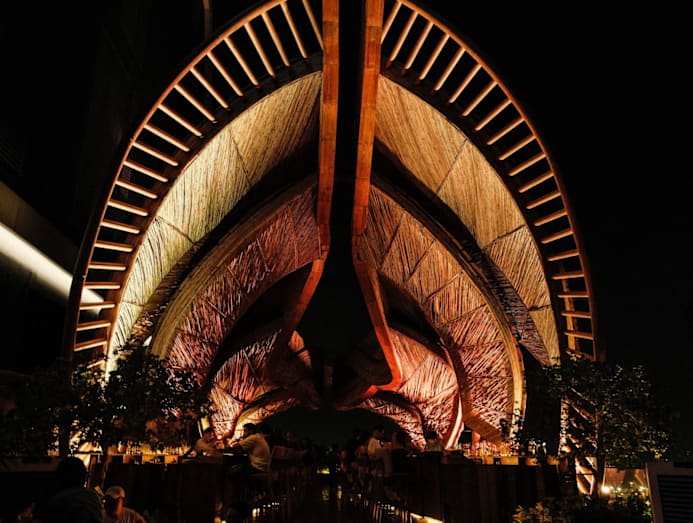
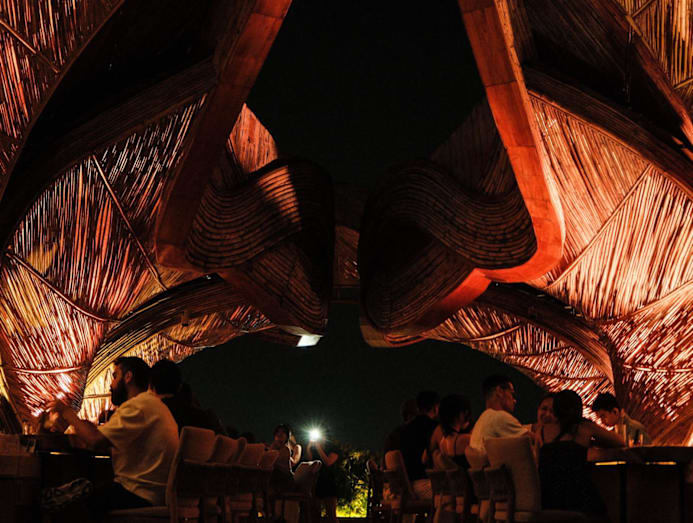
Sanctuary Bangkok sits on the 34th floor in Sukhumvit, and the wind up there is real. Opened last March, it won Global No 1 Alfresco & Biophilic Design at the 2025 Restaurants & Bars Design Awards. Afro beats pulse as a bartender shakes up a river prawn butter cocktail.
Then Songkran arrives, and the city turns into a giant, joyful mess. Shoulder-to-shoulder crowds, foam, dance music, people stripped down and gleefully toting enormous water guns. Streets become battle zones; even malls turn into party arenas with water slides and blasting speakers. No one is spared from the water warfare.
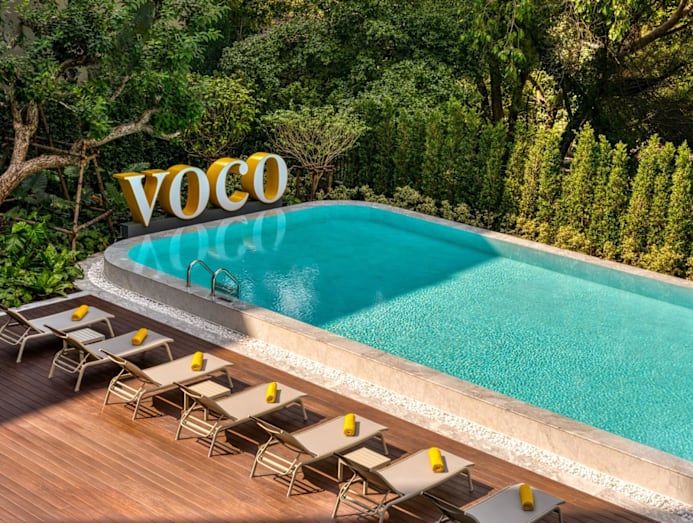
Back at Voco, the staff have shed their uniforms entirely, now kitted in Hawaiian prints. At the pool party, with a live DJ spinning tracks, I spot them gathering in a circle to bust out some dance moves. When I say I want to chill for the evening, a media personality berates me jokingly: “Come on, this is not the time to chill. This is the biggest party in Asia. You can’t miss it.”
Bangkok keeps doing what Bangkok does: throwing a party, and not waiting for you to catch up.
CNA Lifestyle was in Bangkok at the invitation of Voco Bangkok Surawong, which is currently offering a "Bangkok Easy Escape" package until Jul 31. For more details, visit www.vocohotels.com