I tell my son he is perfect as he is – so what does he see when he looks at my bleached-blonde hair and makeup?
At her son’s primary school, children are taught to be proud of who they are. Sitting in a parents’ briefing with her bleached-blonde hair and light makeup, this mother began to question that message – and the gap between what parents teach their children about self-acceptance and what their actions reveal.
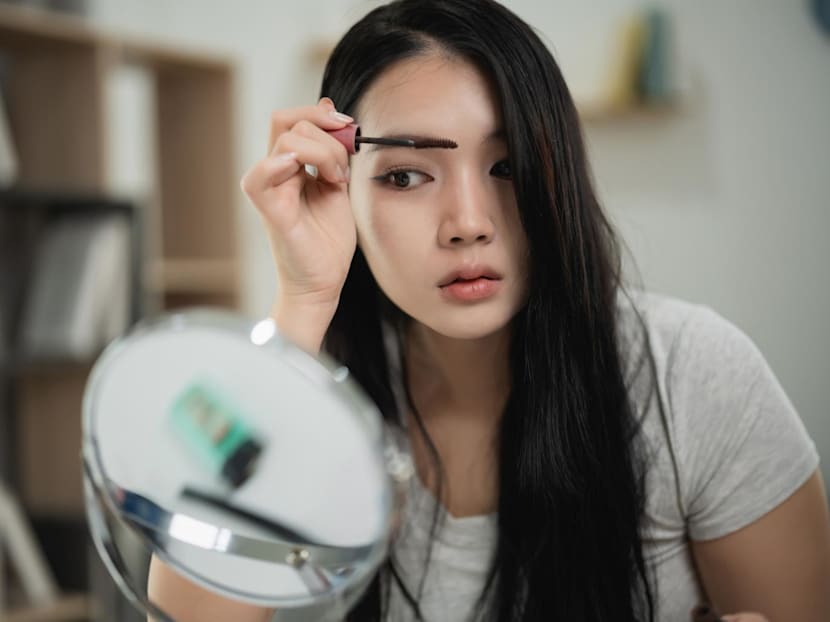
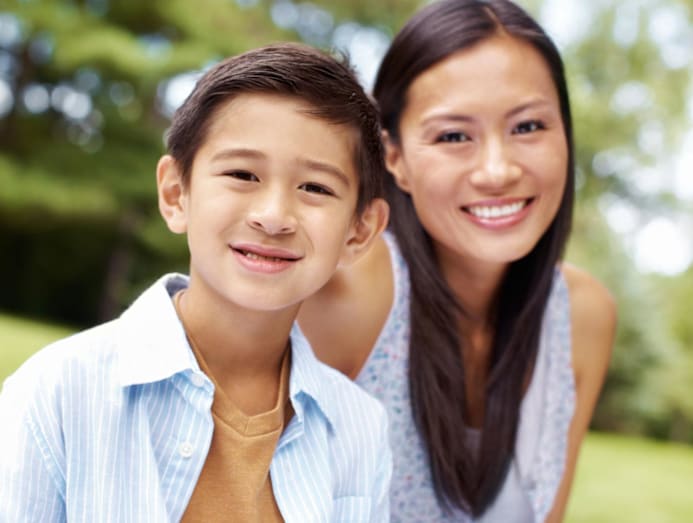
As parents, we say one thing then do another when it comes to appearance and self-acceptance – and children absorb this contradiction, the writer says. (Photo: iStock/wombatzaa)

This audio is generated by an AI tool.


Every year, at the parents’ briefing at my son’s primary school, I hear the same reminder.
Students must stick to certain hairstyles, and coloured hair isn’t allowed. The idea behind this is good: children should learn to feel comfortable in their own skin and be proud of who they are.
The parents around me nod in agreement. I do too, even though I have had bleached-blonde hair for about 10 years.
It started as an experiment back when I was a magazine beauty editor, but I ended up loving it, especially since my white roots blended in better with blonde hair than with black.
Each year, I find myself feeling self-conscious. I glance around the school hall, looking for other parents with coloured hair to prove I’m not the only one. There are usually a handful. But I am always the only blonde.
In those moments, I wonder what my son thinks about the difference between what he’s taught and what he sees in me.
Sometimes, I think about bringing it up myself: “School says you can’t colour your hair, but Mummy’s blonde. Do you want to know why?”
But I tell myself there’s time to explain it properly later – once I’ve figured out how to explain it to myself first.
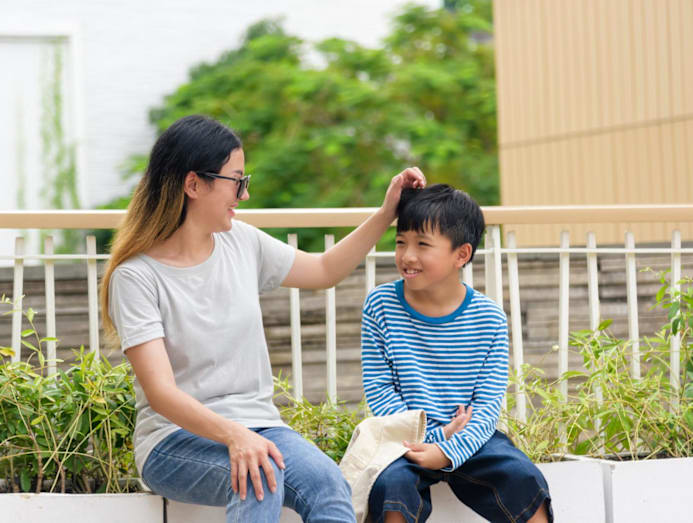
I didn’t have to wait for long. A few weeks later, on a busy weekend morning, I was getting ready while he waited nearby. He watched me for a while before saying: “Mummy, you should be proud of yourself. You don’t need makeup.”
I paused. It was sweet, and just the kind of thing you hope your child believes – that they don’t need to change themselves to be accepted.
But I knew right away that the words weren’t fully his. He was repeating something he’d been taught, saying it with the certainty that only kids have.
And that left me with the question: was he right?
THE COMPLICATED TRUTH ABOUT MAKEUP
I wear makeup not because I feel insecure or because I love the art of it, though I respect women who find joy in self-expression that way. For me, it’s just practical.
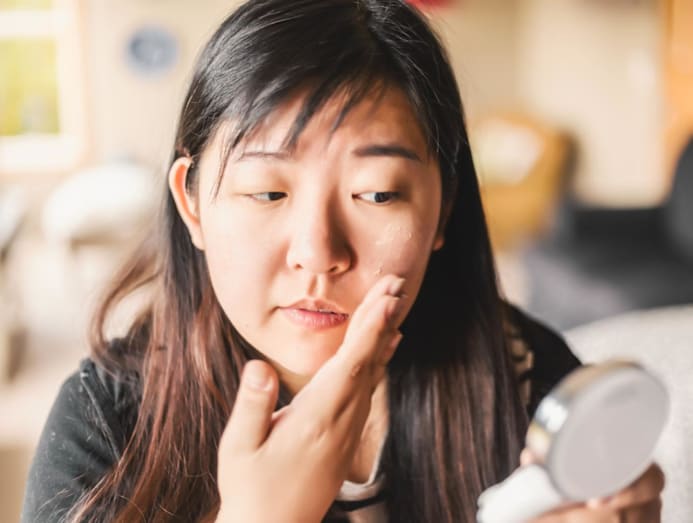
I have eczema that leaves my face blotchy and pink, with light patches between my brows, on my cheeks and chin, and random red spots that appear as the day goes on. My eyebrows are also sparse, so I need powder to fill them in.
I keep it simple: tinted moisturiser or foundation depending on how red my skin is, and some brow powder. At 44, I’m comfortable enough in my own skin to go makeup-free – but I’m not always comfortable with the extra attention that comes with it.
That subtle contradiction – caring about how I look without needing to perform – feels like part of getting older. And it’s probably what my son picked up on.
THE CONTRADICTIONS PARENTS NAVIGATE
His comment stung because of the double standards I carry.
I colour my hair. I wear makeup to hide things I don’t want others to see. But if my son ever came home feeling embarrassed about how he looks or wanting to change something, I would tell him that he’s perfect just as he is.
I see this in other people, too. For example, I have a friend who was upset when her son bleached his hair blonde after his O-Levels, until her sister reminded her that she had blue hair at the same age.

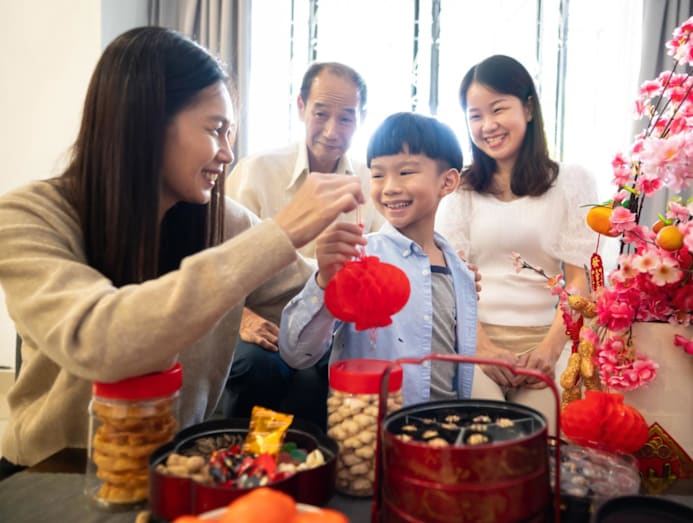
Good intentions can get complicated. We tell kids not to comment on other people’s bodies, not to shame or compare. Then Chinese New Year arrives. The bottles of pineapple tarts are open. We say to them: go ahead, just don’t overdo it.
Then, a little later, we notice their clothes fitting differently, and concern slips out before we can catch it.
Then, there are the comments we make without thinking. I’ve caught myself remarking on a child’s weight out of concern, not criticism. I was a fat child myself, so I know how cruel people can be. But I also understand the health risks that come with carrying extra weight.
But intention doesn’t erase effect.
My son was listening. However well-meaning my motives, what he heard was his mother looking at another child’s body and deciding something was wrong with it.
We know that accepting yourself and choosing how you look aren’t the same. Deciding how you present yourself is about having control, while feeling ashamed is about discomfort.
We don’t always have the words to explain the difference. I know I don’t.
Children absorb these ideas in the simplest way and haven’t learned to bridge the gap between words and actions. They believe what we say, and then they watch what we do.
This is one of the subtle ways we pass our own unresolved feelings about appearance to our children.
It’s in what we grab before leaving the house, what we avoid in photos, and what we call maintenance, self-care, or just habit, often without much thought.
We want our children to love themselves. But sometimes, without realising it, we also show them what we think is worth loving and what we prefer to hide.
WHAT IT MEANS TO BE COMFORTABLE IN YOUR OWN SKIN
I’ve been wondering what it really means to be “comfortable in your own skin”. Does it mean never changing anything about yourself? That seems too strict and doesn’t fit with the reality of living in a body that ages, changes, and needs care.
Or maybe it’s more about feeling at ease – having the freedom to decide how you want to look without shame or feeling like you’re fixing something broken, whether you dress up, keep it simple, or do nothing at all.
Maybe it’s about knowing why you make the changes and being honest about it.
Most days now, my son doesn’t say anything when I apply makeup. It’s just part of our routine, as normal as packing his school bag. But sometimes, he still asks: “Why cover the redness? Why blonde hair? Why draw in your brows?”
I have the practical reasons on-hand – the eczema, the roots, the brows. But he deserves more than just practical reasons.
“Why do you care what others think?” he asks. “Don’t care about them.” One day, he’ll feel that pressure too, but not yet.
So, I tell him honestly: I’m still working out how to explain this properly, and when I do, I’ll tell you.
I also just want to have fun with how I look, like the elderly aunties who colour their white hair pastel purple. I plan to do that too, when my hair turns completely white. But I understand his point.
I’ve stopped pretending the contradiction doesn’t exist.
The truth is, adulthood rarely offers the kind of clean, uncomplicated principles we try to instil in our children. We learn to balance practicality, self-expression, insecurity, confidence, ageing, health, social expectations and personal choice – often all at once.
Maybe it’s not about leaving yourself untouched but understanding why you make the choices you do and examining the reasons behind them.
I still don’t have a perfect explanation for my son. Perhaps I never will.
But I think there is value in letting him see that adults are still figuring themselves out too.
CNA Women is a section on CNA Lifestyle that seeks to inform, empower and inspire the modern woman. If you have women-related news, issues and ideas to share with us, email CNAWomen [at] mediacorp.com.sg.